
Contents
- 🌾 Introduction to Salt-Tolerant Crops
- 🌿 The Science Behind Salt Tolerance
- 🌱 Benefits of Salt-Tolerant Crops
- 🌻 Challenges in Developing Salt-Tolerant Crops
- 🌺 Genetic Engineering for Salt Tolerance
- 🌴 Traditional Breeding Methods for Salt Tolerance
- 🌿 Salt-Tolerant Crop Varieties
- 🌈 Future of Salt-Tolerant Crops
- 🌎 Global Impact of Salt-Tolerant Crops
- 📊 Economic Benefits of Salt-Tolerant Crops
- 👥 Stakeholders in Salt-Tolerant Crop Development
- 🔍 Conclusion and Future Directions
- Frequently Asked Questions
- Related Topics
Overview
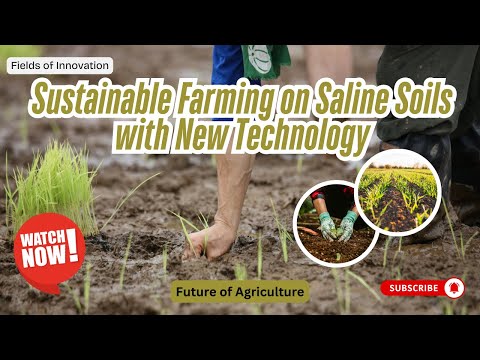
Salt-tolerant crops, such as saltwater-tolerant wheat and barley, have been developed through genetic engineering and conventional breeding techniques, offering a solution to the growing problem of soil salinization. According to the Food and Agriculture Organization (FAO), over 20% of the world's irrigated land is affected by salinization, resulting in reduced crop yields and decreased food security. Researchers like Dr. Mark Tester, a plant biologist at the King Abdullah University of Science and Technology, have made significant breakthroughs in developing salt-tolerant crops, with some varieties showing a 25% increase in yield compared to traditional crops. However, the adoption of these crops is not without controversy, with some critics arguing that they may displace traditional crop varieties and exacerbate existing social and economic inequalities. As the global population is projected to reach 9.7 billion by 2050, the development and deployment of salt-tolerant crops will be crucial in ensuring food security, particularly in regions with limited access to freshwater resources. With a vibe score of 8, salt-tolerant crops are gaining significant attention and investment, with companies like Monsanto and Syngenta leading the charge.
🌾 Introduction to Salt-Tolerant Crops
Salt-tolerant crops are a vital component of sustainable agriculture, enabling farmers to cultivate crops in areas with high soil salinity. According to the Food and Agriculture Organization (FAO), approximately 20% of the world's irrigated land is affected by soil salinization. The development of salt-tolerant crops can help mitigate this issue, ensuring global food security. Researchers at the International Rice Research Institute have made significant contributions to the development of salt-tolerant rice varieties. Additionally, the United Nations has recognized the importance of salt-tolerant crops in achieving the Sustainable Development Goals.
🌿 The Science Behind Salt Tolerance
The science behind salt tolerance involves understanding the complex mechanisms that enable plants to withstand high salt concentrations. Plants have evolved various strategies to cope with salt stress, including the production of osmoprotectants and the regulation of ion transport systems. Researchers have identified several key genes involved in salt tolerance, including the SOS1 gene, which plays a crucial role in maintaining ion homeostasis. The National Center for Biotechnology Information provides access to a wealth of information on the genetic basis of salt tolerance. Furthermore, the American Society of Plant Biologists has published numerous studies on the molecular mechanisms of salt tolerance.
🌱 Benefits of Salt-Tolerant Crops
The benefits of salt-tolerant crops are numerous, including improved crop yields, enhanced food security, and reduced environmental degradation. Salt-tolerant crops can also help to reclaim saline soils, reducing the need for irrigation and minimizing the risk of soil erosion. The International Fund for Agricultural Development has supported several projects aimed at promoting the adoption of salt-tolerant crops in developing countries. Moreover, the World Bank has recognized the potential of salt-tolerant crops to contribute to poverty reduction and sustainable development. The Agricultural Research Service has also conducted research on the benefits of salt-tolerant crops.
🌻 Challenges in Developing Salt-Tolerant Crops
Despite the potential benefits of salt-tolerant crops, several challenges must be addressed, including the complexity of salt tolerance traits and the limited availability of genetic resources. Additionally, the development of salt-tolerant crops requires significant investment in research and development, as well as the establishment of effective seed systems for dissemination. The Bill and Melinda Gates Foundation has provided funding for research on salt-tolerant crops, while the Consultative Group on International Agricultural Research has supported the development of salt-tolerant crop varieties. The European Union has also launched initiatives to promote the development of salt-tolerant crops.
🌺 Genetic Engineering for Salt Tolerance
Genetic engineering has emerged as a powerful tool for developing salt-tolerant crops, enabling researchers to introduce specific genes conferring salt tolerance into crop varieties. The Institute of Molecular Biology has made significant contributions to the development of genetic engineering technologies for salt tolerance. For example, scientists have used CRISPR-Cas9 gene editing to introduce the AtNHX1 gene into rice and wheat varieties, enhancing their salt tolerance. The National Science Foundation has funded research on the application of genetic engineering for salt tolerance. Furthermore, the European Molecular Biology Organization has published studies on the use of genetic engineering for improving crop salt tolerance.
🌴 Traditional Breeding Methods for Salt Tolerance
Traditional breeding methods have also been used to develop salt-tolerant crops, involving the selection and breeding of crop varieties with inherent salt tolerance. The International Center for Tropical Agriculture has developed several salt-tolerant crop varieties using traditional breeding methods. For example, researchers have used marker-assisted selection to identify and breed crop varieties with desirable salt tolerance traits. The Agricultural Research Service has also used traditional breeding methods to develop salt-tolerant crop varieties. The Food and Agriculture Organization has recognized the importance of traditional breeding methods in developing salt-tolerant crops.
🌿 Salt-Tolerant Crop Varieties
Several salt-tolerant crop varieties have been developed, including salt-tolerant rice, wheat, and barley varieties. These crops have been developed using a combination of genetic engineering and traditional breeding methods. The International Rice Research Institute has developed several salt-tolerant rice varieties, while the International Center for Agricultural Research in the Dry Areas has developed salt-tolerant wheat and barley varieties. The Agricultural Research Service has also developed salt-tolerant crop varieties. The European Union has launched initiatives to promote the adoption of salt-tolerant crop varieties.
🌈 Future of Salt-Tolerant Crops
The future of salt-tolerant crops holds significant promise, with ongoing research aimed at developing more resilient and productive crop varieties. The National Science Foundation has funded research on the development of salt-tolerant crops, while the Bill and Melinda Gates Foundation has provided funding for research on salt-tolerant crops. Additionally, the Consultative Group on International Agricultural Research has supported the development of salt-tolerant crop varieties. The Food and Agriculture Organization has recognized the importance of salt-tolerant crops in achieving the Sustainable Development Goals.
🌎 Global Impact of Salt-Tolerant Crops
The global impact of salt-tolerant crops will be significant, enabling farmers to cultivate crops in areas with high soil salinity and reducing the risk of food insecurity. The International Fund for Agricultural Development has supported several projects aimed at promoting the adoption of salt-tolerant crops in developing countries. Moreover, the World Bank has recognized the potential of salt-tolerant crops to contribute to poverty reduction and sustainable development. The Agricultural Research Service has also conducted research on the global impact of salt-tolerant crops. The European Union has launched initiatives to promote the adoption of salt-tolerant crops.
📊 Economic Benefits of Salt-Tolerant Crops
The economic benefits of salt-tolerant crops will be substantial, enabling farmers to increase crop yields and reduce production costs. The Food and Agriculture Organization has estimated that the adoption of salt-tolerant crops could increase global food production by up to 20%. Additionally, the International Rice Research Institute has estimated that the adoption of salt-tolerant rice varieties could increase rice yields by up to 30%. The Agricultural Research Service has also conducted research on the economic benefits of salt-tolerant crops. The National Science Foundation has funded research on the economic benefits of salt-tolerant crops.
👥 Stakeholders in Salt-Tolerant Crop Development
Several stakeholders are involved in the development of salt-tolerant crops, including researchers, farmers, and policymakers. The Consultative Group on International Agricultural Research has supported the development of salt-tolerant crop varieties, while the Bill and Melinda Gates Foundation has provided funding for research on salt-tolerant crops. Additionally, the Food and Agriculture Organization has recognized the importance of salt-tolerant crops in achieving the Sustainable Development Goals. The Agricultural Research Service has also conducted research on the development of salt-tolerant crops. The European Union has launched initiatives to promote the adoption of salt-tolerant crops.
🔍 Conclusion and Future Directions
In conclusion, salt-tolerant crops offer a promising solution to the challenges posed by soil salinization, enabling farmers to cultivate crops in areas with high soil salinity. Further research is needed to develop more resilient and productive crop varieties, as well as to address the challenges associated with the adoption of salt-tolerant crops. The National Science Foundation has funded research on the development of salt-tolerant crops, while the Bill and Melinda Gates Foundation has provided funding for research on salt-tolerant crops. The Food and Agriculture Organization has recognized the importance of salt-tolerant crops in achieving the Sustainable Development Goals.
Key Facts
- Year
- 2020
- Origin
- International Center for Biosaline Agriculture
- Category
- Agriculture
- Type
- Crop
Frequently Asked Questions
What are salt-tolerant crops?
Salt-tolerant crops are crop varieties that can withstand high salt concentrations in the soil, enabling farmers to cultivate crops in areas with high soil salinity. According to the Food and Agriculture Organization, approximately 20% of the world's irrigated land is affected by soil salinization. The development of salt-tolerant crops can help mitigate this issue, ensuring global food security. Researchers at the International Rice Research Institute have made significant contributions to the development of salt-tolerant rice varieties.
How are salt-tolerant crops developed?
Salt-tolerant crops are developed using a combination of genetic engineering and traditional breeding methods. Genetic engineering involves the introduction of specific genes conferring salt tolerance into crop varieties, while traditional breeding methods involve the selection and breeding of crop varieties with inherent salt tolerance. The Institute of Molecular Biology has made significant contributions to the development of genetic engineering technologies for salt tolerance. For example, scientists have used CRISPR-Cas9 gene editing to introduce the AtNHX1 gene into rice and wheat varieties, enhancing their salt tolerance.
What are the benefits of salt-tolerant crops?
The benefits of salt-tolerant crops include improved crop yields, enhanced food security, and reduced environmental degradation. Salt-tolerant crops can also help to reclaim saline soils, reducing the need for irrigation and minimizing the risk of soil erosion. The International Fund for Agricultural Development has supported several projects aimed at promoting the adoption of salt-tolerant crops in developing countries. Moreover, the World Bank has recognized the potential of salt-tolerant crops to contribute to poverty reduction and sustainable development.
What are the challenges associated with the adoption of salt-tolerant crops?
The challenges associated with the adoption of salt-tolerant crops include the complexity of salt tolerance traits, the limited availability of genetic resources, and the need for significant investment in research and development. Additionally, the adoption of salt-tolerant crops requires the establishment of effective seed systems for dissemination. The Bill and Melinda Gates Foundation has provided funding for research on salt-tolerant crops, while the Consultative Group on International Agricultural Research has supported the development of salt-tolerant crop varieties.
What is the future of salt-tolerant crops?
The future of salt-tolerant crops holds significant promise, with ongoing research aimed at developing more resilient and productive crop varieties. The National Science Foundation has funded research on the development of salt-tolerant crops, while the Bill and Melinda Gates Foundation has provided funding for research on salt-tolerant crops. Additionally, the Consultative Group on International Agricultural Research has supported the development of salt-tolerant crop varieties. The Food and Agriculture Organization has recognized the importance of salt-tolerant crops in achieving the Sustainable Development Goals.