
Contents
- 🌿 Introduction to Salads
- 🍴 History of Salads
- 🌸 Types of Salads
- 🍲 Salad Dressings and Condiments
- 🥗 Ingredients and Nutrition
- 🌍 Cultural Significance of Salads
- 🍴 Salad Preparation and Presentation
- 🤝 Salads in Modern Cuisine
- 🌟 Celebrity Chefs and Salads
- 📊 Economic Impact of the Salad Industry
- 🌎 Global Salad Trends
- 👨🍳 Future of Salads
- Frequently Asked Questions
- Related Topics
Overview
The concept of salad has been around for thousands of years, with ancient civilizations such as the Romans and Greeks consuming dishes made from mixed greens, vegetables, and fruits. The modern salad as we know it today, however, is a relatively recent development, with the first recorded salad recipe dating back to 16th-century France. Since then, salad has become a staple in many cuisines around the world, with various cultures adding their own unique twists and ingredients. According to food historian, Andrew F. Smith, the average American consumes over 20 pounds of salad per year, with the salad industry generating over $10 billion in revenue annually. Despite its popularity, the concept of salad is not without controversy, with debates surrounding the use of genetically modified organisms (GMOs) and the environmental impact of large-scale salad production. As the world becomes increasingly health-conscious, the future of salad looks bright, with many restaurants and food companies incorporating sustainable and locally sourced ingredients into their salad offerings.
🌿 Introduction to Salads
Salads have been a staple in many cuisines around the world, with a rich history dating back to ancient times. The word 'salad' is derived from the Latin word 'salare,' meaning 'to salt,' which was a common method of preserving vegetables. Today, salads are a popular dish in many restaurants and homes, with endless variations and combinations of ingredients. For more information on the history of salads, visit the History of Food page. Salads can be served as a side dish, a main course, or even as a dessert, as seen in the Fruit Salad recipe. The versatility of salads has made them a favorite among chefs and home cooks alike, with many experimenting with new ingredients and techniques, such as those found in Molecular Gastronomy.
🍴 History of Salads
The history of salads is a long and varied one, with evidence of salad-like dishes dating back to ancient Rome and Greece. The Roman naturalist Pliny the Elder wrote about a dish called 'moretum,' which was a mixture of herbs, cheese, and bread. Similarly, the Greek physician Hippocrates wrote about a dish called 'kykeon,' which was a mixture of barley, herbs, and vegetables. For more information on ancient Roman cuisine, visit the Ancient Roman Cuisine page. These early salads were often simple mixtures of ingredients, but they laid the foundation for the complex and varied salads we enjoy today. Salads have also played a significant role in many cultural and social movements, including the Vegetarian Movement.
🌸 Types of Salads
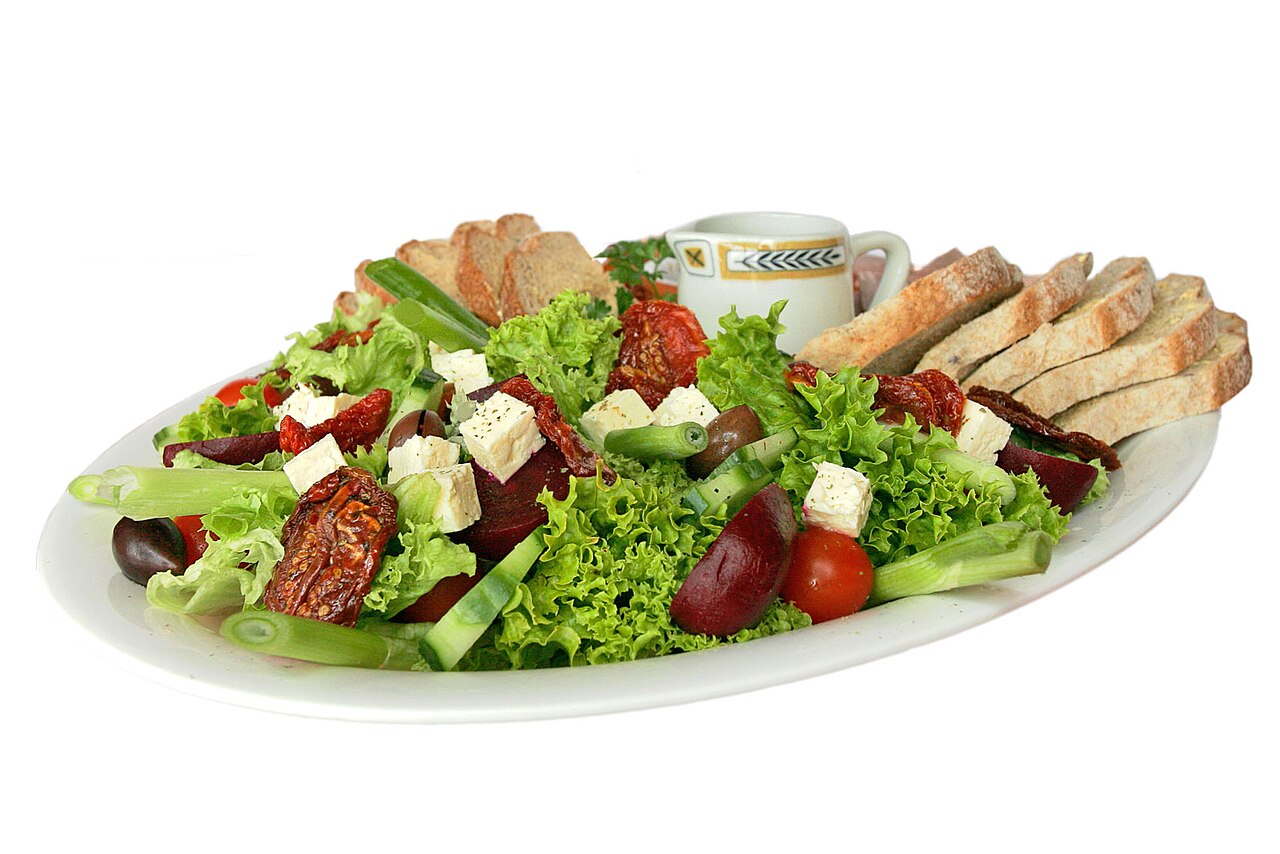
There are many different types of salads, each with its own unique ingredients and flavor profile. Some popular types of salads include Garden Salads, Caesar Salads, and Greek Salads. These salads often feature a combination of fresh vegetables, fruits, and proteins, such as chicken or tofu, and are typically topped with a salad dressing or condiment. For more information on salad dressings, visit the Salad Dressing page. Other types of salads, such as Quinoa Salads and Kale Salads, have become popular in recent years due to their nutritional benefits and versatility. Salads can also be tailored to specific dietary needs, such as Gluten-Free or Vegan diets.
🍲 Salad Dressings and Condiments
Salad dressings and condiments are an essential part of many salads, adding flavor and texture to the dish. There are many different types of salad dressings, including Vinaigrette, Ranch Dressing, and Thousand Island Dressing. These dressings can be made from a variety of ingredients, such as oil, vinegar, and herbs, and can be tailored to suit individual tastes. For more information on condiments, visit the Condiment page. In addition to salad dressings, other condiments such as Hot Sauce and Salsa can add flavor and heat to salads. Salads can also be topped with a variety of ingredients, such as nuts, seeds, and cheese, to add texture and flavor.
🥗 Ingredients and Nutrition
The ingredients used in salads can vary greatly, depending on the type of salad and the desired flavor profile. Fresh vegetables, such as Lettuce and Tomatoes, are a staple in many salads, and can be combined with a variety of other ingredients, such as proteins, fruits, and nuts. For more information on nutrition, visit the Nutrition page. Salads can also be a healthy and nutritious option, with many ingredients providing essential vitamins and minerals. However, some salads can be high in calories and fat, particularly those with rich dressings and toppings. To make a healthy salad, it's essential to choose ingredients wisely and use moderation when it comes to dressings and toppings, as seen in the Healthy Eating guide.
🌍 Cultural Significance of Salads
Salads have played a significant role in many cultures and societies, with different types of salads being popular in various parts of the world. In the United States, salads such as the Cob Salad and the Wedge Salad are popular, while in Europe, salads such as the Greek Salad and the Caprese Salad are well-known. For more information on cultural cuisine, visit the Cultural Cuisine page. Salads have also been influenced by various social and cultural movements, such as the Slow Food Movement and the Farm-to-Table Movement. These movements have emphasized the importance of using fresh, locally sourced ingredients and supporting local farmers and food producers.
🍴 Salad Preparation and Presentation
The preparation and presentation of salads can vary greatly, depending on the type of salad and the desired outcome. Some salads, such as Green Salads, are simple to prepare and can be made in a matter of minutes. For more information on food preparation, visit the Food Preparation page. Other salads, such as Composed Salads, require more time and effort, as they involve arranging ingredients in a specific way to create a visually appealing dish. Salads can also be served in a variety of settings, from casual gatherings to formal events, and can be tailored to suit individual tastes and preferences. To learn more about food presentation, visit the Food Presentation page.
🤝 Salads in Modern Cuisine
In modern cuisine, salads have become a staple in many restaurants and homes, with chefs and home cooks alike experimenting with new ingredients and techniques. For more information on modern cuisine, visit the Modern Cuisine page. Salads can be used as a vehicle for creativity and self-expression, with many chefs using salads as a way to showcase their skills and artistry. Salads have also become a popular option for health-conscious individuals, with many restaurants and food establishments offering healthy and nutritious salad options. To learn more about healthy eating, visit the Healthy Eating guide. Additionally, salads have been influenced by various social and cultural movements, such as the Food Truck Movement and the Street Food Movement.
🌟 Celebrity Chefs and Salads
Celebrity chefs have played a significant role in popularizing salads and making them a staple in modern cuisine. Chefs such as Jamie Oliver and Gordon Ramsay have featured salads prominently in their restaurants and cookbooks, and have helped to raise awareness about the importance of using fresh, locally sourced ingredients. For more information on celebrity chefs, visit the Celebrity Chef page. Other chefs, such as Alice Waters and Thomas Keller, have been instrumental in promoting the use of salads as a way to showcase seasonal and local ingredients. To learn more about seasonal ingredients, visit the Seasonal Ingredients page.
📊 Economic Impact of the Salad Industry
The salad industry has become a significant sector of the food industry, with many companies and establishments specializing in salads and salad-related products. For more information on the food industry, visit the Food Industry page. The economic impact of the salad industry is substantial, with many jobs and businesses relying on the production and sale of salads. Salads have also become a popular option for food service providers, such as restaurants and cafes, with many establishments offering a variety of salad options to their customers. To learn more about food service, visit the Food Service page.
🌎 Global Salad Trends
Global salad trends have become increasingly popular in recent years, with many countries and cultures adopting and adapting salad recipes to suit their own tastes and preferences. For more information on global cuisine, visit the Global Cuisine page. Salads have become a staple in many international cuisines, with dishes such as the Korean Kimchi Salad and the Japanese Wakame Salad gaining popularity worldwide. Salads have also been influenced by various social and cultural movements, such as the Sustainable Food Movement and the Local Food Movement.
👨🍳 Future of Salads
The future of salads is likely to be shaped by a variety of factors, including changing consumer preferences, advances in technology, and the growing demand for sustainable and healthy food options. For more information on food trends, visit the Food Trends page. Salads are likely to continue to play a significant role in modern cuisine, with many chefs and home cooks experimenting with new ingredients and techniques to create innovative and delicious salad dishes. To learn more about culinary innovation, visit the Culinary Innovation page. As the demand for healthy and sustainable food options continues to grow, salads are likely to become an even more popular option for health-conscious individuals and environmentally aware consumers.
Key Facts
- Year
- 2023
- Origin
- Ancient Rome
- Category
- Food and Culture
- Type
- Food
Frequently Asked Questions
What is the origin of the word 'salad'?
The word 'salad' is derived from the Latin word 'salare,' meaning 'to salt,' which was a common method of preserving vegetables. The word 'salad' has been used in various forms throughout history, with the modern English word 'salad' emerging in the 14th century. For more information on the history of salads, visit the History of Food page. Salads have been a staple in many cuisines around the world, with a rich history dating back to ancient times. The versatility of salads has made them a favorite among chefs and home cooks alike, with many experimenting with new ingredients and techniques.
What are some popular types of salads?
Some popular types of salads include Garden Salads, Caesar Salads, and Greek Salads. These salads often feature a combination of fresh vegetables, fruits, and proteins, such as chicken or tofu, and are typically topped with a salad dressing or condiment. For more information on salad dressings, visit the Salad Dressing page. Other types of salads, such as Quinoa Salads and Kale Salads, have become popular in recent years due to their nutritional benefits and versatility.
What are some common ingredients used in salads?
The ingredients used in salads can vary greatly, depending on the type of salad and the desired flavor profile. Fresh vegetables, such as Lettuce and Tomatoes, are a staple in many salads, and can be combined with a variety of other ingredients, such as proteins, fruits, and nuts. For more information on nutrition, visit the Nutrition page. Salads can also be a healthy and nutritious option, with many ingredients providing essential vitamins and minerals. However, some salads can be high in calories and fat, particularly those with rich dressings and toppings.
How can I make a healthy salad?
To make a healthy salad, it's essential to choose ingredients wisely and use moderation when it comes to dressings and toppings. Fresh vegetables, such as Spinach and Bell Peppers, are a great starting point, and can be combined with lean proteins, such as Chicken or Tofu. For more information on healthy eating, visit the Healthy Eating guide. Healthy salad dressings, such as Vinaigrette or Lemon Juice, can add flavor without adding excess calories. Additionally, nuts and seeds, such as Almonds and Pumpkin Seeds, can provide a crunchy texture and a boost of nutrition.
What is the economic impact of the salad industry?
The salad industry has become a significant sector of the food industry, with many companies and establishments specializing in salads and salad-related products. For more information on the food industry, visit the Food Industry page. The economic impact of the salad industry is substantial, with many jobs and businesses relying on the production and sale of salads. Salads have also become a popular option for food service providers, such as restaurants and cafes, with many establishments offering a variety of salad options to their customers. To learn more about food service, visit the Food Service page.
What are some global salad trends?
Global salad trends have become increasingly popular in recent years, with many countries and cultures adopting and adapting salad recipes to suit their own tastes and preferences. For more information on global cuisine, visit the Global Cuisine page. Salads have become a staple in many international cuisines, with dishes such as the Korean Kimchi Salad and the Japanese Wakame Salad gaining popularity worldwide. Salads have also been influenced by various social and cultural movements, such as the Sustainable Food Movement and the Local Food Movement.
What is the future of salads?
The future of salads is likely to be shaped by a variety of factors, including changing consumer preferences, advances in technology, and the growing demand for sustainable and healthy food options. For more information on food trends, visit the Food Trends page. Salads are likely to continue to play a significant role in modern cuisine, with many chefs and home cooks experimenting with new ingredients and techniques to create innovative and delicious salad dishes. To learn more about culinary innovation, visit the Culinary Innovation page. As the demand for healthy and sustainable food options continues to grow, salads are likely to become an even more popular option for health-conscious individuals and environmentally aware consumers.