
Contents
- 🎵 Origins & History
- ⚙️ How It Works
- 📊 Key Facts & Numbers
- 👥 Key People & Organizations
- 🌍 Cultural Impact & Influence
- ⚡ Current State & Latest Developments
- 🤔 Controversies & Debates
- 🔮 Future Outlook & Predictions
- 💡 Practical Applications
- 📚 Related Topics & Deeper Reading
- Frequently Asked Questions
- References
- Related Topics
Overview
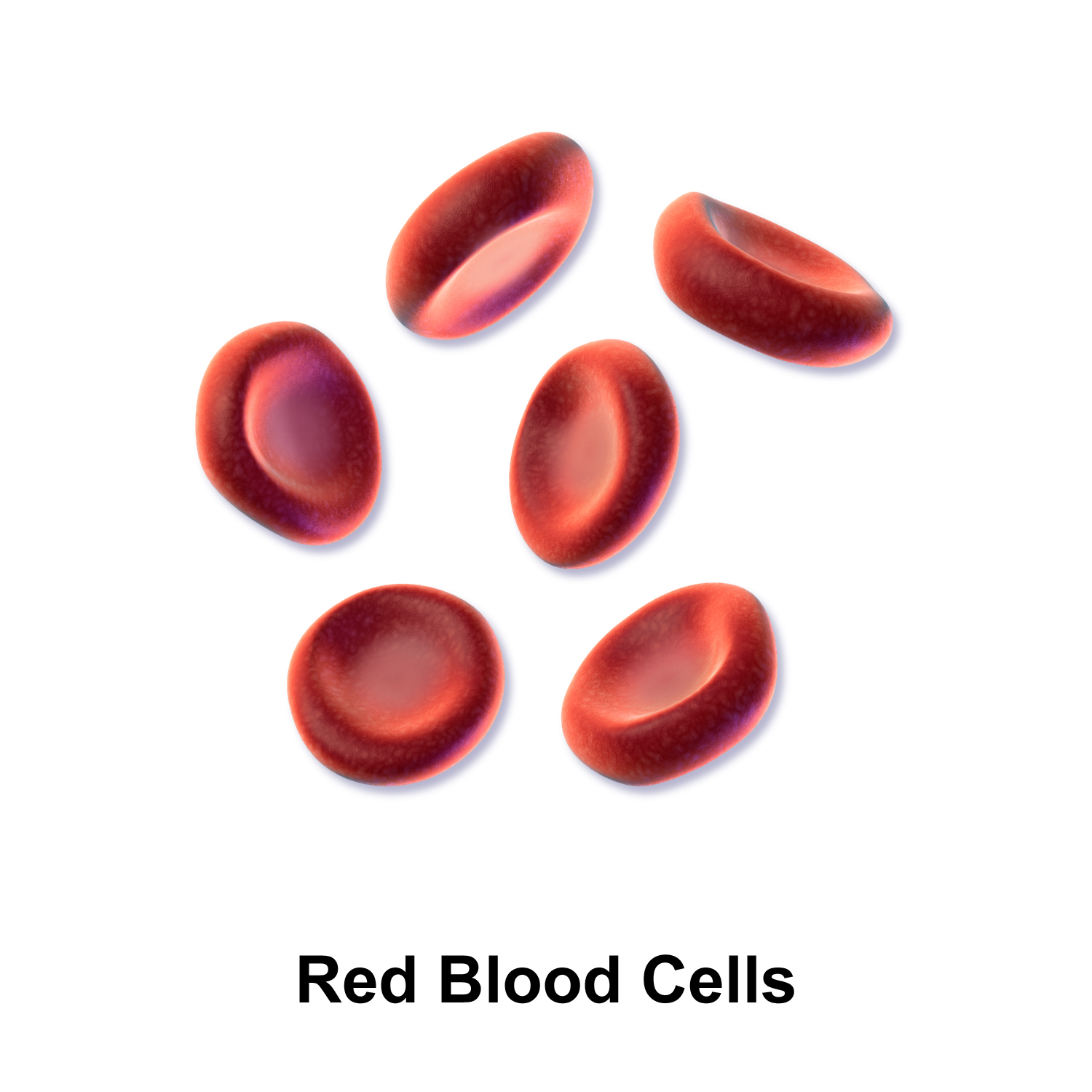
Red blood cells, also known as erythrocytes, are the most common type of blood cell and play a crucial role in delivering oxygen to the body's tissues. With approximately 270 million hemoglobin molecules in each cell, they are responsible for the red color of blood and are essential for maintaining the body's overall health. According to the World Health Organization, red blood cells are vital for transporting oxygen from the lungs to the body's tissues, and their dysfunction can lead to various health issues, including anemia. In the United States, the Centers for Disease Control and Prevention estimates that over 10% of women and 5% of men suffer from anemia, highlighting the importance of maintaining healthy red blood cells. Research by Harvard University has also shown that red blood cells can be affected by various factors, including diet, lifestyle, and environmental factors, making it essential to understand their function and importance.
🎵 Origins & History
The study of red blood cells dates back to the 17th century when Antonie van Leeuwenhoek first observed them using a microscope. Since then, our understanding of red blood cells has evolved significantly, with major contributions from scientists such as Marie Curie and Linus Pauling. Today, researchers at institutions like Stanford University and Massachusetts Institute of Technology continue to advance our knowledge of red blood cells and their role in human health.
⚙️ How It Works
Red blood cells are produced in the bone marrow and have a lifespan of approximately 120 days. They are flexible and can change shape to navigate through narrow blood vessels, delivering oxygen to the body's tissues. The National Institutes of Health estimates that the average adult has approximately 25 trillion red blood cells in their body, with around 200 billion new cells being produced every day. The process of red blood cell production is complex and involves the coordination of multiple cell types, including stem cells and T-cells.
📊 Key Facts & Numbers
Red blood cells are rich in hemoglobin, an iron-containing biomolecule that binds oxygen and gives blood its red color. Each human red blood cell contains approximately 270 million hemoglobin molecules, which are essential for transporting oxygen from the lungs to the body's tissues. According to the American Red Cross, the average person has around 5 liters of blood, with red blood cells making up around 45% of its composition. The Food and Drug Administration regulates the use of blood products, including red blood cells, to ensure their safety and efficacy.
👥 Key People & Organizations
Key people and organizations involved in the study and treatment of red blood cell disorders include the American Society of Hematology and the Leukemia and Lymphoma Society. Researchers at institutions like Johns Hopkins University and University of California, Los Angeles are working to develop new treatments for red blood cell disorders, including gene therapy and stem cell transplantation. The National Cancer Institute also supports research into the causes and treatment of blood-related cancers, such as leukemia.
🌍 Cultural Impact & Influence
Red blood cells have had a significant impact on culture and society, with blood donation and transfusion becoming a crucial part of modern medicine. The Red Cross and other organizations have played a vital role in promoting blood donation and providing blood products to those in need. In popular culture, red blood cells have been referenced in films like The Matrix and Star Trek, highlighting their importance in human health and technology. The World Bank has also recognized the importance of blood donation and transfusion in developing countries, where access to safe blood products can be limited.
⚡ Current State & Latest Developments
Current research on red blood cells is focused on developing new treatments for red blood cell disorders, such as sickle cell disease and thalassemia. Scientists at institutions like Columbia University and University of Pennsylvania are working to develop gene therapies and other innovative treatments to improve the lives of individuals with these conditions. The National Science Foundation supports research into the underlying biology of red blood cells, including their production, function, and regulation. Recent breakthroughs in gene editing technologies, such as CRISPR, have also opened up new possibilities for the treatment of red blood cell disorders.
🤔 Controversies & Debates
Despite their importance, red blood cells are not without controversy. Some people object to blood donation and transfusion on religious or ethical grounds, while others are concerned about the safety and efficacy of blood products. The FDA and other regulatory agencies are working to address these concerns and ensure that blood products are safe and effective. The World Health Organization has also developed guidelines for the safe use of blood products, including red blood cells, to minimize the risk of transfusion-related complications.
🔮 Future Outlook & Predictions
Looking to the future, researchers are exploring new ways to produce and manipulate red blood cells, including the use of stem cells and gene editing technologies. The potential for red blood cells to be used in regenerative medicine and tissue engineering is also being explored, with scientists at institutions like Harvard University and Stanford University working to develop new therapies and treatments. The National Institutes of Health supports research into the underlying biology of red blood cells, including their production, function, and regulation, to advance our understanding of human health and disease.
💡 Practical Applications
Practical applications of red blood cells include their use in blood transfusions and as a model system for studying human disease. Researchers at institutions like University of California, San Francisco and Duke University are working to develop new treatments for red blood cell disorders, including gene therapy and stem cell transplantation. The American Red Cross and other organizations provide blood products, including red blood cells, to hospitals and medical facilities around the world, highlighting the importance of blood donation and transfusion in modern medicine.
Key Facts
- Year
- 1950s
- Origin
- Human body
- Category
- chronic-conditions
- Type
- concept
Frequently Asked Questions
What is the function of red blood cells?
Red blood cells are responsible for delivering oxygen to the body's tissues. They contain hemoglobin, which binds oxygen and gives blood its red color. According to the National Institutes of Health, red blood cells play a crucial role in maintaining the body's overall health.
How are red blood cells produced?
Red blood cells are produced in the bone marrow and have a lifespan of approximately 120 days. The process of red blood cell production is complex and involves the coordination of multiple cell types, including stem cells and T-cells.
What are some disorders of the red blood cells?
Some disorders of the red blood cells include anemia, sickle cell disease, and thalassemia. These conditions can have significant impacts on an individual's quality of life and require prompt medical attention. The Centers for Disease Control and Prevention estimates that over 10% of women and 5% of men suffer from anemia, highlighting the importance of maintaining healthy red blood cells.
How can I donate blood?
To donate blood, you can contact the American Red Cross or your local blood bank. Donating blood is a safe and simple process that can help save lives. The World Health Organization recommends that all countries have a robust blood donation system in place to ensure access to safe blood products.
What is the importance of hemoglobin in red blood cells?
Hemoglobin is a crucial component of red blood cells, responsible for binding oxygen and giving blood its red color. It is essential for the proper functioning of red blood cells and the delivery of oxygen to the body's tissues. The National Institutes of Health supports research into the underlying biology of hemoglobin to advance our understanding of human health and disease.
How are red blood cells used in medicine?
Red blood cells are used in blood transfusions and as a model system for studying human disease. They are also used in the treatment of various medical conditions, including anemia and sickle cell disease. The Food and Drug Administration regulates the use of blood products, including red blood cells, to ensure their safety and efficacy.
What is the current research on red blood cells?
Current research on red blood cells is focused on developing new treatments for red blood cell disorders, such as sickle cell disease and thalassemia. Scientists are also exploring new ways to produce and manipulate red blood cells, including the use of stem cells and gene editing technologies. The National Science Foundation supports research into the underlying biology of red blood cells to advance our understanding of human health and disease.