
Contents
- 🏥 Introduction to Prescription Painkillers
- 💊 The History of Pain Management
- 📊 The Rise of Opioid Prescriptions
- 🚨 The Opioid Epidemic: A Growing Concern
- 👨⚕️ The Role of Doctors and Pharmacists
- 🏥 Alternatives to Opioid Painkillers
- 📊 The Economics of Prescription Painkillers
- 🤝 Balancing Pain Management and Addiction Prevention
- 📝 Regulation and Policy Changes
- 🌎 Global Perspectives on Prescription Painkillers
- 👥 Patient Stories and Experiences
- 🔬 Future Directions in Pain Management
- Frequently Asked Questions
- Related Topics
Overview
Prescription painkillers have been a cornerstone of modern medicine since the late 19th century, with the introduction of heroin by Bayer in 1898 and the subsequent development of synthetic opioids like oxycodone and hydrocodone. However, the widespread use of these medications has also led to a devastating epidemic of addiction and overdose, with the Centers for Disease Control and Prevention (CDC) reporting over 450,000 opioid-related deaths in the United States between 1999 and 2018. The controversy surrounding prescription painkillers is multifaceted, with some arguing that they are a necessary tool for managing chronic pain, while others claim that they are overprescribed and poorly regulated. According to a study published in the Journal of the American Medical Association (JAMA), the number of opioid prescriptions in the US peaked in 2012, with over 255 million prescriptions written that year. The vibe score for prescription painkillers is a low 2, reflecting the intense controversy and concern surrounding their use. As the medical community continues to grapple with the complexities of pain management, it is clear that a more nuanced approach is needed, one that balances the need for effective pain relief with the risk of addiction and abuse. The influence flow of prescription painkillers can be seen in the work of Dr. Russell Portenoy, a prominent pain management specialist who has spoken out about the need for more cautious prescribing practices. Looking to the future, it is likely that the development of new, safer pain medications will be a major area of research, with companies like Pfizer and Johnson & Johnson already investing heavily in this area.
🏥 Introduction to Prescription Painkillers
Prescription painkillers have been a cornerstone of modern medicine, providing relief to millions of people suffering from chronic pain. However, the overprescription and misuse of these medications have led to a devastating opioid epidemic. According to the Centers for Disease Control and Prevention, more than 450,000 people have died from opioid overdoses in the United States since 1999. The World Health Organization has also recognized the need for a balanced approach to pain management, emphasizing the importance of alternative therapies and non-pharmacological interventions. As we navigate the complex issue of prescription painkillers, it's essential to understand the history of pain management and the factors that have contributed to the current crisis.
💊 The History of Pain Management
The history of pain management dates back to ancient civilizations, with early cultures using various substances to alleviate pain. The development of opium and its derivatives, such as morphine and codeine, marked a significant turning point in pain management. In the late 19th and early 20th centuries, pharmaceutical companies began to mass-produce these medications, leading to widespread use and overprescription. The Food and Drug Administration has played a crucial role in regulating the use of prescription painkillers, but critics argue that the agency has been too slow to respond to the growing epidemic. Meanwhile, patient advocacy groups have been pushing for greater access to pain management options and more comprehensive addiction treatment programs.
📊 The Rise of Opioid Prescriptions
The rise of opioid prescriptions in the 1990s and 2000s was fueled by aggressive marketing campaigns by pharmaceutical companies and a lack of understanding about the risks of addiction. The introduction of OxyContin in 1996, for example, was accompanied by a massive marketing effort that downplayed the risks of addiction and emphasized the medication's effectiveness. As a result, opioid prescriptions skyrocketed, and the number of people becoming addicted to these medications grew exponentially. The Centers for Disease Control and Prevention has reported that the number of opioid prescriptions dispensed in the United States increased from 112 million in 1999 to 282 million in 2012. This has had a devastating impact on communities, with rural areas being disproportionately affected. The National Institutes of Health has been working to develop new, non-addictive painkillers that can help alleviate chronic pain without the risk of addiction.
🚨 The Opioid Epidemic: A Growing Concern
The opioid epidemic has had far-reaching consequences, from devastating families and communities to straining the healthcare system and economy. The Centers for Disease Control and Prevention estimates that the economic burden of the opioid epidemic in the United States is over $500 billion annually. The World Health Organization has recognized the need for a comprehensive approach to addressing the epidemic, including improved access to treatment and harm reduction strategies. Meanwhile, law enforcement agencies have been working to disrupt the supply of illicit opioids and hold accountable those who have contributed to the crisis. The Drug Enforcement Administration has been at the forefront of these efforts, working to disrupt illicit opioid supplies and prosecute those responsible for the epidemic.
👨⚕️ The Role of Doctors and Pharmacists
Doctors and pharmacists play a critical role in the prescription and dispensing of painkillers, and their actions can have a significant impact on the opioid epidemic. The American Medical Association has recognized the need for physicians to take a more active role in addressing the epidemic, including improving pain management education and promoting responsible prescribing practices. Meanwhile, pharmacy boards have been working to improve oversight of pharmacists and ensure that they are dispensing medications responsibly. The Food and Drug Administration has also been working to improve the safety and efficacy of prescription painkillers, including strengthening labeling requirements and enhancing post-marketing surveillance.
🏥 Alternatives to Opioid Painkillers
While opioid painkillers can be effective for managing chronic pain, they are not the only option. Alternative therapies, such as acupuncture and physical therapy, can be highly effective in managing pain without the risk of addiction. The National Institutes of Health has been working to develop new, non-pharmacological interventions for pain management, including mindfulness-based therapies and cognitive-behavioral therapy. Meanwhile, patient advocacy groups have been pushing for greater access to these alternatives and more comprehensive pain management options. The World Health Organization has recognized the importance of integrating alternative therapies into mainstream healthcare.
📊 The Economics of Prescription Painkillers
The economics of prescription painkillers are complex, with pharmaceutical companies, healthcare providers, and patients all playing a role. The pharmaceutical industry has been criticized for its aggressive marketing tactics and high prices, which can make it difficult for patients to access the medications they need. The Centers for Disease Control and Prevention has reported that the cost of opioid prescriptions in the United States has increased significantly in recent years, with the average cost per prescription rising from $15 in 1999 to over $30 in 2012. Meanwhile, health insurance companies have been working to limit access to opioid painkillers and promote more cost-effective pain management options. The Food and Drug Administration has also been working to improve the affordability and accessibility of prescription painkillers, including generic drug approvals and biosimilar approvals.
🤝 Balancing Pain Management and Addiction Prevention
Balancing pain management and addiction prevention is a delicate task, requiring a comprehensive approach that takes into account the complex needs of patients. The Centers for Disease Control and Prevention has developed guidelines for responsible prescribing practices, including dose limits and treatment duration limits. Meanwhile, patient advocacy groups have been pushing for greater access to addiction treatment programs and more comprehensive pain management options. The World Health Organization has recognized the importance of integrating addiction prevention into mainstream healthcare, including screening and brief intervention and medication-assisted treatment.
📝 Regulation and Policy Changes
Regulation and policy changes have been crucial in addressing the opioid epidemic, from improving prescription monitoring programs to enhancing law enforcement efforts. The Food and Drug Administration has been working to improve the safety and efficacy of prescription painkillers, including strengthening labeling requirements and enhancing post-marketing surveillance. Meanwhile, Congress has been working to pass legislation that addresses the epidemic, including the Support Act and the Opioid Crisis Response Act. The Centers for Disease Control and Prevention has also been working to improve public education campaigns and community outreach programs.
🌎 Global Perspectives on Prescription Painkillers
Global perspectives on prescription painkillers highlight the need for a comprehensive and coordinated approach to addressing the opioid epidemic. The World Health Organization has recognized the importance of international cooperation and global health security in addressing the epidemic. Meanwhile, countries around the world have been working to develop their own strategies for addressing the epidemic, including improving access to treatment and promoting responsible prescribing practices. The European Union has been working to develop a comprehensive approach to addressing the epidemic, including improving pain management education and enhancing post-marketing surveillance.
👥 Patient Stories and Experiences
Patient stories and experiences highlight the human impact of the opioid epidemic, from the devastating consequences of addiction to the challenges of accessing effective pain management. The Centers for Disease Control and Prevention has reported that the opioid epidemic has affected people from all walks of life, including rural communities and urban communities. Meanwhile, patient advocacy groups have been working to raise awareness about the epidemic and promote more comprehensive pain management options. The World Health Organization has recognized the importance of patient-centered care and patient empowerment in addressing the epidemic.
🔬 Future Directions in Pain Management
Future directions in pain management highlight the need for innovative and effective solutions that prioritize patient safety and well-being. The National Institutes of Health has been working to develop new, non-addictive painkillers that can help alleviate chronic pain without the risk of addiction. Meanwhile, pharmaceutical companies have been working to develop new medications and therapies that can help address the opioid epidemic. The Food and Drug Administration has also been working to improve the safety and efficacy of prescription painkillers, including strengthening labeling requirements and enhancing post-marketing surveillance.
Key Facts
- Year
- 1898
- Origin
- Germany
- Category
- Health and Medicine
- Type
- Medication
Frequently Asked Questions
What are the most common prescription painkillers?
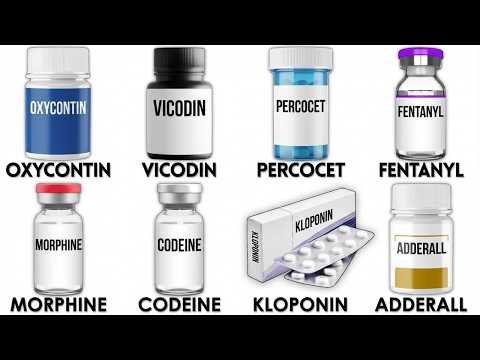
The most common prescription painkillers include opioids such as OxyContin, Vicodin, and Percocet. These medications are often prescribed for chronic pain, but they can be highly addictive and have contributed to the opioid epidemic. The Centers for Disease Control and Prevention has reported that the number of opioid prescriptions dispensed in the United States has increased significantly in recent years, with the average cost per prescription rising from $15 in 1999 to over $30 in 2012. Meanwhile, patient advocacy groups have been pushing for greater access to alternative therapies and more comprehensive pain management options.
How can I safely dispose of unused prescription painkillers?
You can safely dispose of unused prescription painkillers by taking them to a drug take-back program or by using a medication disposal kit. The Drug Enforcement Administration has also established a National Prescription Drug Take-Back Day to promote the safe disposal of unused medications. Meanwhile, pharmacies and hospitals have been working to improve their medication disposal practices and promote more responsible medication use. The Centers for Disease Control and Prevention has reported that the safe disposal of unused medications can help prevent medication misuse and addiction.
What are the signs and symptoms of opioid addiction?
The signs and symptoms of opioid addiction can include physical dependence, withdrawal symptoms, and behavioral changes. The Centers for Disease Control and Prevention has reported that the signs and symptoms of opioid addiction can vary depending on the individual and the specific medication being used. Meanwhile, healthcare providers have been working to improve their ability to recognize and respond to opioid addiction, including screening and brief intervention and medication-assisted treatment. The World Health Organization has recognized the importance of early intervention and comprehensive treatment in addressing opioid addiction.
How can I get help for opioid addiction?
You can get help for opioid addiction by contacting a healthcare provider or a treatment center. The Substance Abuse and Mental Health Services Administration has established a national helpline to provide information and referrals for individuals struggling with addiction. Meanwhile, patient advocacy groups have been working to promote more comprehensive addiction treatment programs and greater access to medication-assisted treatment. The Centers for Disease Control and Prevention has reported that the earlier an individual seeks help for opioid addiction, the better their chances of recovery.
What are the long-term effects of opioid use?
The long-term effects of opioid use can include physical dependence, addiction, and cognitive impairment. The Centers for Disease Control and Prevention has reported that the long-term effects of opioid use can vary depending on the individual and the specific medication being used. Meanwhile, healthcare providers have been working to improve their ability to recognize and respond to the long-term effects of opioid use, including screening and brief intervention and medication-assisted treatment. The World Health Organization has recognized the importance of comprehensive care and patient-centered care in addressing the long-term effects of opioid use.