
Contents
- 🎨 Introduction to Takashi Murakami
- 🌸 The Rise of Kawaii Culture
- 🖌️ Murakami's Artistic Style
- 👑 The King of Kawaii
- 🤝 Collaborations and Influences
- 🌐 Global Recognition and Exhibitions
- 📚 Murakami's Philosophical and Cultural Context
- 👀 Criticisms and Controversies
- 🔮 The Future of Kawaii and Murakami's Legacy
- 📊 Market Value and Collectibility
- 👫 Murakami's Impact on Contemporary Art
- Frequently Asked Questions
- Related Topics
Overview
Takashi Murakami is a Japanese contemporary artist known for his colorful, playful, and often surreal works that blend fine art, pop culture, and anime. Born in 1962 in Tokyo, Japan, Murakami grew up in a post-war era that heavily influenced his artistic style, as seen in his early works. He is often referred to as the 'King of Kawaii' due to his ability to create cute and charming characters that have become a staple of Japanese pop culture, similar to Hello Kitty. Murakami's art has been exhibited globally, from the MOCA in Los Angeles to the Palace of Versailles in France. His unique style has also been compared to that of Andy Warhol, a pioneer of pop art. As a result, Murakami has become a household name, with his characters and artworks being highly sought after by collectors and fans alike, including those who appreciate Japanese pop culture.
🌸 The Rise of Kawaii Culture
Kawaii culture, which translates to 'cuteness' in Japanese, has become a significant aspect of Japanese pop culture, with Murakami being one of its most prominent figures. The rise of kawaii culture can be attributed to the post-war era in Japan, where there was a need for escapism and a desire for something cute and innocent. Murakami's characters, such as Kaikai Kiki, have become a symbol of kawaii culture, with their bright colors and playful designs. Kawaii culture has also been influenced by manga and anime, which have become incredibly popular worldwide. As a result, kawaii culture has become a significant aspect of Japanese identity, with Murakami being one of its most prominent ambassadors, alongside other artists like Yayoi Kusama. The influence of kawaii culture can also be seen in fashion, with many designers incorporating kawaii elements into their designs, such as Comme des Garcons.
🖌️ Murakami's Artistic Style
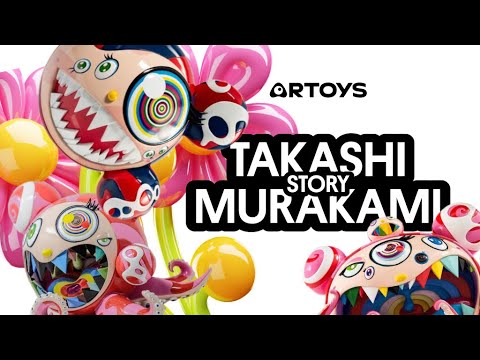
Murakami's artistic style is a unique blend of fine art, pop culture, and anime. He is known for his colorful and playful characters, which often feature bright colors, bold lines, and a mix of realistic and fantastical elements. Murakami's style has been influenced by various sources, including Japanese art, pop art, and surrealism. His characters, such as Mr. Pointy, have become a staple of his artistic style, with their cute and charming designs. Murakami's use of color and composition has also been compared to that of Pablo Picasso, a pioneer of modern art. As a result, Murakami's artistic style has become highly recognizable and has been influential in the development of contemporary art, including the work of artists like Jeff Koons.
👑 The King of Kawaii
Murakami's rise to fame can be attributed to his ability to create cute and charming characters that have become a staple of Japanese pop culture. His characters, such as Tan Tan Bo, have become incredibly popular worldwide, with many fans and collectors seeking out his artworks and merchandise. Murakami's success has also been fueled by his ability to collaborate with other artists and brands, such as Louis Vuitton and Kanye West. As a result, Murakami has become one of the most successful and influential artists of our time, with his artworks being highly sought after by collectors and museums, including the Gagosian Gallery. His influence can also be seen in the work of other artists, such as Richard Prince, who have been inspired by Murakami's unique style.
🤝 Collaborations and Influences
Murakami has collaborated with numerous artists and brands, including Pharrell Williams and Fragment Design. These collaborations have resulted in some of Murakami's most iconic works, such as his Multicolore Monogram series with Louis Vuitton. Murakami's ability to collaborate with other artists and brands has been instrumental in his success, as it has allowed him to reach a wider audience and to create new and innovative works. His collaborations have also been influenced by his interest in otaku culture, which has become a significant aspect of Japanese pop culture. As a result, Murakami has become a pioneer of collaborative art, with his works being highly sought after by collectors and fans alike, including those who appreciate streetwear.
🌐 Global Recognition and Exhibitions
Murakami's artworks have been exhibited globally, from the Tate Modern in London to the Centre Pompidou in Paris. His exhibitions have been incredibly popular, with many fans and collectors attending to see his colorful and playful works. Murakami's exhibitions have also been accompanied by various events and activities, such as workshops and lectures. As a result, Murakami has become one of the most successful and influential artists of our time, with his artworks being highly sought after by collectors and museums. His exhibitions have also been influenced by his interest in contemporary art, which has become a significant aspect of the global art market. The influence of Murakami's exhibitions can also be seen in the work of other artists, such as contemporary artists who have been inspired by his unique style.
📚 Murakami's Philosophical and Cultural Context
Murakami's philosophical and cultural context is complex and multifaceted. His artworks often explore themes of identity, culture, and technology, as seen in his Superflat theory. Murakami's use of color and composition has also been influenced by various sources, including Japanese aesthetics and Western art. As a result, Murakami's artworks have become a reflection of contemporary culture, with their bright colors and playful designs. His philosophical and cultural context has also been influenced by his interest in otaku culture, which has become a significant aspect of Japanese pop culture. The influence of Murakami's philosophical and cultural context can also be seen in the work of other artists, such as artists influenced by Yayoi Kusama.
👀 Criticisms and Controversies
Murakami's artworks have not been without controversy, with some critics accusing him of being too commercial and superficial. Others have criticized his use of cute and charming characters, arguing that they are too simplistic and lacking in depth. However, Murakami's defenders argue that his artworks are a reflection of contemporary culture, with their bright colors and playful designs. As a result, Murakami has become a polarizing figure in the art world, with some critics praising his innovative and influential style, while others criticize his commercialism and lack of depth. The controversy surrounding Murakami's artworks has also been influenced by his interest in contemporary art market, which has become a significant aspect of the global art market. The influence of Murakami's controversy can also be seen in the work of other artists, such as artists who have faced similar criticism.
🔮 The Future of Kawaii and Murakami's Legacy
The future of kawaii culture and Murakami's legacy is uncertain, with some critics arguing that his style has become too commercial and superficial. However, Murakami's defenders argue that his artworks are a reflection of contemporary culture, with their bright colors and playful designs. As a result, Murakami has become a pioneer of kawaii culture, with his artworks being highly sought after by collectors and fans alike. The future of kawaii culture has also been influenced by Murakami's interest in digital art, which has become a significant aspect of contemporary art. The influence of Murakami's legacy can also be seen in the work of other artists, such as contemporary Japanese artists who have been inspired by his unique style.
📊 Market Value and Collectibility
Murakami's artworks have become highly valuable and collectible, with some of his pieces selling for millions of dollars at auction. His artworks have been highly sought after by collectors and museums, with many of his pieces being exhibited globally. As a result, Murakami has become one of the most successful and influential artists of our time, with his artworks being highly prized by collectors and fans alike. The value of Murakami's artworks has also been influenced by his interest in art market, which has become a significant aspect of the global art market. The influence of Murakami's market value can also be seen in the work of other artists, such as artists who have achieved similar success.
👫 Murakami's Impact on Contemporary Art
Murakami's impact on contemporary art has been significant, with his unique style and innovative approach to art-making influencing a generation of artists. His use of color and composition has also been influential, with many artists incorporating similar elements into their works. As a result, Murakami has become a pioneer of contemporary art, with his artworks being highly sought after by collectors and museums. The influence of Murakami's impact can also be seen in the work of other artists, such as contemporary art movements that have been inspired by his unique style.
Key Facts
- Year
- 1962
- Origin
- Tokyo, Japan
- Category
- Art and Culture
- Type
- Person
Frequently Asked Questions
What is Takashi Murakami's artistic style?
Takashi Murakami's artistic style is a unique blend of fine art, pop culture, and anime. He is known for his colorful and playful characters, which often feature bright colors, bold lines, and a mix of realistic and fantastical elements. Murakami's style has been influenced by various sources, including Japanese art, pop art, and surrealism. His characters, such as Mr. Pointy, have become a staple of his artistic style, with their cute and charming designs. Murakami's use of color and composition has also been compared to that of Pablo Picasso, a pioneer of modern art. As a result, Murakami's artistic style has become highly recognizable and has been influential in the development of contemporary art.
What is kawaii culture?
Kawaii culture, which translates to 'cuteness' in Japanese, has become a significant aspect of Japanese pop culture. The rise of kawaii culture can be attributed to the post-war era in Japan, where there was a need for escapism and a desire for something cute and innocent. Kawaii culture has been influenced by various sources, including manga and anime, which have become incredibly popular worldwide. As a result, kawaii culture has become a significant aspect of Japanese identity, with Murakami being one of its most prominent ambassadors. The influence of kawaii culture can also be seen in fashion, with many designers incorporating kawaii elements into their designs.
What is Takashi Murakami's Superflat theory?
Takashi Murakami's Superflat theory is a philosophical and cultural context that explores the themes of identity, culture, and technology. Murakami's use of color and composition has also been influenced by various sources, including Japanese aesthetics and Western art. As a result, Murakami's artworks have become a reflection of contemporary culture, with their bright colors and playful designs. The influence of Murakami's Superflat theory can also be seen in the work of other artists, such as contemporary artists who have been inspired by his unique style.
What is the significance of Takashi Murakami's collaborations?
Takashi Murakami's collaborations with other artists and brands have been instrumental in his success. His ability to collaborate with other artists and brands has allowed him to reach a wider audience and to create new and innovative works. Murakami's collaborations have also been influenced by his interest in otaku culture, which has become a significant aspect of Japanese pop culture. As a result, Murakami has become a pioneer of collaborative art, with his works being highly sought after by collectors and fans alike.
What is the value of Takashi Murakami's artworks?
Takashi Murakami's artworks have become highly valuable and collectible, with some of his pieces selling for millions of dollars at auction. His artworks have been highly sought after by collectors and museums, with many of his pieces being exhibited globally. As a result, Murakami has become one of the most successful and influential artists of our time, with his artworks being highly prized by collectors and fans alike. The value of Murakami's artworks has also been influenced by his interest in the art market, which has become a significant aspect of the global art market.
What is the impact of Takashi Murakami on contemporary art?
Takashi Murakami's impact on contemporary art has been significant, with his unique style and innovative approach to art-making influencing a generation of artists. His use of color and composition has also been influential, with many artists incorporating similar elements into their works. As a result, Murakami has become a pioneer of contemporary art, with his artworks being highly sought after by collectors and museums. The influence of Murakami's impact can also be seen in the work of other artists, such as contemporary art movements that have been inspired by his unique style.
What is the relationship between Takashi Murakami and other artists?
Takashi Murakami has been influenced by various artists, including Andy Warhol and Pablo Picasso. His unique style has also been compared to that of Jeff Koons and Richard Prince. As a result, Murakami has become a significant figure in the art world, with his artworks being highly sought after by collectors and museums. The influence of Murakami's relationships with other artists can also be seen in the work of other artists, such as contemporary artists who have been inspired by his unique style.