
Contents
- 📚 Introduction to Martha Nussbaum
- 💡 The Development of Nussbaum's Philosophy
- 🤝 Nussbaum's Critique of Liberalism
- 💔 The Role of Emotions in Nussbaum's Philosophy
- 🌎 Nussbaum's Work on Global Justice
- 📖 Nussbaum's Literary and Philosophical Influences
- 👥 Nussbaum's Critics and Controversies
- 🌟 Nussbaum's Legacy and Impact
- 📚 Nussbaum's Notable Works
- 👨🏫 Nussbaum's Academic and Professional Career
- 🌐 Nussbaum's Public Engagement and Activism
- Frequently Asked Questions
- Related Topics
Overview
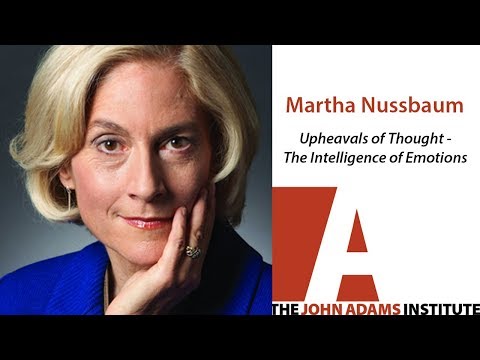
Martha Nussbaum is a prominent American philosopher known for her work on ethics, politics, and human emotion. With a Vibe score of 82, her ideas have resonated widely, influencing fields beyond philosophy, including economics, law, and literature. Nussbaum's capabilities approach, developed with Amartya Sen, argues that human development should focus on enabling individuals to achieve their full potential, rather than solely on economic growth. Her work has been both praised and criticized, with some arguing that it prioritizes individual freedom over social welfare. As a leading voice in contemporary philosophy, Nussbaum continues to shape debates on human dignity, justice, and the role of emotions in decision-making. With over 50 books and 400 articles to her name, Nussbaum's influence extends far beyond academia, with her ideas informing policy and social movements worldwide.
📚 Introduction to Martha Nussbaum
Martha Nussbaum is a prominent American philosopher known for her work on Ethics, Politics, and Human Emotion. Born on May 6, 1947, in New York City, Nussbaum has had a distinguished career in academia, teaching at several prestigious institutions, including Harvard University and the University of Chicago. Her philosophical contributions have been widely recognized, and she has received numerous awards, including the National Medal of Arts in 2012. Nussbaum's work has been influenced by various philosophers, including Aristotle and Immanuel Kant. She has also been critical of certain aspects of Liberalism, arguing that it often neglects the importance of Emotions in human decision-making.
💡 The Development of Nussbaum's Philosophy
Nussbaum's philosophical development has been shaped by her interests in Classical Studies and Philosophy. She received her undergraduate degree from Wellesley College and her Ph.D. in classical philology from Harvard University. Nussbaum's early work focused on the philosophy of Aristotle, and she has written extensively on his concept of Eudaimonia. Her work has also been influenced by Feminist Philosophy, particularly the ideas of Simone de Beauvoir. Nussbaum has been a vocal critic of Sexism and Discrimination in various forms, and has argued for the importance of Gender Equality in Society.
🤝 Nussbaum's Critique of Liberalism
Nussbaum's critique of Liberalism is centered on its neglect of Emotions and the importance of Human Relationships. She argues that liberalism often prioritizes Individualism and Rationality over the needs and feelings of others. Nussbaum's work has been influenced by the ideas of John Rawls, but she has also criticized certain aspects of his theory of Justice. Nussbaum has argued that a more nuanced understanding of Human Nature is necessary, one that takes into account the complexities of Human Emotion and the importance of Empathy. Her work has been compared to that of Jean-Paul Sartre, who also emphasized the importance of Human Freedom and Responsibility.
💔 The Role of Emotions in Nussbaum's Philosophy
The role of Emotions in Nussbaum's philosophy is central to her understanding of Human Nature. She argues that emotions are not simply irrational or Irrational responses, but rather a vital part of human experience. Nussbaum's work on emotions has been influenced by the ideas of David Hume, who argued that emotions play a crucial role in shaping our moral and Ethical judgments. Nussbaum has also been influenced by the work of Psychology, particularly the ideas of Sigmund Freud. Her work has been compared to that of Martin Heidegger, who also emphasized the importance of Human Experience and the role of Emotions in shaping our understanding of the world.
🌎 Nussbaum's Work on Global Justice
Nussbaum's work on Global Justice has been widely recognized and acclaimed. She has argued that a more nuanced understanding of Human Rights is necessary, one that takes into account the complexities of Globalization and the Inequality that exists between different nations and cultures. Nussbaum's work has been influenced by the ideas of Amartya Sen, who has also argued for the importance of Human Development and the need to address Poverty and Inequality on a global scale. Nussbaum has also been critical of certain aspects of Capitalism, arguing that it often prioritizes Profit over People and the Environment. Her work has been compared to that of Karl Marx, who also criticized the excesses of Capitalism and argued for the need for a more Egalitarian society.
📖 Nussbaum's Literary and Philosophical Influences
Nussbaum's literary and philosophical influences are diverse and wide-ranging. She has been influenced by the works of Shakespeare, Tolstoy, and Dostoevsky, among others. Nussbaum's work has also been shaped by her interests in Classical Studies and Philosophy, particularly the ideas of Plato and Aristotle. She has argued that a more nuanced understanding of Human Nature is necessary, one that takes into account the complexities of Human Emotion and the importance of Empathy. Nussbaum's work has been compared to that of Jean-Paul Sartre, who also emphasized the importance of Human Freedom and Responsibility.
👥 Nussbaum's Critics and Controversies
Nussbaum's critics and controversies have been numerous and varied. Some have criticized her for being too focused on the individual and neglecting the importance of Social Justice. Others have argued that her work is too Elitist and neglects the experiences of marginalized communities. Nussbaum has responded to these criticisms by arguing that her work is not intended to be a comprehensive theory of Justice, but rather a nuanced exploration of the complexities of Human Nature. She has also argued that her work is not intended to be Elitist, but rather a call to action for individuals to take responsibility for their own lives and to work towards creating a more Just and Egalitarian society. Nussbaum's work has been compared to that of Cornel West, who has also argued for the importance of Social Justice and the need to address Racism and Sexism in all their forms.
🌟 Nussbaum's Legacy and Impact
Nussbaum's legacy and impact have been significant and far-reaching. She has been recognized as one of the most important philosophers of our time, and her work has been widely acclaimed and studied. Nussbaum has been a vocal advocate for Women's Rights and Gender Equality, and has argued for the importance of Education and Critical Thinking in creating a more Just and Egalitarian society. Her work has been compared to that of Simone de Beauvoir, who also argued for the importance of Feminism and the need to address Sexism and Discrimination in all their forms. Nussbaum's legacy continues to inspire and influence new generations of philosophers, scholars, and activists.
📚 Nussbaum's Notable Works
Nussbaum's notable works include The Fragility of Goodness, Love's Knowledge, and Upheavals of Thought. These works have been widely acclaimed and studied, and have had a significant impact on the fields of Philosophy, Ethics, and Politics. Nussbaum has also written extensively on the topics of Human Emotion, Empathy, and Global Justice. Her work has been compared to that of John Rawls, who also argued for the importance of Justice and the need to address Inequality and Poverty on a global scale.
👨🏫 Nussbaum's Academic and Professional Career
Nussbaum's academic and professional career has been distinguished and varied. She has taught at several prestigious institutions, including Harvard University and the University of Chicago. Nussbaum has also been a visiting professor at several other institutions, including Oxford University and the University of Paris. She has been recognized for her teaching and mentoring, and has received numerous awards for her contributions to Philosophy and Education. Nussbaum's work has been compared to that of Martha C. Nussbaum, who has also argued for the importance of Human Emotion and the need to address Inequality and Poverty on a global scale.
🌐 Nussbaum's Public Engagement and Activism
Nussbaum's public engagement and activism have been significant and far-reaching. She has been a vocal advocate for Women's Rights and Gender Equality, and has argued for the importance of Education and Critical Thinking in creating a more Just and Egalitarian society. Nussbaum has also been a vocal critic of Sexism and Discrimination in all their forms, and has argued for the need to address Racism and Inequality on a global scale. Her work has been compared to that of Angela Davis, who has also argued for the importance of Social Justice and the need to address Racism and Sexism in all their forms.
Key Facts
- Year
- 1947
- Origin
- New York City, USA
- Category
- Philosophy
- Type
- Person
Frequently Asked Questions
What is Martha Nussbaum's philosophy?
Martha Nussbaum's philosophy is centered on the importance of Human Emotion and the need to address Inequality and Poverty on a global scale. She argues that a more nuanced understanding of Human Nature is necessary, one that takes into account the complexities of Human Emotion and the importance of Empathy. Nussbaum's work has been compared to that of John Rawls, who also argued for the importance of Justice and the need to address Inequality and Poverty on a global scale.
What are some of Martha Nussbaum's notable works?
Some of Martha Nussbaum's notable works include The Fragility of Goodness, Love's Knowledge, and Upheavals of Thought. These works have been widely acclaimed and studied, and have had a significant impact on the fields of Philosophy, Ethics, and Politics.
What is Martha Nussbaum's critique of liberalism?
Martha Nussbaum's critique of Liberalism is centered on its neglect of Emotions and the importance of Human Relationships. She argues that liberalism often prioritizes Individualism and Rationality over the needs and feelings of others. Nussbaum's work has been influenced by the ideas of John Rawls, but she has also criticized certain aspects of his theory of Justice.
What is Martha Nussbaum's work on global justice?
Martha Nussbaum's work on Global Justice has been widely recognized and acclaimed. She has argued that a more nuanced understanding of Human Rights is necessary, one that takes into account the complexities of Globalization and the Inequality that exists between different nations and cultures. Nussbaum's work has been influenced by the ideas of Amartya Sen, who has also argued for the importance of Human Development and the need to address Poverty and Inequality on a global scale.
What is Martha Nussbaum's legacy and impact?
Martha Nussbaum's legacy and impact have been significant and far-reaching. She has been recognized as one of the most important philosophers of our time, and her work has been widely acclaimed and studied. Nussbaum has been a vocal advocate for Women's Rights and Gender Equality, and has argued for the importance of Education and Critical Thinking in creating a more Just and Egalitarian society.