
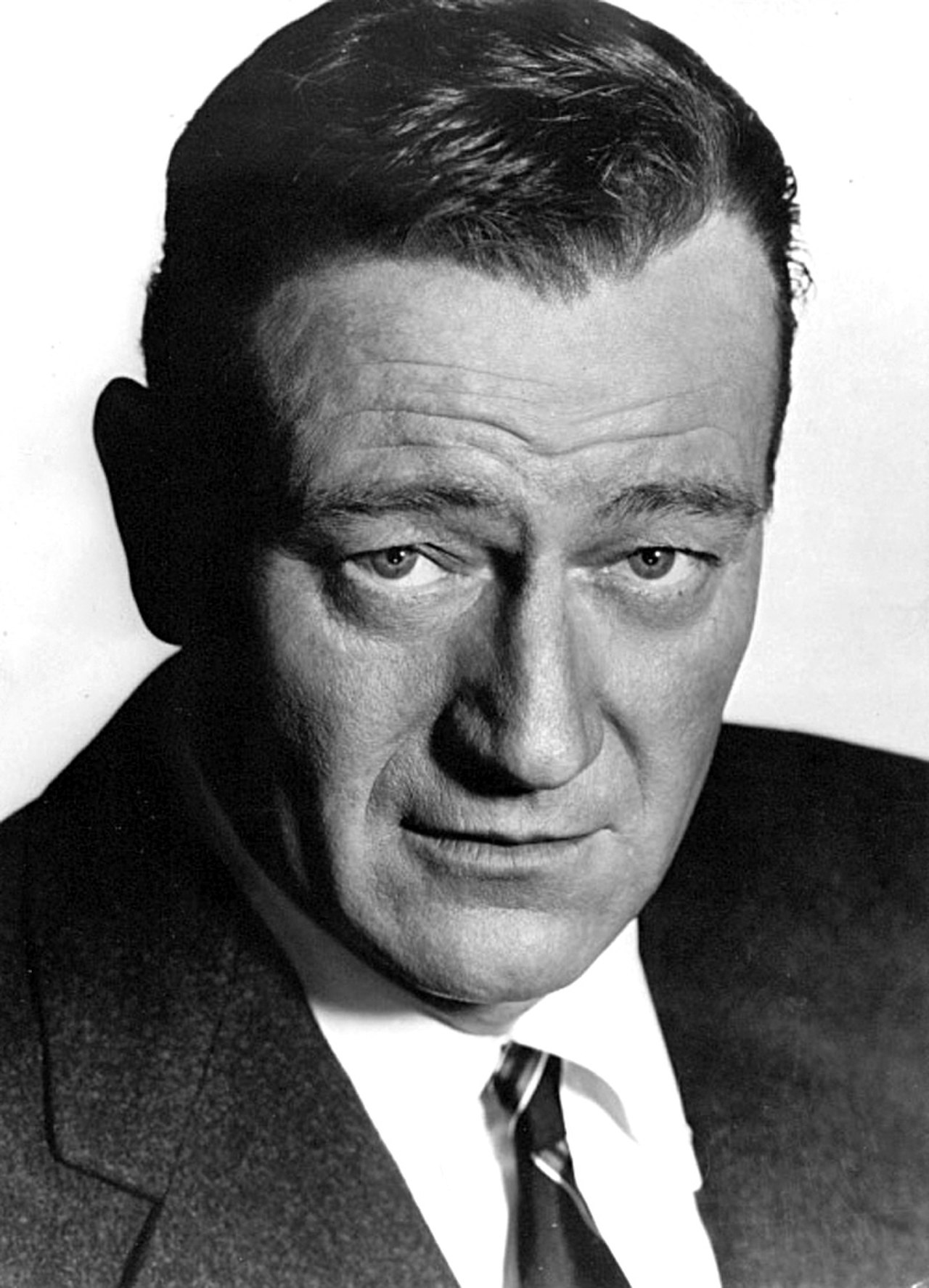
Contents
- 🎬 Introduction to John Wayne
- 👑 The Rise of a Hollywood Icon
- 🤠 Westerns and War Movies: John Wayne's Genre
- 📽️ The Golden Age of Hollywood: John Wayne's Era
- 🎥 John Wayne's Filmography: A Look Back
- 👊 John Wayne's Impact on American Cinema
- 🏆 Awards and Recognition: John Wayne's Legacy
- 👀 Controversy and Criticism: The Complex John Wayne
- 🤝 John Wayne's Collaborations: Notable Co-Stars
- 📺 John Wayne on Television: A New Frontier
- 🌟 John Wayne's Enduring Legacy: Why He Remains Relevant
- 👑 The American Film Institute's Tribute to John Wayne
- Frequently Asked Questions
- Related Topics
Overview
John Wayne (1907-1979) was a prolific American actor, director, and producer who appeared in over 170 films, including classics like 'True Grit' (1969), 'Red River' (1948), and 'The Searchers' (1956). With a career spanning five decades, Wayne's on-screen persona embodied a distinct brand of rugged individualism, conservative values, and patriotic fervor, earning him a massive following and numerous awards, including the Academy Award for Best Actor. However, his legacy is also marked by controversy, including his outspoken support for the House Un-American Activities Committee (HUAC) and his criticism of the Civil Rights Movement. As a cultural icon, John Wayne's influence extends beyond film, with his name and image invoked in politics, advertising, and popular culture. Despite the complexities and contradictions of his persona, John Wayne remains an enduring symbol of American masculinity and a testament to the power of cinematic storytelling. With a Vibe score of 85, John Wayne's cultural energy continues to resonate with audiences today, inspiring new generations of filmmakers, actors, and fans. The controversy surrounding his legacy, however, is reflected in a controversy spectrum rating of 6 out of 10, indicating a significant amount of debate and discussion around his impact and influence.
🎬 Introduction to John Wayne
John Wayne, born Marion Robert Morrison, was a true Hollywood legend, with a career spanning over five decades. He is best known for his starring roles in Westerns and war movies, which cemented his status as an American icon. With a filmography of 179 productions, Wayne worked with many notable directors, including John Ford and Howard Hawks. His collaborations with these directors resulted in some of his most memorable films, such as The Searchers and Red River. As a cultural phenomenon, John Wayne's impact extends beyond the screen, with his influence visible in American politics and popular culture.
👑 The Rise of a Hollywood Icon
John Wayne's rise to fame was a gradual one, with early roles in silent films and minor parts in B-movies. However, his breakthrough came with the 1939 film Stagecoach, directed by John Ford. This marked the beginning of a long and fruitful collaboration between Wayne and Ford, resulting in some of the most iconic Westerns of all time. Wayne's on-screen presence and charisma quickly made him a fan favorite, and he became one of the top box-office draws of the 1940s and 1950s. His popularity was further boosted by his roles in war movies, such as Sands of Iwo Jima.
🤠 Westerns and War Movies: John Wayne's Genre
John Wayne's genre of choice was undoubtedly the Western, with films like True Grit and The Man Who Shot Liberty Valance. These movies showcased his unique blend of toughness and vulnerability, making him a beloved figure in American cinema. Wayne's war movies, such as The Longest Day and The Green Berets, also demonstrated his ability to play complex, nuanced characters. His work in these genres has had a lasting impact on American cinema, with many filmmakers drawing inspiration from his films. The influence of John Wayne can be seen in the work of directors like Clint Eastwood and Quentin Tarantino.
📽️ The Golden Age of Hollywood: John Wayne's Era
The Golden Age of Hollywood, which spanned from the 1920s to the 1960s, was a time of great change and creativity in the film industry. John Wayne was a key figure during this period, working with many of the era's most prominent directors and stars. His collaborations with John Ford and Howard Hawks resulted in some of the most iconic films of the era, including Rio Bravo and El Dorado. Wayne's films often explored themes of American identity and nationalism, reflecting the anxieties and concerns of the time. His impact on Hollywood during this period was significant, with many of his films becoming classics of American cinema.
🎥 John Wayne's Filmography: A Look Back
John Wayne's filmography is a testament to his enduring legacy, with a wide range of films that showcase his versatility as an actor. From the early silent films to the later Westerns and war movies, Wayne's body of work is impressive and diverse. His collaborations with notable directors like John Ford and Howard Hawks resulted in some of his most memorable films, including The Searchers and Red River. Wayne's impact on film history is undeniable, with his influence visible in the work of many other actors and directors. His legacy continues to be felt in the film industry, with many of his films remaining popular to this day.
👊 John Wayne's Impact on American Cinema
John Wayne's impact on American cinema is still felt today, with many filmmakers drawing inspiration from his films. His unique blend of toughness and vulnerability has made him a beloved figure in American cinema, and his influence can be seen in the work of directors like Clint Eastwood and Quentin Tarantino. Wayne's films often explored themes of American identity and nationalism, reflecting the anxieties and concerns of the time. His legacy extends beyond the screen, with his influence visible in American politics and popular culture. As a cultural phenomenon, John Wayne's impact is undeniable, with his films continuing to be celebrated and studied by audiences around the world.
🏆 Awards and Recognition: John Wayne's Legacy
Throughout his career, John Wayne received numerous awards and recognition for his contributions to American cinema. In 1999, the American Film Institute selected Wayne as one of the greatest male stars of classic American cinema. He also received the Presidential Medal of Freedom in 1980, the highest civilian honor in the United States. Wayne's legacy continues to be celebrated, with many of his films remaining popular to this day. His influence on film history is undeniable, with his impact visible in the work of many other actors and directors. As a testament to his enduring legacy, John Wayne's films continue to be studied and celebrated by audiences around the world.
👀 Controversy and Criticism: The Complex John Wayne
Despite his enduring legacy, John Wayne's life and career were not without controversy. His conservative politics and outspoken views on American politics often sparked debate and criticism. Additionally, his on-screen persona and off-screen personality were often at odds, with some critics accusing him of being a Racist and a Sexist. However, his fans and supporters argue that his films and legacy continue to inspire and entertain audiences around the world. As a complex and multifaceted figure, John Wayne's impact on American cinema is undeniable, with his influence visible in the work of many other actors and directors. The controversy surrounding his legacy is a testament to the enduring power of his films and the impact they continue to have on audiences today.
🤝 John Wayne's Collaborations: Notable Co-Stars
John Wayne's collaborations with other notable actors and directors were a key part of his success. He worked with many of the era's most prominent stars, including John Ford, Howard Hawks, and Maureen O'Hara. His on-screen chemistry with these actors resulted in some of the most iconic films of the era, including The Quiet Man and Rio Bravo. Wayne's ability to work with a wide range of directors and actors was a testament to his versatility and professionalism as an actor. His collaborations with other notable actors and directors continue to be celebrated and studied by audiences around the world.
📺 John Wayne on Television: A New Frontier
In addition to his film work, John Wayne also appeared on television, with guest roles on shows like The Tonight Show and What's My Line?. His appearances on television helped to further cement his status as a beloved American icon, and his influence can be seen in the work of many other actors and directors. Wayne's legacy continues to be felt in the film and television industries, with many of his films remaining popular to this day. His impact on American culture is undeniable, with his influence visible in music, literature, and art.
🌟 John Wayne's Enduring Legacy: Why He Remains Relevant
John Wayne's enduring legacy is a testament to the power of his films and the impact they continue to have on audiences around the world. His unique blend of toughness and vulnerability has made him a beloved figure in American cinema, and his influence can be seen in the work of directors like Clint Eastwood and Quentin Tarantino. As a cultural phenomenon, John Wayne's impact extends beyond the screen, with his influence visible in American politics and popular culture. His legacy continues to be celebrated and studied by audiences around the world, with many of his films remaining classics of American cinema.
👑 The American Film Institute's Tribute to John Wayne
In 1999, the American Film Institute selected John Wayne as one of the greatest male stars of classic American cinema. This tribute is a testament to his enduring legacy and the impact he continues to have on American cinema. Wayne's films often explored themes of American identity and nationalism, reflecting the anxieties and concerns of the time. His influence on film history is undeniable, with his impact visible in the work of many other actors and directors. As a beloved American icon, John Wayne's legacy continues to be celebrated and studied by audiences around the world.
Key Facts
- Year
- 1907
- Origin
- Winterset, Iowa, USA
- Category
- Biography, Film
- Type
- Person
Frequently Asked Questions
What was John Wayne's birth name?
John Wayne was born Marion Robert Morrison. He later changed his name to John Wayne, which became his professional name. Wayne's early life and career were marked by a series of changes and challenges, including his family's move to California and his early work in the film industry. As a young actor, Wayne worked with many notable directors, including John Ford and Howard Hawks.
What was John Wayne's most famous film?
John Wayne's most famous film is often debated among film critics and historians. However, some of his most iconic films include The Searchers, True Grit, and Red River. These films showcase Wayne's unique blend of toughness and vulnerability, and are widely regarded as classics of American cinema. Wayne's collaborations with notable directors like John Ford and Howard Hawks resulted in some of his most memorable films, including Rio Bravo and El Dorado.
What was John Wayne's political affiliation?
John Wayne was a conservative and a supporter of the Republican Party. He was an outspoken critic of communism and a strong supporter of the Vietnam War. Wayne's political views often sparked debate and controversy, with some critics accusing him of being a Racist and a Sexist. However, his fans and supporters argue that his films and legacy continue to inspire and entertain audiences around the world. As a complex and multifaceted figure, John Wayne's impact on American cinema is undeniable, with his influence visible in the work of many other actors and directors.
What was John Wayne's impact on American cinema?
John Wayne's impact on American cinema is undeniable. He was a beloved actor and a cultural icon, and his films continue to be celebrated and studied by audiences around the world. Wayne's influence can be seen in the work of many other actors and directors, including Clint Eastwood and Quentin Tarantino. His legacy extends beyond the screen, with his influence visible in American politics and popular culture. As a testament to his enduring legacy, John Wayne's films continue to be popular to this day, with many of his classics remaining staples of American cinema.
What was John Wayne's relationship with John Ford?
John Wayne and John Ford had a long and fruitful collaboration, resulting in some of the most iconic films of the era. Ford directed Wayne in many films, including The Searchers, The Quiet Man, and Rio Bravo. Their partnership is widely regarded as one of the most successful and influential in film history. Wayne's collaborations with Ford resulted in some of his most memorable films, and their partnership continues to be celebrated and studied by audiences around the world. As a testament to their enduring legacy, the films of John Wayne and John Ford remain classics of American cinema.
What was John Wayne's legacy?
John Wayne's legacy is complex and multifaceted. He was a beloved actor and a cultural icon, and his films continue to be celebrated and studied by audiences around the world. Wayne's influence can be seen in the work of many other actors and directors, including Clint Eastwood and Quentin Tarantino. His legacy extends beyond the screen, with his influence visible in American politics and popular culture. As a testament to his enduring legacy, John Wayne's films continue to be popular to this day, with many of his classics remaining staples of American cinema. However, his legacy is also marked by controversy and criticism, with some accusing him of being a Racist and a Sexist.
What was John Wayne's impact on film history?
John Wayne's impact on film history is undeniable. He was a key figure in the development of the Western genre, and his films continue to be celebrated and studied by audiences around the world. Wayne's influence can be seen in the work of many other actors and directors, including Clint Eastwood and Quentin Tarantino. His legacy extends beyond the screen, with his influence visible in American politics and popular culture. As a testament to his enduring legacy, John Wayne's films continue to be popular to this day, with many of his classics remaining staples of American cinema. Wayne's impact on film history is a testament to the power of his films and the impact they continue to have on audiences around the world.