
Contents
- 📚 Introduction to Jacques Derrida
- 🔍 Deconstruction: A New Approach to Philosophy
- 📖 The Influence of Friedrich Nietzsche and Martin Heidegger
- 🌎 Derrida's Critique of Western Philosophy
- 📝 The Concept of Différance
- 📚 The Role of Language in Deconstruction
- 💡 Derrida's Impact on Contemporary Thought
- 🌐 The Global Reception of Derrida's Work
- 📊 Criticisms and Controversies Surrounding Derrida's Ideas
- 🔮 The Legacy of Jacques Derrida
- 📚 Conclusion: The Enduring Influence of Derrida's Philosophy
- Frequently Asked Questions
- Related Topics
Overview
Jacques Derrida was a French philosopher known for his theory of Deconstruction, which challenged traditional notions of meaning and interpretation. Born on July 15, 1930, in El Biar, Algeria, Derrida's work had a significant impact on Continental Philosophy and Postmodernism. His ideas were influenced by Friedrich Nietzsche and Martin Heidegger, and he is widely regarded as one of the most important philosophers of the 20th century. Derrida's philosophy focused on the relationship between Language and reality, and he argued that meaning is always in flux. He also explored the concept of Différance, which refers to the way in which meaning is constantly deferred. Derrida's work has been applied in a variety of fields, including Literary Theory and Cultural Studies.
🔍 Deconstruction: A New Approach to Philosophy
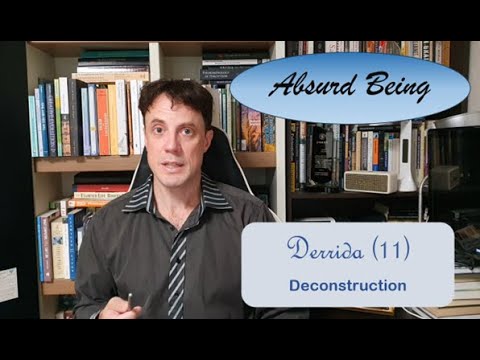
Derrida's theory of Deconstruction is a critical methodology that challenges traditional notions of meaning and interpretation. It involves a close reading of texts to identify the underlying Power Dynamics and Social Context that shape their meaning. Deconstruction is not a method of analysis, but rather a way of thinking about the relationship between Text and Meaning. Derrida's work on Deconstruction was influenced by Structuralism and Poststructuralism, and he argued that meaning is always subject to multiple interpretations. He also explored the concept of Supplement, which refers to the way in which additional information or context can change our understanding of a text. Derrida's ideas have been influential in a variety of fields, including Philosophy, Literary Theory, and Cultural Studies.
📖 The Influence of Friedrich Nietzsche and Martin Heidegger
Derrida's work was influenced by a variety of philosophers, including Friedrich Nietzsche and Martin Heidegger. Nietzsche's ideas about the Will to Power and the Death of God had a significant impact on Derrida's thought, and he often engaged with Nietzsche's ideas in his own work. Heidegger's concept of Being and Time also influenced Derrida's philosophy, and he often explored the relationship between Human Existence and Technology. Derrida's work was also influenced by Jean-Paul Sartre and Maurice Merleau-Ponty, and he was a key figure in the development of Existentialism and Phenomenology. Derrida's ideas have been applied in a variety of fields, including Philosophy, Literary Theory, and Cultural Studies.
🌎 Derrida's Critique of Western Philosophy
Derrida's critique of Western philosophy focused on the way in which traditional notions of Meaning and Truth are based on a Metaphysics of Presence. He argued that this approach to philosophy is problematic because it assumes that meaning is fixed and stable, rather than subject to multiple interpretations. Derrida's work challenged the idea of a single, objective Reality, and he argued that meaning is always shaped by Power Dynamics and Social Context. He also explored the concept of Logocentrism, which refers to the way in which Western philosophy has traditionally privileged Reason and Logic over other forms of knowledge. Derrida's ideas have been influential in a variety of fields, including Philosophy, Literary Theory, and Cultural Studies.
📝 The Concept of Différance
The concept of Différance is central to Derrida's philosophy, and it refers to the way in which meaning is constantly deferred. Derrida argued that meaning is never fixed or stable, but is always subject to multiple interpretations and reinterpretations. He also explored the concept of Supplement, which refers to the way in which additional information or context can change our understanding of a text. Derrida's work on Différance was influenced by Ferdinand de Saussure and Roman Jakobson, and he often engaged with their ideas in his own work. Derrida's ideas have been applied in a variety of fields, including Philosophy, Literary Theory, and Cultural Studies.
📚 The Role of Language in Deconstruction
The role of Language in Deconstruction is crucial, and Derrida argued that language is not a neutral or transparent medium for conveying meaning. Instead, he claimed that language is always subject to multiple interpretations and reinterpretations, and that meaning is never fixed or stable. Derrida's work on language was influenced by Linguistics and Semiotics, and he often explored the relationship between Signifier and Signified. He also argued that language is not a reflection of Reality, but rather a way of shaping and constructing our understanding of the world. Derrida's ideas have been influential in a variety of fields, including Philosophy, Literary Theory, and Cultural Studies.
💡 Derrida's Impact on Contemporary Thought
Derrida's impact on contemporary thought has been significant, and his ideas have been applied in a variety of fields, including Philosophy, Literary Theory, and Cultural Studies. His work on Deconstruction has influenced a generation of scholars and thinkers, and his ideas continue to shape our understanding of Meaning, Truth, and Reality. Derrida's critique of Western philosophy has also had a significant impact on contemporary thought, and his ideas have influenced a variety of fields, including Postmodernism and Poststructuralism. Derrida's work has been translated into many languages, and he is widely regarded as one of the most important philosophers of the 20th century.
🌐 The Global Reception of Derrida's Work
The global reception of Derrida's work has been significant, and his ideas have been influential in a variety of fields, including Philosophy, Literary Theory, and Cultural Studies. Derrida's work has been translated into many languages, and he has been widely read and studied around the world. His ideas have been applied in a variety of contexts, including Academia, Art, and Politics. Derrida's work has also been influential in shaping our understanding of Globalization and Cultural Diversity. His ideas have been influential in a variety of fields, including Postcolonial Studies and Feminist Theory.
📊 Criticisms and Controversies Surrounding Derrida's Ideas
Criticisms and controversies surrounding Derrida's ideas have been significant, and his work has been subject to a variety of criticisms and challenges. Some critics have argued that Derrida's ideas are too Complex and Abstract, and that they are not accessible to a wide audience. Others have argued that Derrida's work is too focused on Language and Text, and that it neglects other important aspects of Human Experience. Derrida's work has also been criticized for being too Negative and Critical, and for failing to provide a positive or constructive alternative to traditional notions of Meaning and Truth. Despite these criticisms, Derrida's work remains widely read and studied, and his ideas continue to shape our understanding of Philosophy, Literary Theory, and Cultural Studies.
🔮 The Legacy of Jacques Derrida
The legacy of Jacques Derrida is complex and multifaceted, and his ideas continue to shape our understanding of Philosophy, Literary Theory, and Cultural Studies. Derrida's work on Deconstruction has influenced a generation of scholars and thinkers, and his ideas continue to be applied in a variety of fields, including Academia, Art, and Politics. Derrida's critique of Western philosophy has also had a significant impact on contemporary thought, and his ideas have influenced a variety of fields, including Postmodernism and Poststructuralism. Derrida's work has been translated into many languages, and he is widely regarded as one of the most important philosophers of the 20th century.
📚 Conclusion: The Enduring Influence of Derrida's Philosophy
In conclusion, Jacques Derrida's philosophy has had a significant impact on contemporary thought, and his ideas continue to shape our understanding of Meaning, Truth, and Reality. Derrida's work on Deconstruction has influenced a generation of scholars and thinkers, and his ideas have been applied in a variety of fields, including Philosophy, Literary Theory, and Cultural Studies. Derrida's critique of Western philosophy has also had a significant impact on contemporary thought, and his ideas have influenced a variety of fields, including Postmodernism and Poststructuralism. As we move forward in the 21st century, Derrida's ideas will continue to shape our understanding of the world and our place within it.
Key Facts
- Year
- 1930
- Origin
- El Biar, Algeria
- Category
- Philosophy
- Type
- Person
Frequently Asked Questions
What is Deconstruction?
Deconstruction is a critical methodology that challenges traditional notions of meaning and interpretation. It involves a close reading of texts to identify the underlying Power Dynamics and Social Context that shape their meaning. Deconstruction is not a method of analysis, but rather a way of thinking about the relationship between Text and Meaning.
What is the concept of Différance?
The concept of Différance refers to the way in which meaning is constantly deferred. Derrida argued that meaning is never fixed or stable, but is always subject to multiple interpretations and reinterpretations. He also explored the concept of Supplement, which refers to the way in which additional information or context can change our understanding of a text.
What is the role of Language in Deconstruction?
The role of Language in Deconstruction is crucial, and Derrida argued that language is not a neutral or transparent medium for conveying meaning. Instead, he claimed that language is always subject to multiple interpretations and reinterpretations, and that meaning is never fixed or stable. Derrida's work on language was influenced by Linguistics and Semiotics.
What is the legacy of Jacques Derrida?
The legacy of Jacques Derrida is complex and multifaceted, and his ideas continue to shape our understanding of Philosophy, Literary Theory, and Cultural Studies. Derrida's work on Deconstruction has influenced a generation of scholars and thinkers, and his ideas have been applied in a variety of fields, including Academia, Art, and Politics.
What are the criticisms of Derrida's ideas?
Criticisms of Derrida's ideas have been significant, and his work has been subject to a variety of criticisms and challenges. Some critics have argued that Derrida's ideas are too Complex and Abstract, and that they are not accessible to a wide audience. Others have argued that Derrida's work is too focused on Language and Text, and that it neglects other important aspects of Human Experience.
How has Derrida's work influenced contemporary thought?
Derrida's work has had a significant impact on contemporary thought, and his ideas continue to shape our understanding of Meaning, Truth, and Reality. Derrida's critique of Western philosophy has also had a significant impact on contemporary thought, and his ideas have influenced a variety of fields, including Postmodernism and Poststructuralism.
What is the relationship between Derrida's work and Postmodernism?
Derrida's work has been influential in shaping our understanding of Postmodernism, and his ideas have been applied in a variety of fields, including Philosophy, Literary Theory, and Cultural Studies. Derrida's critique of Western philosophy has also had a significant impact on contemporary thought, and his ideas have influenced a variety of fields, including Postmodernism and Poststructuralism.