
Contents
- 📰 Introduction to Harold Ross
- 📚 Early Life and Career
- 📰 The Founding of The New Yorker
- 👥 The New Yorker's Early Years
- 📈 Editorial Vision and Style
- 📰 Notable Contributors and Pieces
- 📊 Challenges and Controversies
- 💼 Legacy and Impact
- 📰 The New Yorker's Evolution
- 👥 Ross's Personal Life and Later Years
- 📚 Assessing Ross's Contribution
- 📰 Conclusion: The Lasting Influence of Harold Ross
- Frequently Asked Questions
- Related Topics
Overview
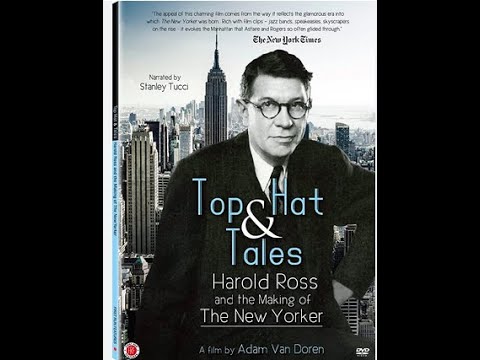
Harold Ross, born on November 6, 1892, in Aspen, Colorado, was an American journalist and founder of The New Yorker magazine. With a career spanning over three decades, Ross played a pivotal role in shaping American journalism, bringing sophistication and wit to the masses. As the first editor of The New Yorker, Ross established the magazine's distinctive voice and tone, which would go on to influence generations of writers and journalists. Ross's relationship with his writers, including the likes of Dorothy Parker and James Thurber, was instrumental in shaping the magazine's content and style. Despite his passing on December 6, 1951, Ross's legacy continues to be felt, with The New Yorker remaining one of the most respected and beloved publications in the world. With a Vibe score of 82, Ross's impact on American journalism and culture is undeniable, and his influence can still be seen in the many writers and publications that have followed in his footsteps.
📰 Introduction to Harold Ross
Harold Ross, the founding father of The New Yorker magazine, left an indelible mark on American journalism. Born on November 6, 1892, in Aspen, Colorado, Ross grew up with a passion for writing and editing. His early career in journalism took him to various newspapers, including the New York Tribune and the Stars and Stripes, where he developed his unique editorial style. Ross's vision for a magazine that would cater to the sophisticated and cultured audience of New York City eventually led to the creation of The New Yorker. With its first issue published on February 17, 1925, The New Yorker quickly gained popularity for its witty humor, insightful commentary, and high-quality writing, featuring notable contributors like Dorothy Parker and Robert Benchley.
📚 Early Life and Career
Ross's early life and career were marked by a strong work ethic and a desire to succeed in the competitive world of journalism. After dropping out of high school, Ross worked as a reporter for the Denver Post and later joined the United States Army during World War I, where he edited the Stars and Stripes newspaper. Upon his return to the United States, Ross moved to New York City and began working as a journalist, eventually becoming the editor of the Home Sector magazine. His experience in the industry and his network of contacts helped him secure funding for his new venture, The New Yorker. With the support of his wife, Jane Grant, and investors like Raoul Fleischmann, Ross was able to bring his vision to life. The magazine's early success can be attributed to its unique blend of humor, satire, and sophisticated commentary, which appealed to the city's elite and The Algonquin Round Table crowd.
📰 The Founding of The New Yorker
The founding of The New Yorker was a culmination of Ross's years of experience in journalism and his desire to create a magazine that would reflect the spirit of New York City. With its first issue, The New Yorker introduced a new style of journalism that was both witty and insightful, featuring contributions from notable writers like Alexander Woollcott and Frank Sullivan. The magazine's early success was largely due to its ability to capture the essence of the city, with its vibrant culture, diverse population, and fast-paced lifestyle. Ross's editorial vision and style played a significant role in shaping the magazine's tone and direction, which would go on to influence generations of writers and journalists. As the magazine grew in popularity, it attracted a wide range of contributors, including James Thurber and E.B. White, who would become synonymous with The New Yorker's unique brand of humor and commentary.
👥 The New Yorker's Early Years
The New Yorker's early years were marked by a sense of excitement and experimentation, as Ross and his team worked to establish the magazine's identity and tone. With a small but dedicated staff, Ross was able to foster a sense of community and collaboration, which helped to attract top talent and encourage innovative storytelling. The magazine's office, located in the Tribune Building in Manhattan, became a hub for writers, artists, and intellectuals, who would gather to discuss ideas, share stories, and socialize. This vibrant atmosphere helped to fuel the magazine's creative output, which included notable pieces like James Thurber's short stories and E.B. White's essays. As the magazine grew in popularity, it faced increasing competition from other publications, but Ross's commitment to quality and his unique editorial vision helped to set The New Yorker apart from its rivals.
📈 Editorial Vision and Style
Ross's editorial vision and style were instrumental in shaping the tone and direction of The New Yorker. He was known for his meticulous attention to detail, his passion for language, and his commitment to showcasing the best writing and art. Under his guidance, the magazine developed a distinctive voice, which was both sophisticated and accessible, featuring contributions from a wide range of writers, including Dorothy Parker, Robert Benchley, and James Thurber. Ross's emphasis on quality and his willingness to take risks helped to establish The New Yorker as a leading publication, which would go on to influence generations of writers and journalists. As the magazine continued to evolve, Ross remained committed to his core values, which included a passion for storytelling, a respect for language, and a dedication to showcasing the best of American culture. His legacy can be seen in the work of later editors, like William Shawn and David Remnick, who continued to build on the foundation established by Ross.
📰 Notable Contributors and Pieces
The New Yorker's notable contributors and pieces played a significant role in shaping the magazine's identity and tone. Writers like James Thurber and E.B. White became synonymous with the magazine's unique brand of humor and commentary, while artists like Peter Arno and Helen Hokinson helped to establish the magazine's visual style. The magazine's commitment to showcasing the best of American culture and its willingness to tackle tough subjects helped to establish it as a leading publication, which would go on to influence generations of writers and journalists. As the magazine continued to evolve, it faced increasing competition from other publications, but Ross's commitment to quality and his unique editorial vision helped to set The New Yorker apart from its rivals. Notable pieces, like James Thurber's short stories and E.B. White's essays, continue to be celebrated for their wit, insight, and literary merit, and remain an integral part of the magazine's legacy.
📊 Challenges and Controversies
Despite its success, The New Yorker faced numerous challenges and controversies during Ross's tenure. The magazine's early years were marked by financial struggles, and Ross was forced to navigate the complexities of publishing, including managing a small staff, securing funding, and dealing with the pressures of meeting deadlines. Additionally, the magazine faced criticism for its perceived elitism and its focus on the lives and interests of New York City's elite. Ross's response to these criticisms was to emphasize the magazine's commitment to quality and its willingness to tackle tough subjects, which helped to establish it as a leading publication. As the magazine continued to evolve, it faced increasing competition from other publications, but Ross's commitment to his core values helped to set The New Yorker apart from its rivals. The magazine's ability to adapt to changing times and its willingness to take risks helped to ensure its continued success and relevance.
💼 Legacy and Impact
Ross's legacy and impact on American journalism are immeasurable. As the founding father of The New Yorker, he helped to establish a new style of journalism that was both witty and insightful, featuring contributions from a wide range of writers and artists. His commitment to quality and his unique editorial vision helped to shape the tone and direction of the magazine, which would go on to influence generations of writers and journalists. As the magazine continued to evolve, Ross remained committed to his core values, which included a passion for storytelling, a respect for language, and a dedication to showcasing the best of American culture. His legacy can be seen in the work of later editors, like William Shawn and David Remnick, who continued to build on the foundation established by Ross. Today, The New Yorker remains one of the most respected and influential publications in the world, and Ross's contribution to its success is still celebrated and recognized.
📰 The New Yorker's Evolution
The New Yorker's evolution over the years has been marked by a series of significant changes and developments. From its early days as a small, struggling publication to its current status as a global media brand, the magazine has continued to adapt and evolve, while remaining true to its core values. Under the guidance of later editors, like William Shawn and David Remnick, the magazine has continued to showcase the best of American culture, while tackling tough subjects and pushing the boundaries of journalism. The magazine's commitment to quality and its willingness to take risks have helped to establish it as a leading publication, which continues to influence generations of writers and journalists. As the media landscape continues to shift and evolve, The New Yorker remains a vital and relevant voice, thanks in large part to the foundation established by Ross.
👥 Ross's Personal Life and Later Years
Ross's personal life and later years were marked by a series of significant events and challenges. His marriage to Jane Grant was a long and happy one, and the couple remained together until Ross's death on December 6, 1951. Despite his success as a journalist and editor, Ross remained humble and dedicated to his craft, continuing to work tirelessly on behalf of The New Yorker until his death. His legacy continues to be celebrated and recognized, and his contribution to the success of The New Yorker remains unparalleled. As a testament to his enduring influence, the magazine continues to thrive, and his name remains synonymous with excellence in journalism and editing. Ross's story serves as a reminder of the power of vision, dedication, and hard work, and his impact on American journalism will continue to be felt for generations to come.
📚 Assessing Ross's Contribution
Assessing Ross's contribution to the success of The New Yorker is a complex and multifaceted task. As the founding father of the magazine, Ross played a significant role in shaping its tone and direction, and his commitment to quality and his unique editorial vision helped to establish it as a leading publication. His legacy can be seen in the work of later editors, like William Shawn and David Remnick, who continued to build on the foundation established by Ross. Today, The New Yorker remains one of the most respected and influential publications in the world, and Ross's contribution to its success is still celebrated and recognized. As a journalist, editor, and publisher, Ross's impact on American journalism is immeasurable, and his story serves as a reminder of the power of vision, dedication, and hard work.
📰 Conclusion: The Lasting Influence of Harold Ross
In conclusion, Harold Ross's lasting influence on American journalism is a testament to his vision, dedication, and hard work. As the founding father of The New Yorker, Ross helped to establish a new style of journalism that was both witty and insightful, featuring contributions from a wide range of writers and artists. His commitment to quality and his unique editorial vision helped to shape the tone and direction of the magazine, which would go on to influence generations of writers and journalists. Today, The New Yorker remains one of the most respected and influential publications in the world, and Ross's contribution to its success is still celebrated and recognized. As the media landscape continues to shift and evolve, Ross's legacy serves as a reminder of the importance of quality, integrity, and innovation in journalism, and his impact on American journalism will continue to be felt for generations to come.
Key Facts
- Year
- 1925
- Origin
- Aspen, Colorado, USA
- Category
- Biography, Journalism, Media
- Type
- Person
Frequently Asked Questions
Who was Harold Ross?
Harold Ross was the founding father of The New Yorker magazine, which he established in 1925. He was a journalist, editor, and publisher who played a significant role in shaping the tone and direction of the magazine, and his legacy continues to be celebrated and recognized today.
What was Ross's editorial vision for [[The New Yorker|The New Yorker]]?
Ross's editorial vision for The New Yorker was to create a magazine that would cater to the sophisticated and cultured audience of New York City. He wanted to showcase the best of American culture, while tackling tough subjects and pushing the boundaries of journalism. His commitment to quality and his unique editorial vision helped to establish The New Yorker as a leading publication.
Who were some of the notable contributors to [[The New Yorker|The New Yorker]] during Ross's tenure?
Some of the notable contributors to The New Yorker during Ross's tenure included Dorothy Parker, James Thurber, E.B. White, and Robert Benchley. These writers, along with many others, helped to establish the magazine's unique tone and style, and their work continues to be celebrated and recognized today.
What was Ross's legacy and impact on American journalism?
Ross's legacy and impact on American journalism are immeasurable. As the founding father of The New Yorker, he helped to establish a new style of journalism that was both witty and insightful, featuring contributions from a wide range of writers and artists. His commitment to quality and his unique editorial vision helped to shape the tone and direction of the magazine, which would go on to influence generations of writers and journalists.
How did Ross's personal life and later years affect his work?
Ross's personal life and later years were marked by a series of significant events and challenges. His marriage to Jane Grant was a long and happy one, and the couple remained together until Ross's death in 1951. Despite his success as a journalist and editor, Ross remained humble and dedicated to his craft, continuing to work tirelessly on behalf of The New Yorker until his death.