
Contents
- 📚 Introduction to George Orwell
- 📰 Literary Career and Influences
- 🔍 Critique of Totalitarianism
- 📝 Notable Works: 1984 and Animal Farm
- 🌎 Impact on Politics and Society
- 👥 Relationship with Other Authors
- 📰 Journalism and Essay Writing
- 📊 Influence on Modern Literature
- 🔥 Controversies and Criticisms
- 👀 Legacy and Timeless Relevance
- Frequently Asked Questions
- Related Topics
Overview
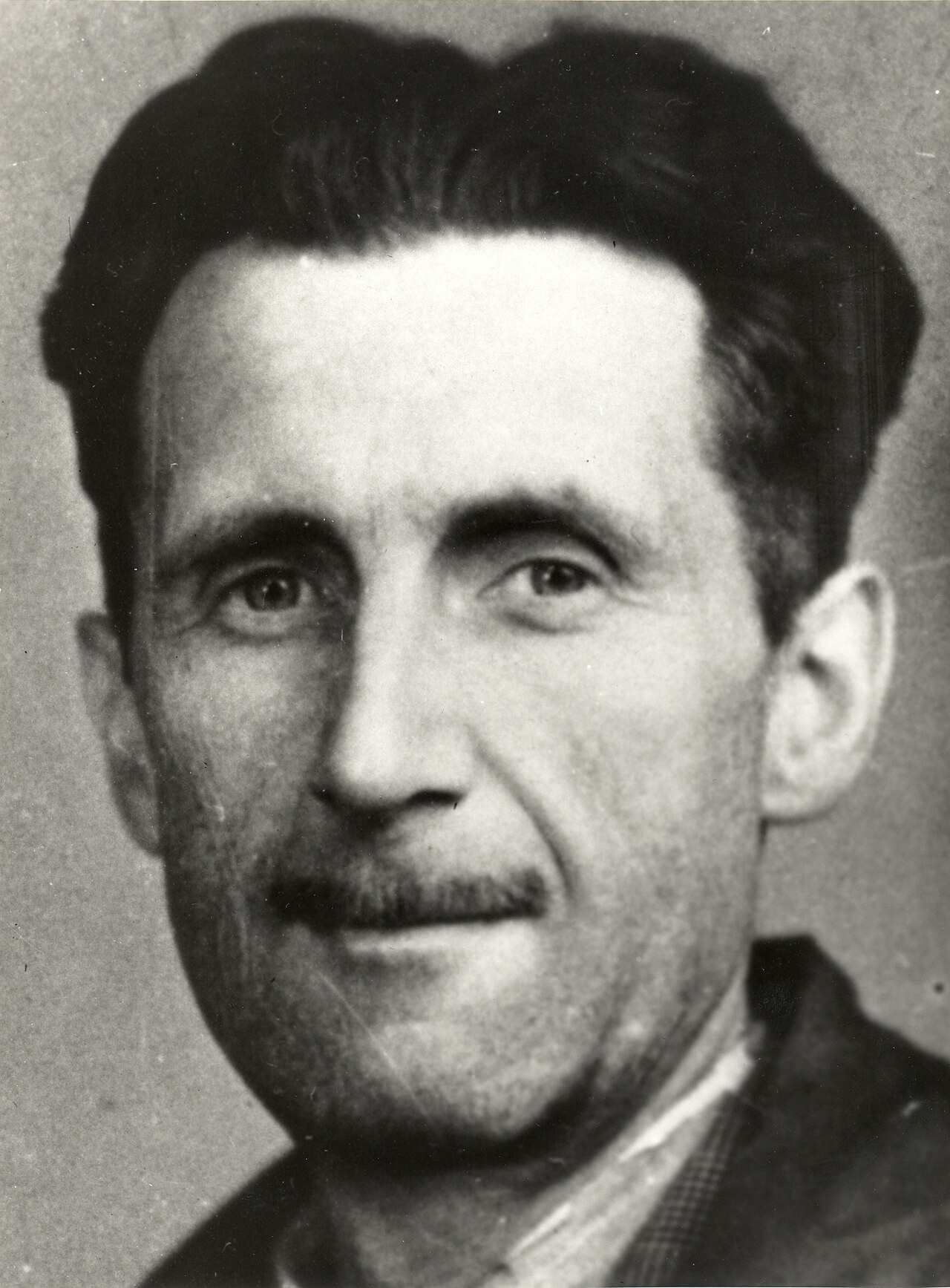
George Orwell, born Eric Arthur Blair on June 25, 1903, in Motihari, India, was a British novelist, essayist, and journalist known for his incisive critiques of totalitarianism and his prophetic vision of the dangers of government overreach. His most famous works, '1984' and 'Animal Farm', have become cultural touchstones, warning against the erosion of individual freedom and the corrupting influence of power. With a Vibe score of 92, Orwell's writing continues to resonate with contemporary audiences, influencing thinkers from Noam Chomsky to Margaret Atwood. His legacy is marked by controversy, with some critics accusing him of being a reactionary, while others see him as a champion of democratic socialism. As a key figure in the development of dystopian literature, Orwell's work has been translated into over 60 languages, with '1984' selling over 20 million copies worldwide. The influence of his ideas can be seen in the work of authors such as Aldous Huxley and Ray Bradbury, and his concept of 'doublethink' has become a widely recognized term in modern political discourse.
📚 Introduction to George Orwell
George Orwell, born Eric Arthur Blair, was a renowned English novelist, poet, essayist, journalist, and critic. His work is characterized by clear and concise writing style, scathing critiques of societal norms, and unwavering opposition to authoritarian regimes. As a proponent of democratic socialist ideals, Orwell's writing often explored the tensions between individual freedom and collective security. His experiences in the Spanish Civil War and World War II significantly shaped his worldview and informed his writing. Through his work, Orwell continues to influence contemporary debates on politics and governance. He is widely regarded as one of the most important writers of the 20th century, with a significant impact on literary theory and criticism.
📰 Literary Career and Influences
Orwell's literary career spanned multiple genres, including novels, essays, and poetry. His early work, such as Down and Out in Paris and London, showcased his ability to craft compelling narratives about social inequality and poverty. As a journalist, Orwell wrote for various publications, including The New Yorker and The Paris Review. His essays, collected in Shooting an Elephant and Other Essays, demonstrate his mastery of the essay form and his commitment to free expression. Orwell's writing was influenced by other notable authors, including George Eliot and Virginia Woolf. He was also a member of the Fabian Society, a British socialist organization that advocated for gradual social reform.
🔍 Critique of Totalitarianism
Orwell's critique of totalitarianism is a hallmark of his work. In 1984, he depicts a dystopian future where the government exercises total control over its citizens, suppressing individual freedom and autonomy. This classic novel serves as a warning about the dangers of government surveillance and censorship. Similarly, in Animal Farm, Orwell uses the allegory of a farm to explore the corrupting influence of power and the dangers of totalitarianism. These works demonstrate Orwell's profound understanding of the human condition and his ability to craft compelling narratives that explore complex political and philosophical themes. His writing has been widely praised for its clarity and insight, and he is often regarded as one of the most important political commentators of the 20th century.
📝 Notable Works: 1984 and Animal Farm
Orwell's notable works, particularly 1984 and Animal Farm, have had a profound impact on modern literature and politics. These novels have been translated into numerous languages and continue to be widely read and studied today. The themes and motifs explored in these works, such as government control and manipulation, propaganda and disinformation, and resistance and rebellion, remain relevant in contemporary society. Orwell's writing has influenced a wide range of authors, including Ray Bradbury and Margaret Atwood. His work continues to be a powerful warning about the dangers of authoritarianism and the erosion of civil liberties.
🌎 Impact on Politics and Society
Orwell's impact on politics and society extends beyond his literary work. His essays and articles, such as Politics and the English Language, have been widely influential in shaping public discourse on language and politics. His concept of doublethink, which refers to the ability to hold two contradictory ideas simultaneously, has become a widely recognized term in political discourse. Orwell's critique of totalitarianism has also informed contemporary debates on human rights and democracy. His work continues to be widely studied and referenced in academic circles, and his ideas remain a powerful force in shaping public opinion on politics and governance.
📰 Journalism and Essay Writing
Orwell's journalism and essay writing demonstrate his mastery of nonfiction writing and his ability to craft compelling narratives about current events and social issues. His essays, such as Shooting an Elephant, showcase his ability to explore complex moral dilemmas and philosophical themes. As a journalist, Orwell wrote for various publications, including The New Yorker and The Paris Review. His work as a journalist and essayist has had a profound impact on the development of literary journalism and creative nonfiction.
📊 Influence on Modern Literature
Orwell's influence on modern literature is immense. His work has inspired a wide range of authors, including Don DeLillo and Haruki Murakami. His exploration of dystopian themes and science fiction has influenced the development of these genres. Orwell's writing has also been widely praised for its lyricism and literary merit, and he is often regarded as one of the most important literary figures of the 20th century. His work continues to be widely studied and referenced in academic circles, and his ideas remain a powerful force in shaping public opinion on politics and governance.
🔥 Controversies and Criticisms
Despite his widespread influence and acclaim, Orwell's work has not been without controversy. Some critics have accused him of elitism and intellectual snobbery, while others have criticized his anti-communist views and his support for imperialism. Orwell's depiction of totalitarian regimes has also been criticized for its simplification and lack of nuance. However, Orwell's work continues to be widely admired and respected for its insight and intellectual honesty. His writing has had a profound impact on modern literature and politics, and his ideas remain a powerful force in shaping public discourse on politics and governance.
👀 Legacy and Timeless Relevance
Orwell's legacy and timeless relevance are a testament to the enduring power of his ideas and his writing. His work continues to be widely read and studied today, and his influence can be seen in a wide range of fields, from literary criticism to political philosophy. As a visionary critic of totalitarianism, Orwell's writing serves as a powerful warning about the dangers of authoritarianism and the erosion of civil liberties. His work continues to inspire new generations of writers, thinkers, and activists, and his ideas remain a powerful force in shaping public opinion on politics and governance.
Key Facts
- Year
- 1903
- Origin
- Motihari, India
- Category
- Literature, Politics, Philosophy
- Type
- Person
Frequently Asked Questions
What was George Orwell's real name?
George Orwell's real name was Eric Arthur Blair. He was born on June 25, 1903, in Motihari, Bengal, British India. Orwell adopted the pen name 'George Orwell' in 1933, reportedly because he liked the sound of the name and wanted to distinguish his writing from his personal life.
What is the significance of George Orwell's work?
George Orwell's work is significant because it provides a powerful critique of totalitarianism and a warning about the dangers of authoritarianism. His writing explores complex themes such as government control, propaganda, and resistance, and his ideas remain relevant in contemporary society. Orwell's work has had a profound impact on modern literature and politics, and his influence can be seen in a wide range of fields, from literary criticism to political philosophy.
What are some of George Orwell's most notable works?
Some of George Orwell's most notable works include 1984, Animal Farm, Down and Out in Paris and London, and Shooting an Elephant and Other Essays. These works demonstrate Orwell's mastery of literary fiction, nonfiction, and essay writing, and showcase his ability to craft compelling narratives about complex social and political issues.
What was George Orwell's view on politics?
George Orwell was a democratic socialist who believed in the importance of individual freedom and autonomy. He was a fierce critic of totalitarianism and authoritarianism, and his writing often explored the tensions between individual liberty and collective security. Orwell's political views were shaped by his experiences in the Spanish Civil War and World War II, and he was a vocal advocate for human rights and democracy.
How has George Orwell's work influenced modern literature?
George Orwell's work has had a profound influence on modern literature. His exploration of dystopian themes and science fiction has influenced the development of these genres, and his writing has inspired a wide range of authors, including Don DeLillo and Haruki Murakami. Orwell's work has also been widely praised for its literary merit, and he is often regarded as one of the most important literary figures of the 20th century.
What is the controversy surrounding George Orwell's work?
Despite his widespread influence and acclaim, George Orwell's work has not been without controversy. Some critics have accused him of elitism and intellectual snobbery, while others have criticized his anti-communist views and his support for imperialism. Orwell's depiction of totalitarian regimes has also been criticized for its simplification and lack of nuance. However, Orwell's work continues to be widely admired and respected for its insight and intellectual honesty.
What is George Orwell's legacy?
George Orwell's legacy is a testament to the enduring power of his ideas and his writing. His work continues to be widely read and studied today, and his influence can be seen in a wide range of fields, from literary criticism to political philosophy. As a visionary critic of totalitarianism, Orwell's writing serves as a powerful warning about the dangers of authoritarianism and the erosion of civil liberties. His work continues to inspire new generations of writers, thinkers, and activists, and his ideas remain a powerful force in shaping public opinion on politics and governance.