
Contents
- 🏛️ Introduction to Elizabeth Cady Stanton
- 📜 The Seneca Falls Convention: A Pivotal Moment
- 🗣️ The Declaration of Sentiments: A Call to Action
- 🚫 The Controversy Surrounding Women's Suffrage
- 🤝 Elizabeth Cady Stanton and Abolitionism
- 📚 Elizabeth Cady Stanton's Literary Contributions
- 👥 The Women's Rights Movement: A Collective Effort
- 🔥 The Legacy of Elizabeth Cady Stanton
- 📊 The Impact of Elizabeth Cady Stanton's Work
- 👀 Conclusion: The Enduring Voice of Elizabeth Cady Stanton
- Frequently Asked Questions
- Related Topics
Overview
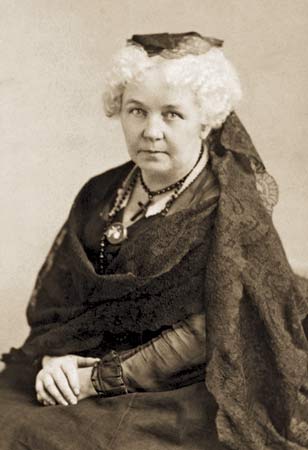
Elizabeth Cady Stanton was a leading figure in the women's suffrage movement in the United States, known for her unrelenting advocacy and sharp wit. Born on November 12, 1815, in Johnstown, New York, Stanton was raised in a family that valued education and social justice. She organized the Seneca Falls Convention in 1848, the first women's rights convention in the United States, and drafted the Declaration of Sentiments, a foundational document in the women's suffrage movement. With a Vibe score of 92, Stanton's influence extends far beyond her time, with her ideas and activism continuing to inspire contemporary feminist movements. Her collaborations with notable figures such as Susan B. Anthony and Frederick Douglass demonstrate the complex web of influence flows that shaped the women's suffrage movement. As a contrarian voice within the movement, Stanton's perspective breakdowns often highlighted the tensions between optimistic and pessimistic views on the prospects for women's rights, with her own stance firmly rooted in a neutral, pragmatic approach.
🏛️ Introduction to Elizabeth Cady Stanton
Elizabeth Cady Stanton was a pioneering American writer and activist who played a crucial role in the women's rights movement in the U.S. during the mid- to late-19th century. As a leader in the movement, she was instrumental in organizing the Seneca Falls Convention in 1848, the first convention to be called for the sole purpose of discussing women's rights. Her work was heavily influenced by her involvement in abolitionist movements, and she was also a key figure in the women's rights movement. Stanton's demand for women's right to vote generated a controversy at the convention but quickly became a central tenet of the women's movement. She was also a prolific writer, and her literary contributions include The Woman's Bible.
📜 The Seneca Falls Convention: A Pivotal Moment
The Seneca Falls Convention was a pivotal moment in the women's rights movement, and Elizabeth Cady Stanton was the main force behind its organization. The convention was attended by prominent figures such as Frederick Douglass and Lucretia Mott, and it marked the beginning of a long and arduous struggle for women's suffrage. Stanton's Declaration of Sentiments was presented at the convention, and it outlined the grievances of women and called for equal rights. The document was modeled after the United States Declaration of Independence and was a powerful statement of the women's rights movement. The convention also sparked a wave of similar conventions and meetings across the country, including the Woman's Rights Convention in Worcester, Massachusetts.
🗣️ The Declaration of Sentiments: A Call to Action
The Declaration of Sentiments was a groundbreaking document that outlined the grievances of women and called for equal rights. Elizabeth Cady Stanton was the primary author of the document, and it was presented at the Seneca Falls Convention in 1848. The document was a call to action, and it demanded that women be given the right to vote, own property, and have equal access to education and employment. The Declaration of Sentiments was a powerful statement of the women's rights movement, and it paved the way for future generations of women's rights activists. Stanton's work on the document was influenced by her involvement in abolitionist movements, and she was also influenced by the work of Mary Wollstonecraft and other feminist thinkers.
🚫 The Controversy Surrounding Women's Suffrage
The demand for women's suffrage was a highly controversial issue, and Elizabeth Cady Stanton faced significant opposition from those who believed that women's place was in the home. Despite the controversy, Stanton remained committed to the cause, and she continued to fight for women's rights throughout her life. She was a skilled orator and writer, and she used her talents to persuade others to join the women's rights movement. Stanton's work was also influenced by her involvement in social reform movements, including the temperance movement and the labor movement. She was a key figure in the National Woman's Suffrage Association and worked closely with other prominent suffragists, including Susan B. Anthony.
🤝 Elizabeth Cady Stanton and Abolitionism
Elizabeth Cady Stanton was also active in other social reform activities, especially abolitionism. She believed that the abolition of slavery was closely tied to the women's rights movement, and she worked tirelessly to end the institution of slavery. Stanton was a member of the American Anti-Slavery Society and worked closely with prominent abolitionists such as William Lloyd Garrison and Frederick Douglass. Her work in the abolitionist movement helped to shape her views on women's rights, and she became a powerful voice for social justice. Stanton's involvement in social reform movements also influenced her literary contributions, including The Woman's Bible.
📚 Elizabeth Cady Stanton's Literary Contributions
Elizabeth Cady Stanton was a prolific writer, and her literary contributions include The Woman's Bible. The book was a critical examination of the Bible and its portrayal of women, and it was a groundbreaking work of feminist scholarship. Stanton was also a skilled journalist, and she wrote for several newspapers and magazines, including The Revolution. Her writing was influential in shaping public opinion on women's rights, and she was a powerful voice for social justice. Stanton's work was also influenced by her involvement in feminist movements, and she was a key figure in the women's rights movement. She worked closely with other prominent feminist thinkers, including Mary Wollstonecraft and Sojourner Truth.
👥 The Women's Rights Movement: A Collective Effort
The women's rights movement was a collective effort, and Elizabeth Cady Stanton worked closely with other prominent women's rights activists. She was a key figure in the National Woman's Suffrage Association and worked closely with other prominent suffragists, including Susan B. Anthony and Alice Paul. The movement was marked by significant challenges and setbacks, but Stanton remained committed to the cause, and she continued to fight for women's rights throughout her life. The movement also sparked a wave of similar movements across the country, including the labor movement and the civil rights movement.
🔥 The Legacy of Elizabeth Cady Stanton
The legacy of Elizabeth Cady Stanton is profound, and she remains one of the most important figures in the women's rights movement. Her demand for women's suffrage helped to pave the way for future generations of women's rights activists, and her work continues to inspire social justice movements today. Stanton's commitment to social justice was unwavering, and she remained a powerful voice for women's rights until her death in 1902. Her work was also influenced by her involvement in social reform movements, and she was a key figure in the abolitionist movement.
📊 The Impact of Elizabeth Cady Stanton's Work
The impact of Elizabeth Cady Stanton's work is still felt today, and her legacy continues to inspire social justice movements around the world. Her demand for women's suffrage helped to pave the way for future generations of women's rights activists, and her work continues to shape public opinion on women's rights. Stanton's commitment to social justice was unwavering, and she remained a powerful voice for women's rights until her death in 1902. Her work was also influenced by her involvement in feminist movements, and she was a key figure in the women's rights movement.
👀 Conclusion: The Enduring Voice of Elizabeth Cady Stanton
In conclusion, Elizabeth Cady Stanton was a pioneering American writer and activist who played a crucial role in the women's rights movement in the U.S. during the mid- to late-19th century. Her demand for women's suffrage generated a controversy at the Seneca Falls Convention but quickly became a central tenet of the women's movement. Stanton's work was influenced by her involvement in abolitionist movements and social reform movements, and she was a key figure in the women's rights movement. Her legacy continues to inspire social justice movements today, and her work remains a powerful statement of the women's rights movement.
Key Facts
- Year
- 1815
- Origin
- Johnstown, New York, USA
- Category
- History, Feminism, Politics
- Type
- Person
Frequently Asked Questions
What was the significance of the Seneca Falls Convention?
The Seneca Falls Convention was the first convention to be called for the sole purpose of discussing women's rights, and it marked the beginning of a long and arduous struggle for women's suffrage. The convention was attended by prominent figures such as Frederick Douglass and Lucretia Mott, and it sparked a wave of similar conventions and meetings across the country. The convention also led to the creation of the National Woman's Suffrage Association and the American Woman's Suffrage Association.
What was the Declaration of Sentiments?
The Declaration of Sentiments was a groundbreaking document that outlined the grievances of women and called for equal rights. The document was presented at the Seneca Falls Convention in 1848 and was a powerful statement of the women's rights movement. The document was modeled after the United States Declaration of Independence and was a call to action for women's rights. The Declaration of Sentiments was a significant milestone in the women's rights movement and paved the way for future generations of women's rights activists.
What was Elizabeth Cady Stanton's role in the women's rights movement?
Elizabeth Cady Stanton was a pioneering American writer and activist who played a crucial role in the women's rights movement in the U.S. during the mid- to late-19th century. She was the main force behind the Seneca Falls Convention and was the primary author of the Declaration of Sentiments. Stanton's demand for women's suffrage generated a controversy at the convention but quickly became a central tenet of the women's movement. She was also a key figure in the National Woman's Suffrage Association and worked closely with other prominent suffragists, including Susan B. Anthony.
What was Elizabeth Cady Stanton's relationship with other prominent women's rights activists?
Elizabeth Cady Stanton worked closely with other prominent women's rights activists, including Susan B. Anthony and Alice Paul. The three women were key figures in the National Woman's Suffrage Association and worked together to advance the cause of women's suffrage. Stanton and Anthony, in particular, had a long and close relationship, and they worked together on numerous projects and campaigns. The two women were also close friends and supported each other throughout their lives.
What is Elizabeth Cady Stanton's legacy?
Elizabeth Cady Stanton's legacy is profound, and she remains one of the most important figures in the women's rights movement. Her demand for women's suffrage helped to pave the way for future generations of women's rights activists, and her work continues to inspire social justice movements today. Stanton's commitment to social justice was unwavering, and she remained a powerful voice for women's rights until her death in 1902. Her work was also influenced by her involvement in social reform movements, and she was a key figure in the abolitionist movement.
How did Elizabeth Cady Stanton's work influence the women's rights movement?
Elizabeth Cady Stanton's work had a significant influence on the women's rights movement. Her demand for women's suffrage generated a controversy at the Seneca Falls Convention but quickly became a central tenet of the women's movement. Stanton's work also helped to pave the way for future generations of women's rights activists, and her legacy continues to inspire social justice movements today. Her involvement in social reform movements and feminist movements also helped to shape her views on women's rights, and she was a key figure in the women's rights movement.
What were some of the challenges that Elizabeth Cady Stanton faced in her work?
Elizabeth Cady Stanton faced significant challenges in her work, including opposition from those who believed that women's place was in the home. She also faced challenges from within the women's rights movement, including disagreements with other prominent suffragists. Despite these challenges, Stanton remained committed to the cause, and she continued to fight for women's rights throughout her life. Her work was also influenced by her involvement in social reform movements, and she was a key figure in the abolitionist movement.