
Contents
- 🎯 Introduction to OTC Drugs
- ⚙️ Regulation and Safety
- 📊 Market and Usage
- 👥 Key Players and Manufacturers
- 🌎 Global Accessibility and Impact
- ⚡ Current Trends and Developments
- 🤔 Controversies and Concerns
- 🔮 Future Outlook and Innovations
- 💡 Practical Applications and Advice
- 📚 Related Topics and Resources
- Frequently Asked Questions
- References
- Related Topics
Overview
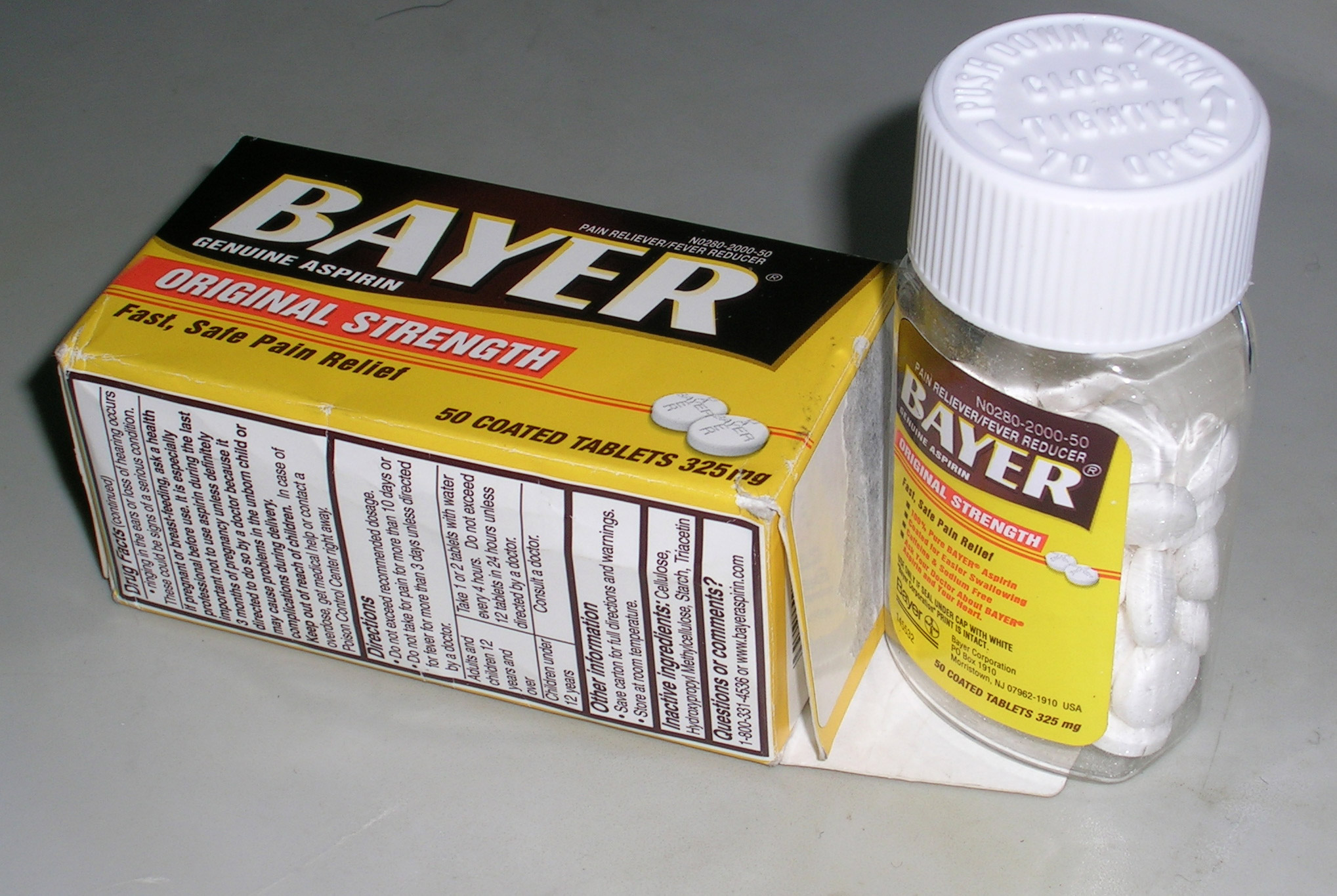
Over-the-counter (OTC) drugs are medicines that can be purchased directly by consumers without a prescription from a healthcare professional, as opposed to prescription drugs. These medications are regulated by agencies such as the US Food and Drug Administration (FDA) to ensure their safety and efficacy. OTC drugs are widely available at pharmacies, supermarkets, and online, making them a convenient option for managing minor health issues. According to the National Institutes of Health (NIH), approximately 80% of adults in the United States use OTC medications, with the global OTC market projected to reach $164 billion by 2025. The use of OTC drugs is not without controversy, with concerns about misuse, overdose, and interactions with other medications. As the World Health Organization (WHO) notes, the responsible use of OTC medications is crucial for maintaining public health.
🎯 Introduction to OTC Drugs
The concept of over-the-counter drugs has been around for centuries, with ancient civilizations using various remedies to treat common ailments. The modern OTC industry began to take shape in the late 19th century, with the establishment of companies like Johnson & Johnson and Pfizer. Today, OTC medications are a vital part of the healthcare system, providing relief for millions of people worldwide. As noted by the American Medical Association (AMA), OTC drugs can be an effective and cost-efficient way to manage minor health issues.
⚙️ Regulation and Safety
The regulation of OTC drugs is a critical aspect of ensuring their safety and efficacy. In the United States, the FDA is responsible for overseeing the OTC market, while in Europe, the European Medicines Agency (EMA) plays a similar role. These agencies evaluate the active pharmaceutical ingredients (APIs) and strengths of final products to determine their suitability for OTC use. For example, the FDA has established strict guidelines for the use of acetaminophen in OTC medications, due to concerns about liver damage.
📊 Market and Usage
The OTC market is a significant sector of the pharmaceutical industry, with global sales projected to reach $164 billion by 2025. Key players in the OTC market include Johnson & Johnson, Pfizer, and GlaxoSmithKline. These companies offer a wide range of OTC products, from pain relievers like Tylenol to allergy medications like Claritin. According to a report by MarketWatch, the OTC market is expected to grow at a compound annual growth rate (CAGR) of 5.5% from 2020 to 2025.
👥 Key Players and Manufacturers
The use of OTC medications is not limited to developed countries. In many parts of the world, OTC drugs are the primary source of healthcare for millions of people. Organizations like the World Health Organization (WHO) and the Bill and Melinda Gates Foundation are working to improve access to OTC medications in developing countries, particularly for diseases like malaria and tuberculosis. For example, the WHO has established a program to provide affordable antimalarial medications to countries in sub-Saharan Africa.
🌎 Global Accessibility and Impact
The current trends in the OTC market are shaped by factors like consumer demand, technological advancements, and regulatory changes. The rise of online shopping and digital health platforms has transformed the way people purchase and interact with OTC medications. Companies like Amazon and Walgreens are leveraging these trends to offer convenient and personalized OTC shopping experiences. According to a report by Forrester, the online OTC market is expected to reach $13.4 billion by 2025.
⚡ Current Trends and Developments
Despite their convenience and accessibility, OTC medications are not without controversy. Concerns about misuse, overdose, and interactions with other medications are common. The Centers for Disease Control and Prevention (CDC) has reported a significant increase in OTC medication-related emergency department visits, highlighting the need for responsible use and education. For example, the CDC has launched a campaign to raise awareness about the risks of opioid abuse and the importance of proper disposal of OTC medications.
🤔 Controversies and Concerns
The future of OTC medications looks promising, with innovations in areas like personalized medicine and digital health. Companies like 23andMe and Fitbit are exploring the potential of genetic testing and wearable devices to enhance OTC medication use. As the National Institutes of Health (NIH) notes, the integration of technology and OTC medications has the potential to revolutionize the way we manage our health. For example, the NIH has funded research on the use of artificial intelligence to develop personalized OTC treatment plans.
🔮 Future Outlook and Innovations
For consumers, the practical applications of OTC medications are numerous. From managing minor aches and pains to treating common allergies, OTC medications can be a valuable resource. However, it is essential to use these medications responsibly and follow the recommended dosage and usage guidelines. As the American Medical Association (AMA) advises, consumers should always read and follow the label instructions and consult with a healthcare professional if they have any questions or concerns.
💡 Practical Applications and Advice
The topic of OTC medications is closely related to other areas of healthcare, such as prescription drugs, vaccines, and alternative medicine. For those interested in learning more, resources like the Mayo Clinic and the National Library of Medicine offer a wealth of information on OTC medications and their uses.
Key Facts
- Year
- 2020
- Origin
- United States
- Category
- prevention
- Type
- concept
Frequently Asked Questions
What are over-the-counter (OTC) medications?
How do I use OTC medications safely?
To use OTC medications safely, always read and follow the label instructions, and consult with a healthcare professional if you have any questions or concerns. It is also important to be aware of potential interactions with other medications and to follow the recommended dosage and usage guidelines. As the American Medical Association (AMA) advises, consumers should always prioritize their health and safety when using OTC medications.
What are some common OTC medications?
Can I buy OTC medications online?
Yes, many OTC medications are available for purchase online from reputable retailers like Amazon and Walgreens. However, it is essential to ensure that you are buying from a legitimate source and to follow the recommended usage guidelines. As the Federal Trade Commission (FTC) notes, consumers should be cautious when buying medications online and should always prioritize their health and safety.
How do OTC medications differ from prescription medications?
OTC medications are available without a prescription and are regulated by agencies like the FDA to ensure their safety and efficacy. Prescription medications, on the other hand, require a prescription from a healthcare professional and are subject to stricter regulation. As the National Institutes of Health (NIH) notes, the main difference between OTC and prescription medications is the level of regulation and oversight.
What are some potential risks associated with OTC medications?
Some potential risks associated with OTC medications include misuse, overdose, and interactions with other medications. It is essential to use OTC medications responsibly and to follow the recommended dosage and usage guidelines. As the Centers for Disease Control and Prevention (CDC) notes, consumers should always be aware of the potential risks and benefits of OTC medications.
How can I report adverse reactions to OTC medications?
If you experience an adverse reaction to an OTC medication, you can report it to the FDA's MedWatch program or contact the manufacturer directly. As the FDA notes, reporting adverse reactions is an important step in ensuring the safety and efficacy of OTC medications.