
Contents
- 🎯 Introduction to Ovarian Cancer
- ⚙️ How Ovarian Cancer Develops
- 📊 Key Facts and Statistics
- 👥 Key People and Organizations
- 🌍 Cultural Impact and Awareness
- ⚡ Current State and Latest Developments
- 🤔 Controversies and Debates
- 🔮 Future Outlook and Predictions
- 💡 Practical Applications and Prevention
- 📚 Related Topics and Deeper Reading
- Frequently Asked Questions
- References
- Related Topics
Overview
Ovarian cancer is a type of cancer that originates in the ovaries, often spreading to nearby structures such as the fallopian tubes or abdominal lining. With symptoms often vague and non-specific, ovarian cancer is frequently diagnosed at an advanced stage, making it one of the most lethal forms of cancer in women. According to the American Cancer Society, approximately 22,000 new cases of ovarian cancer are diagnosed each year in the United States, resulting in over 14,000 deaths. The risk of ovarian cancer increases with age, with most cases developing after menopause, and is also more common in women who have ovulated more over their lifetime. Research by National Institutes of Health has identified several genetic and environmental factors that contribute to the development of ovarian cancer, including mutations in the BRCA1 and BRCA2 genes. Early detection and treatment are critical to improving survival rates, with options including surgery, chemotherapy, and targeted therapy. As noted by Mayo Clinic, a healthy diet and regular exercise may also help reduce the risk of ovarian cancer.
🎯 Introduction to Ovarian Cancer
Ovarian cancer is a complex and multifaceted disease, with various subtypes and stages. The World Health Organization classifies ovarian cancer into several categories, including epithelial, germ cell, and stromal cell tumors. Each subtype has distinct characteristics and treatment options, as outlined by [[cancer-research-uk|Cancer Research UK]. The exact causes of ovarian cancer are still not fully understood, but research has identified several risk factors, including genetic mutations, family history, and hormonal influences. For example, women with a family history of ovarian cancer are more likely to develop the disease, as noted by [[ovarian-cancer-research-fund|Ovarian Cancer Research Fund].
⚙️ How Ovarian Cancer Develops
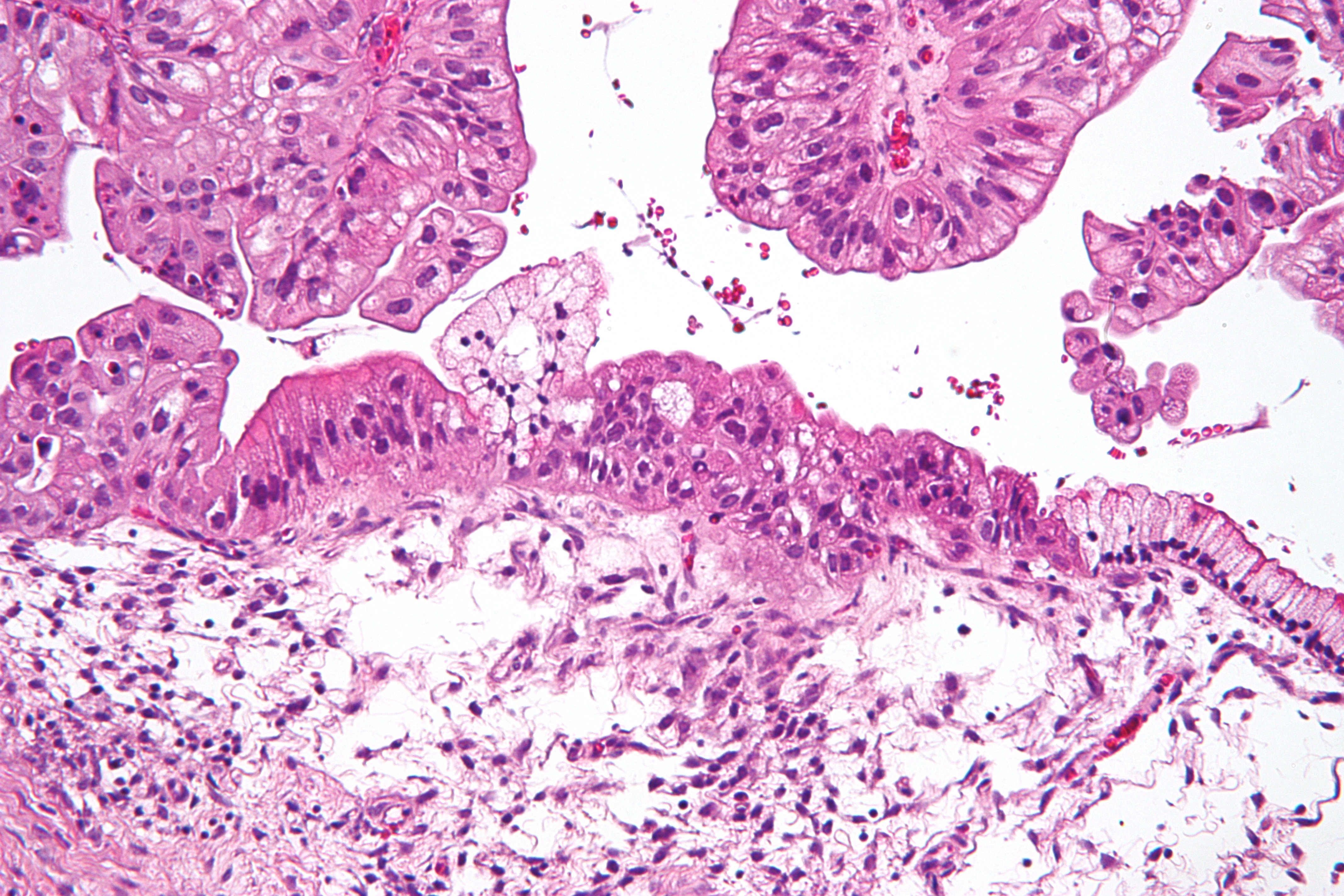
The development of ovarian cancer involves the abnormal growth and division of cells in the ovaries. This process can be triggered by genetic mutations, environmental factors, or a combination of both. As explained by [[stanford-health-care|Stanford Health Care], the ovaries are made up of three different cell types, including epithelial cells, germ cells, and stromal cells. When these cells become abnormal, they can form tumors and invade nearby tissues. The [[national-cancer-institute|National Cancer Institute] provides detailed information on the biology of ovarian cancer and the latest research on its development.
📊 Key Facts and Statistics
Ovarian cancer is a significant public health concern, with thousands of new cases diagnosed each year. According to the [[centers-for-disease-control-and-prevention|Centers for Disease Control and Prevention], the incidence of ovarian cancer is highest among women aged 55-64. The disease is often diagnosed at an advanced stage, when symptoms become more noticeable. Common symptoms include bloating, vaginal bleeding, pelvic pain, and abdominal swelling. The [[american-college-of-obstetricians-and-gynecologists|American College of Obstetricians and Gynecologists] provides guidance on the diagnosis and treatment of ovarian cancer.
👥 Key People and Organizations
Several key people and organizations are involved in the research, diagnosis, and treatment of ovarian cancer. The [[ovarian-cancer-research-fund|Ovarian Cancer Research Fund] is a leading organization dedicated to funding research and raising awareness about the disease. Other notable organizations include the [[national-ovarian-cancer-coalition|National Ovarian Cancer Coalition] and the [[ovarian-cancer-awareness-organization|Ovarian Cancer Awareness Organization]. Researchers such as [[dr-susan-bauer|Dr. Susan Bauer] and [[dr-james-risinger|Dr. James Risinger] are working to develop new treatments and improve our understanding of the disease.
🌍 Cultural Impact and Awareness
Ovarian cancer has a significant cultural impact, with many women and families affected by the disease. The [[ovarian-cancer-awareness-month|Ovarian Cancer Awareness Month] is observed in September to raise awareness and promote education about the disease. The [[teal-ribbon|Teal Ribbon] is a symbol of ovarian cancer awareness, and many organizations and individuals participate in fundraising events and campaigns to support research and awareness efforts. As noted by [[people-magazine|People Magazine], ovarian cancer has affected many celebrities, including [[giuliana-rancic|Giuliana Rancic] and [[sharon-osbourne|Sharon Osbourne].
⚡ Current State and Latest Developments
The current state of ovarian cancer research and treatment is rapidly evolving, with new developments and advancements emerging regularly. The [[food-and-drug-administration|Food and Drug Administration] has approved several new treatments for ovarian cancer in recent years, including [[parp-inhibitors|PARP inhibitors] and [[immunotherapy|immunotherapy]. Researchers are also exploring new approaches to diagnosis and treatment, such as [[liquid-biopsy|liquid biopsy] and [[personalized-medicine|personalized medicine]. The [[journal-of-clinical-oncology|Journal of Clinical Oncology] provides updates on the latest research and developments in the field.
🤔 Controversies and Debates
Despite the progress made in ovarian cancer research and treatment, there are still many controversies and debates surrounding the disease. One of the main controversies is the lack of effective screening methods for ovarian cancer, as noted by [[the-lancet|The Lancet]. The [[us-preventive-services-task-force|US Preventive Services Task Force] recommends against routine screening for ovarian cancer in asymptomatic women, citing the lack of evidence for its effectiveness. However, some organizations, such as the [[ovarian-cancer-research-fund|Ovarian Cancer Research Fund], advocate for increased funding for research into screening methods.
🔮 Future Outlook and Predictions
The future outlook for ovarian cancer is complex and multifaceted. While there have been significant advancements in treatment and research, there is still much work to be done to improve survival rates and reduce the risk of the disease. The [[national-cancer-institute|National Cancer Institute] predicts that the incidence of ovarian cancer will continue to rise in the coming years, making it essential to develop more effective prevention and treatment strategies. Researchers are exploring new approaches, such as [[cancer-vaccines|cancer vaccines] and [[gene-therapy|gene therapy], to improve treatment options and reduce the risk of recurrence.
💡 Practical Applications and Prevention
Practical applications and prevention strategies are critical to reducing the risk of ovarian cancer. The [[american-cancer-society|American Cancer Society] recommends a healthy diet and regular exercise to reduce the risk of ovarian cancer. Women can also take steps to reduce their risk by maintaining a healthy weight, avoiding tobacco, and limiting their use of hormone replacement therapy. The [[mayo-clinic|Mayo Clinic] provides guidance on lifestyle changes and prevention strategies for ovarian cancer.
Key Facts
- Year
- 2022
- Origin
- United States
- Category
- chronic-conditions
- Type
- disease
Frequently Asked Questions
What are the symptoms of ovarian cancer?
The symptoms of ovarian cancer can be vague and non-specific, but may include bloating, vaginal bleeding, pelvic pain, and abdominal swelling. According to the [[american-cancer-society|American Cancer Society], these symptoms can be similar to those of other conditions, making it essential to consult a healthcare provider for an accurate diagnosis.
How is ovarian cancer diagnosed?
Ovarian cancer is typically diagnosed through a combination of physical examination, imaging tests, and biopsy. The [[national-cancer-institute|National Cancer Institute] provides detailed information on the diagnosis and staging of ovarian cancer.
What are the treatment options for ovarian cancer?
The treatment options for ovarian cancer depend on the stage and type of cancer, but may include surgery, chemotherapy, and targeted therapy. The [[mayo-clinic|Mayo Clinic] provides guidance on the latest treatment options and clinical trials for ovarian cancer.
Can ovarian cancer be prevented?
While there is no sure way to prevent ovarian cancer, women can take steps to reduce their risk by maintaining a healthy weight, avoiding tobacco, and limiting their use of hormone replacement therapy. The [[ovarian-cancer-research-fund|Ovarian Cancer Research Fund] provides information on prevention strategies and risk reduction.
What is the prognosis for ovarian cancer?
The prognosis for ovarian cancer depends on the stage and type of cancer, as well as the individual's overall health. According to the [[centers-for-disease-control-and-prevention|Centers for Disease Control and Prevention], the 5-year survival rate for ovarian cancer is approximately 47%.
Are there any new developments in ovarian cancer research?
Yes, there are several new developments in ovarian cancer research, including the use of PARP inhibitors and immunotherapy. The [[journal-of-clinical-oncology|Journal of Clinical Oncology] provides updates on the latest research and developments in the field.
How can I get involved in ovarian cancer awareness and research?
There are many ways to get involved in ovarian cancer awareness and research, including participating in fundraising events, volunteering with organizations, and spreading awareness about the disease. The [[ovarian-cancer-awareness-organization|Ovarian Cancer Awareness Organization] provides information on how to get involved and make a difference.