
Contents
Overview
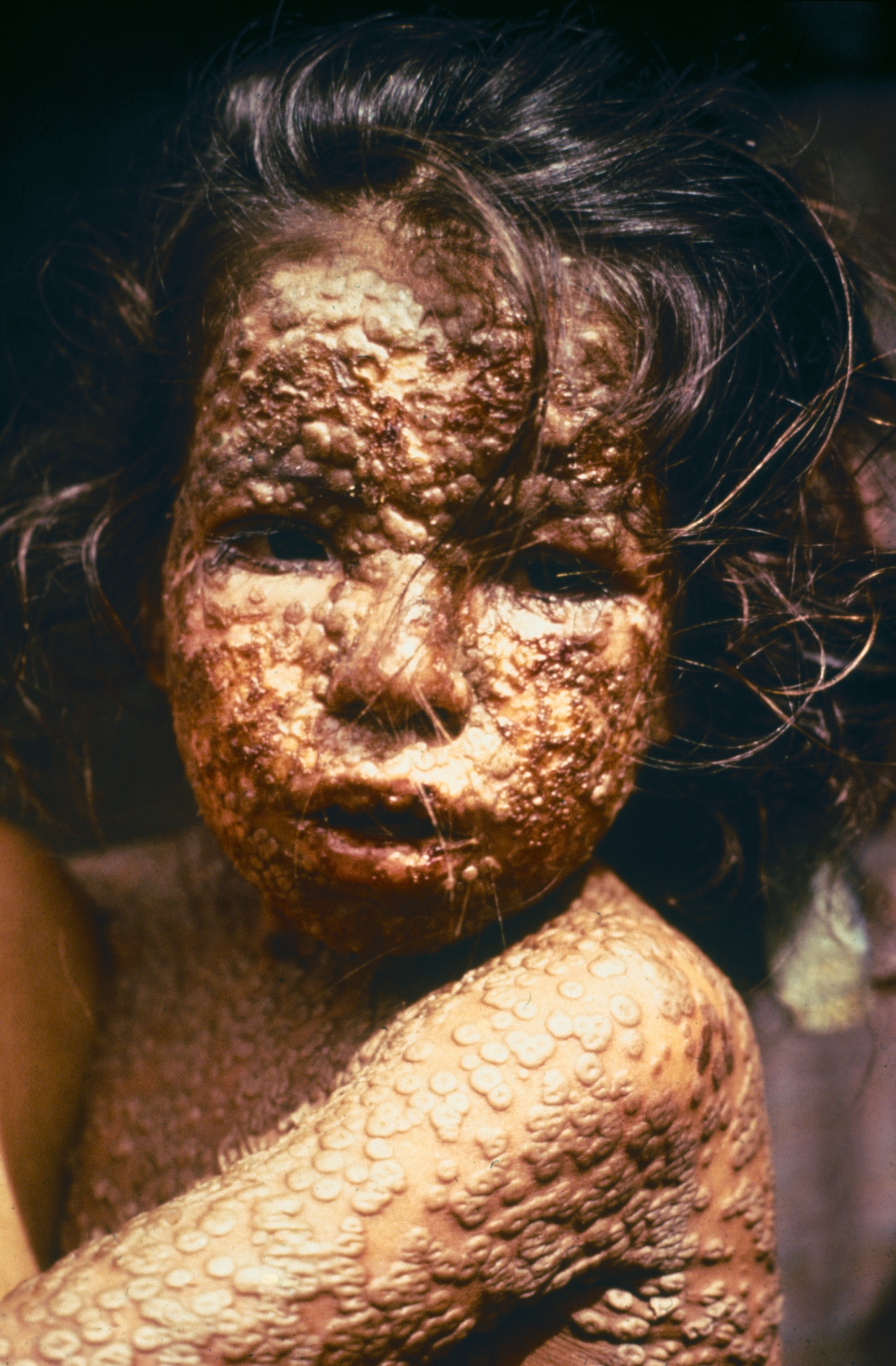
The official eradication of smallpox was the result of a decades-long global effort, involving the coordination of healthcare workers, governments, and communities worldwide. The World Health Organization (WHO) played a crucial role in leading the campaign, with the support of organizations such as the Centers for Disease Control and Prevention (CDC) and the UNICEF. The campaign involved the development and distribution of the smallpox vaccine, which was first introduced by Edward Jenner in 1796. The vaccine was widely used in the 19th and 20th centuries, and its effectiveness was instrumental in reducing the incidence of smallpox.
💉 Vaccination Campaign
The vaccination campaign against smallpox was a massive undertaking, requiring the coordination of healthcare workers, governments, and communities worldwide. The campaign involved the use of a freeze-dried vaccine, which was developed by Michael Hirt and his team at the WHO. The vaccine was distributed to countries around the world, where it was administered to millions of people. The campaign was successful in reducing the incidence of smallpox, and the last naturally occurring case was diagnosed in October 1977. The CDC and the WHO worked closely together to verify the eradication of the disease.
📊 Impact and Legacy
The official eradication of smallpox has had a significant impact on public health, saving millions of lives and preventing countless cases of illness and disability. The campaign has also had a lasting legacy, demonstrating the power of global cooperation and the importance of vaccination in preventing infectious diseases. The Bill and Melinda Gates Foundation has continued to support vaccination efforts worldwide, building on the success of the smallpox campaign. The eradication of smallpox has also inspired efforts to eliminate other infectious diseases, such as polio and measles.
👥 Key Players
The official eradication of smallpox was the result of the efforts of many individuals and organizations, including healthcare workers, scientists, and policymakers. Key players in the campaign included Donald Henderson, who led the WHO's smallpox eradication program, and William Foege, who developed the surveillance and containment strategy that was used to track and eliminate the disease. The WHO and the CDC also played critical roles in the campaign, providing technical assistance and support to countries around the world.
Key Facts
- Year
- 1980
- Origin
- global
- Category
- public-health
- Type
- event
Frequently Asked Questions
What was the last naturally occurring case of smallpox?
How was smallpox eradicated?
Smallpox was eradicated through a global vaccination campaign, led by the WHO and supported by organizations such as the CDC and UNICEF. The campaign involved the development and distribution of a freeze-dried vaccine, which was administered to millions of people around the world. The Bill and Melinda Gates Foundation has continued to support vaccination efforts worldwide, building on the success of the smallpox campaign.
What was the impact of the smallpox eradication campaign?
The smallpox eradication campaign has had a significant impact on public health, saving millions of lives and preventing countless cases of illness and disability. The campaign has also had a lasting legacy, demonstrating the power of global cooperation and the importance of vaccination in preventing infectious diseases. The WHO and the CDC have continued to work together to eliminate other infectious diseases, such as polio and measles.
Who were the key players in the smallpox eradication campaign?
The key players in the smallpox eradication campaign included Donald Henderson, who led the WHO's smallpox eradication program, and William Foege, who developed the surveillance and containment strategy that was used to track and eliminate the disease. The UNICEF and the CDC also played critical roles in the campaign, providing technical assistance and support to countries around the world.
What is the significance of the smallpox eradication campaign?
The smallpox eradication campaign is significant because it demonstrates the power of global cooperation and the importance of vaccination in preventing infectious diseases. The campaign has also inspired efforts to eliminate other infectious diseases, such as polio and measles. The WHO and the CDC have continued to work together to eliminate these diseases, building on the success of the smallpox campaign.