
Contents
- 🎵 Origins & History
- ⚙️ How It Works
- 📊 Key Facts & Numbers
- 👥 Key People & Organizations
- 🌍 Cultural Impact & Influence
- ⚡ Current State & Latest Developments
- 🤔 Controversies & Debates
- 🔮 Future Outlook & Predictions
- 💡 Practical Applications
- 📚 Related Topics & Deeper Reading
- Frequently Asked Questions
- References
- Related Topics
Overview
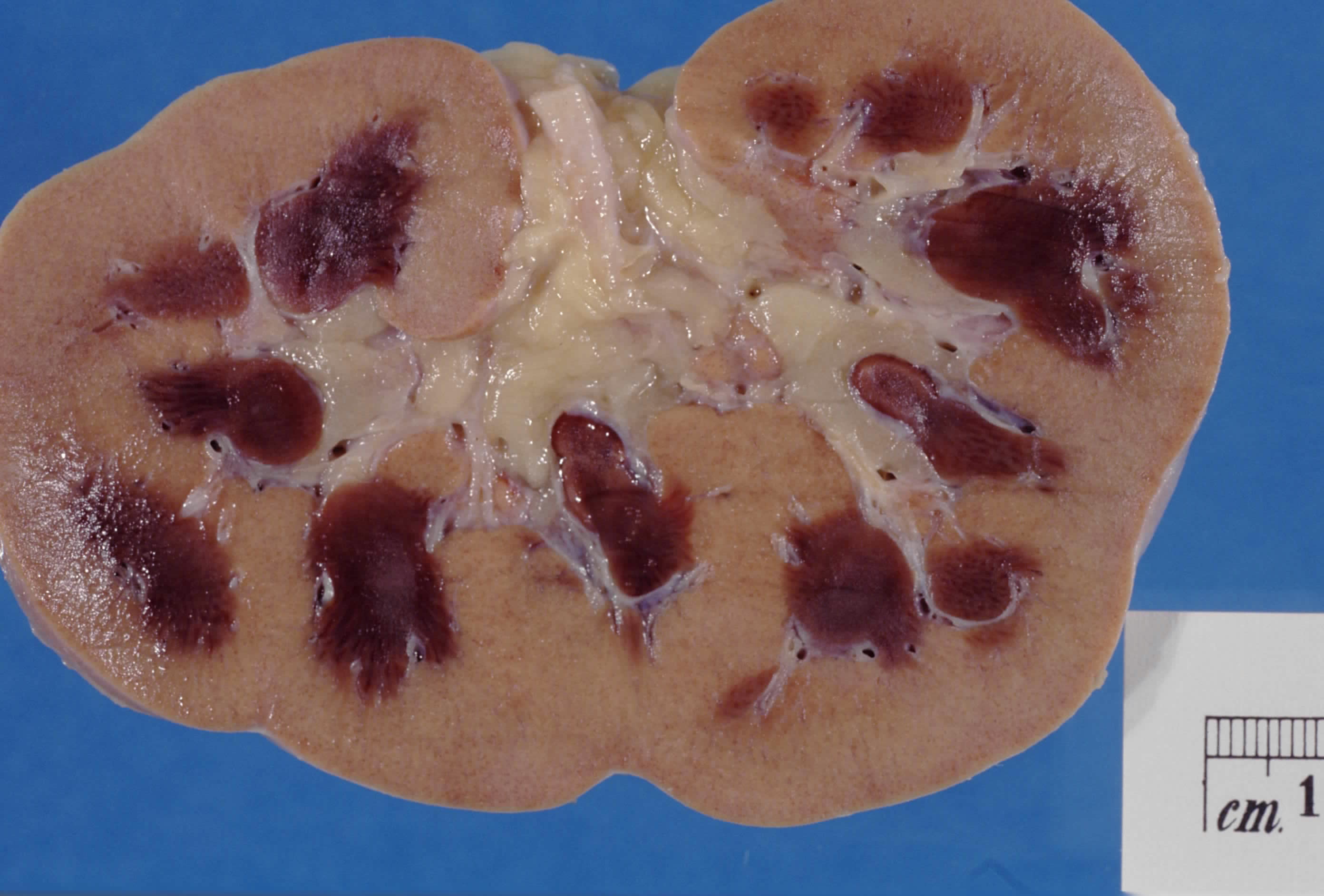
Nephropathy, or kidney disease, encompasses a broad range of pathological conditions affecting the kidneys, which are crucial for removing waste products, regulating electrolytes, and maintaining acid-base balance. Chronic kidney disease (CKD) is a progressive loss of kidney function over at least three months, while acute kidney injury refers to damage over a shorter period. The heterogenous group of kidney diseases can be divided into categories based on the anatomical structures involved, including the glomeruli, tubules, renal interstitium, and renal blood vessels. According to the National Kidney Foundation, approximately 37 million adults in the United States have CKD, with diabetes and hypertension being the leading causes. The World Health Organization (WHO) estimates that kidney disease is responsible for over 850,000 deaths worldwide each year. As research continues to uncover the complexities of nephropathy, it is essential to understand the various types, symptoms, and treatment options available to manage and prevent kidney disease. With the help of organizations like the American Kidney Fund and the Kidney Disease: Improving Global Outcomes (KDIGO) initiative, patients and healthcare professionals can work together to improve kidney health and reduce the burden of nephropathy.
🎵 Origins & History
Nephropathy has a long and complex history, with evidence of kidney disease dating back to ancient civilizations. The term 'nephropathy' was first used in the 19th century to describe diseases of the kidney. Over time, our understanding of kidney function and disease has evolved, with significant advances in diagnosis, treatment, and management. For example, the development of dialysis in the 1940s revolutionized the treatment of acute kidney injury, while the introduction of kidney transplantation in the 1950s provided a new option for patients with end-stage renal disease. Today, researchers like Dr. Gary Gibbons and Dr. George L. Bakris continue to study the causes and consequences of nephropathy, with a focus on developing new therapies and improving patient outcomes.
⚙️ How It Works
Nephropathy can be caused by a variety of factors, including diabetes, hypertension, and genetic disorders. The disease can affect different parts of the kidney, including the glomeruli, tubules, and renal interstitium. Understanding how nephropathy works is crucial for developing effective treatment strategies. For instance, the use of ACE inhibitors and ARBs has been shown to slow the progression of CKD in patients with diabetes. Additionally, lifestyle modifications, such as a healthy diet and regular exercise, can help manage blood pressure and reduce the risk of kidney disease.
📊 Key Facts & Numbers
Key facts and numbers about nephropathy include: approximately 10% of adults worldwide have CKD, with the prevalence increasing to over 30% in individuals aged 65 and older. In the United States, the annual cost of treating kidney disease is estimated to be over $100 billion. The most common causes of CKD are diabetes (45%) and hypertension (27%), followed by glomerulonephritis (10%) and polycystic kidney disease (5%). According to the United States Renal Data System (USRDS), the number of patients with end-stage renal disease (ESRD) has increased by over 50% in the past decade, with a significant proportion of these patients requiring dialysis or kidney transplantation.
👥 Key People & Organizations
Key people and organizations involved in the study and treatment of nephropathy include the National Kidney Foundation, the American Kidney Fund, and the Kidney Disease: Improving Global Outcomes (KDIGO) initiative. Researchers like Dr. John Berliner and Dr. Katherine Tuttle have made significant contributions to our understanding of kidney disease, while organizations like the National Institutes of Health (NIH) and the Centers for Disease Control and Prevention (CDC) provide critical funding and support for nephropathy research.
🌍 Cultural Impact & Influence
Nephropathy has a significant cultural impact and influence, with kidney disease affecting individuals from all walks of life. The disease can have a profound impact on a person's quality of life, with many patients requiring ongoing medical care and lifestyle modifications. In some cultures, kidney disease is stigmatized, making it difficult for patients to seek medical attention. However, with the help of organizations like the American Kidney Fund and the National Kidney Foundation, patients and families can access resources and support to manage their condition. For example, the KDIGO initiative has developed clinical practice guidelines for the diagnosis and treatment of CKD, which have been widely adopted by healthcare professionals worldwide.
⚡ Current State & Latest Developments
The current state of nephropathy research and treatment is rapidly evolving, with new therapies and technologies being developed to manage and prevent kidney disease. For instance, the use of AI and ML is being explored to improve diagnosis and treatment outcomes, while the development of new medications, such as SGLT2 inhibitors, has shown promise in reducing the risk of kidney disease progression. Additionally, the increasing availability of kidney transplantation and dialysis has improved the prognosis for patients with end-stage renal disease.
🤔 Controversies & Debates
Controversies and debates surrounding nephropathy include the optimal treatment strategies for patients with CKD, the role of lifestyle modifications in preventing kidney disease, and the impact of socioeconomic factors on kidney health. For example, some researchers argue that the use of low-protein diets can help slow the progression of CKD, while others suggest that the benefits of these diets are limited. Additionally, the high cost of kidney disease treatment has led to concerns about healthcare access and affordability, with organizations like the National Kidney Foundation advocating for increased funding and support for patients with kidney disease.
🔮 Future Outlook & Predictions
The future outlook for nephropathy is promising, with ongoing research and development aimed at improving diagnosis, treatment, and prevention. For instance, the use of personalized medicine and genomics is being explored to develop targeted therapies for patients with kidney disease. Additionally, the increasing focus on preventive care and early intervention is expected to reduce the burden of kidney disease in the coming years. According to the World Health Organization (WHO), the global prevalence of CKD is expected to increase by over 20% by 2025, highlighting the need for continued research and investment in kidney health.
💡 Practical Applications
Practical applications of nephropathy research include the development of new therapies and technologies to manage and prevent kidney disease. For example, the use of telemedicine and remote monitoring is being explored to improve patient outcomes and reduce healthcare costs. Additionally, the increasing availability of kidney disease education and support resources is helping patients and families to better manage their condition and improve their quality of life. Organizations like the American Kidney Fund and the National Kidney Foundation provide critical resources and support for patients with kidney disease, including educational materials, advocacy, and financial assistance.
Key Facts
- Year
- 2022
- Origin
- Global
- Category
- chronic-conditions
- Type
- concept
Frequently Asked Questions
What is nephropathy?
Nephropathy, or kidney disease, encompasses a broad range of pathological conditions affecting the kidneys. The disease can affect different parts of the kidney, including the glomeruli, tubules, and renal interstitium. According to the National Kidney Foundation, approximately 37 million adults in the United States have CKD, with diabetes and hypertension being the leading causes.
What are the symptoms of nephropathy?
The symptoms of nephropathy can vary depending on the underlying cause and severity of the disease. Common symptoms include fatigue, swelling, and changes in urine output. In some cases, patients may experience nausea, vomiting, and abdominal pain. According to the American Kidney Fund, early detection and treatment of kidney disease can significantly improve patient outcomes.
How is nephropathy diagnosed?
Nephropathy is typically diagnosed through a combination of physical examination, medical history, and laboratory tests. These tests may include blood tests to evaluate kidney function, urine tests to detect protein or blood in the urine, and imaging tests to visualize the kidneys. According to the Kidney Disease: Improving Global Outcomes (KDIGO) initiative, the diagnosis of CKD should be based on the presence of kidney damage or decreased kidney function, as indicated by abnormal laboratory test results or imaging studies.
What are the treatment options for nephropathy?
The treatment options for nephropathy depend on the underlying cause and severity of the disease. Lifestyle modifications, such as a healthy diet and regular exercise, can help manage blood pressure and reduce the risk of kidney disease. Medications, such as ACE inhibitors and ARBs, can help slow the progression of CKD. In some cases, patients may require dialysis or kidney transplantation. According to the United States Renal Data System (USRDS), the number of patients with end-stage renal disease (ESRD) has increased by over 50% in the past decade, highlighting the need for continued research and investment in kidney health.
Can nephropathy be prevented?
While some cases of nephropathy may not be preventable, there are steps that can be taken to reduce the risk of developing kidney disease. These include maintaining a healthy weight, exercising regularly, and managing blood pressure and diabetes. According to the World Health Organization (WHO), the global prevalence of CKD is expected to increase by over 20% by 2025, highlighting the need for continued research and investment in kidney health.
What is the prognosis for patients with nephropathy?
The prognosis for patients with nephropathy depends on the underlying cause and severity of the disease. With proper treatment and management, many patients with CKD can lead active and fulfilling lives. However, if left untreated, kidney disease can progress to end-stage renal disease, requiring dialysis or kidney transplantation. According to the National Kidney Foundation, the 5-year survival rate for patients with ESRD is approximately 50%, highlighting the need for early detection and treatment of kidney disease.
What are the latest developments in nephropathy research?
The latest developments in nephropathy research include the use of AI and ML to improve diagnosis and treatment outcomes, as well as the development of new medications and therapies to manage and prevent kidney disease. According to the Kidney Disease: Improving Global Outcomes (KDIGO) initiative, the use of SGLT2 inhibitors has shown promise in reducing the risk of kidney disease progression in patients with CKD.
What are the potential complications of nephropathy?
The potential complications of nephropathy include cardiovascular disease, anemia, and bone disease. According to the American Kidney Fund, patients with CKD are at increased risk of developing these complications, highlighting the need for close monitoring and management of the disease.