
Contents
- 🔍 Introduction to Neodymium
- ⚖️ Properties and Characteristics
- 🔎 Discovery and History
- 💎 Occurrence and Mining
- 📈 Production and Refining
- 🔋 Applications and Uses
- 🚨 Environmental and Health Concerns
- 🌎 Global Market and Trade
- 🔮 Research and Future Developments
- 📊 Economic Impact and Trends
- 👥 Key Players and Industry Leaders
- Frequently Asked Questions
- Related Topics
Overview
Neodymium, a rare earth element with the atomic number 60, has been a crucial component in the production of permanent magnets, wind turbines, and electric vehicles. First discovered in 1885 by Austrian chemist Carl Auer von Welsbach, neodymium has a Vibe score of 82, reflecting its significant cultural and economic impact. However, its extraction and trade have been marred by controversy, with concerns over environmental degradation, labor rights, and geopolitical tensions. The global demand for neodymium is expected to increase by 10% annually, driven by the growing renewable energy sector. As the world becomes increasingly reliant on this rare earth element, the debate over its sourcing, recycling, and environmental footprint will continue to intensify. With China controlling over 90% of the world's neodymium supply, the element's influence flow is likely to shape global trade policies and technological advancements in the coming years.
🔍 Introduction to Neodymium
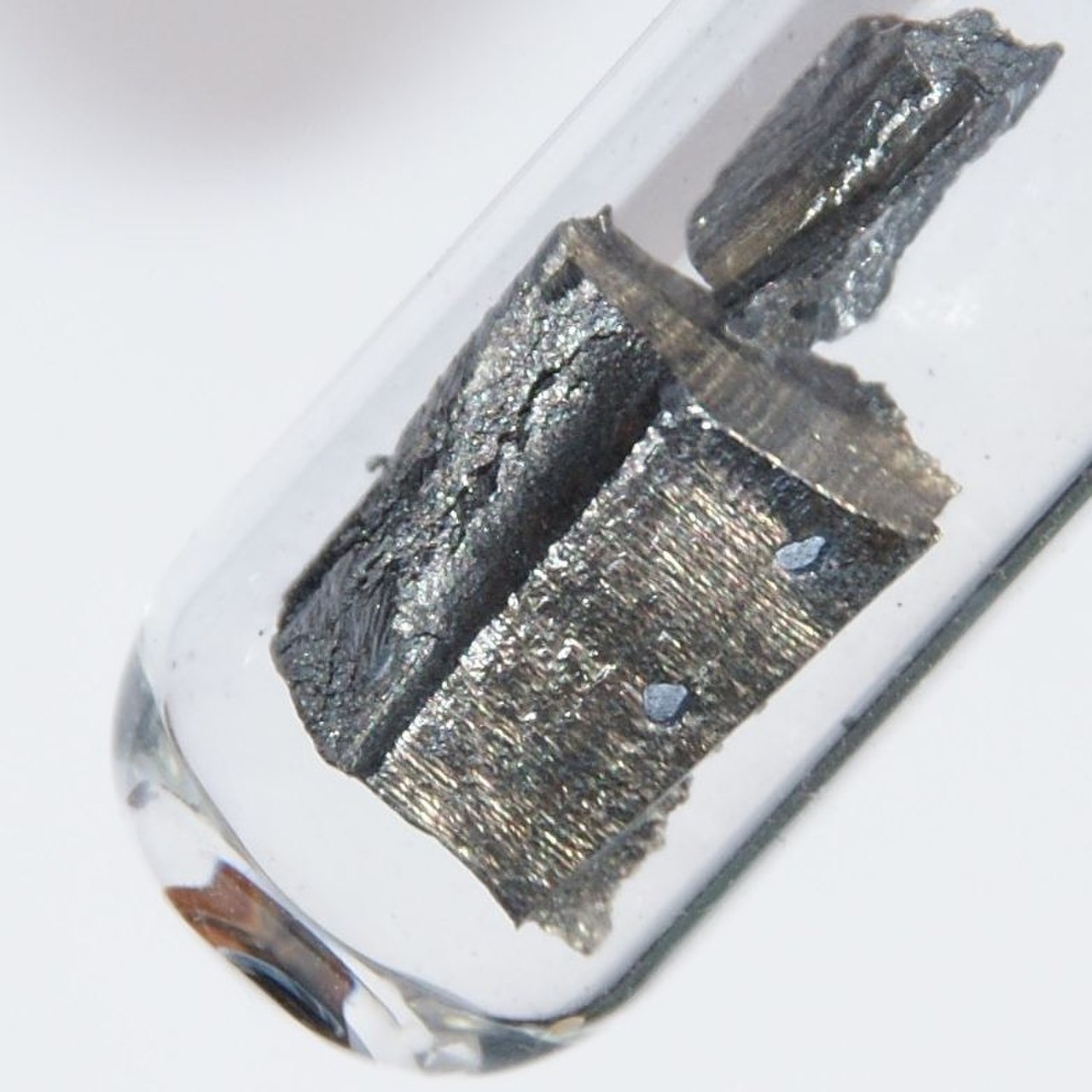
Neodymium, a chemical element with the symbol Nd and atomic number 60, is a member of the Lanthanide Series and is considered one of the Rare-Earth Metals. It is a hard, slightly malleable, silvery metal that quickly tarnishes in air and moisture, producing pink, purple/blue, and yellow compounds in the +2, +3 and +4 oxidation states. The discovery of neodymium is attributed to the Austrian chemist Carl Auer von Welsbach, who also discovered Praseodymium. Neodymium is present in significant quantities in the minerals Monazite and Bastnäsite. The unique properties of neodymium make it an essential component in the production of Permanent Magnets and other high-tech applications. For more information on the properties of neodymium, visit the Neodymium page.
⚖️ Properties and Characteristics
The properties and characteristics of neodymium are quite distinct, with a complex spectrum that is considered one of the most complex of the elements. When oxidized, neodymium reacts quickly, producing a range of compounds with different colors and properties. The +2, +3, and +4 oxidation states of neodymium are of particular interest, as they exhibit unique magnetic and optical properties. Neodymium is also known for its high Magnetic Permeability, making it an ideal material for the production of Magnetic Resonance Imaging (MRI) machines and other medical equipment. The Chemistry of Neodymium is a fascinating field of study, with many potential applications in fields such as Materials Science and Nanotechnology.
🔎 Discovery and History
The discovery of neodymium in 1885 by Carl Auer von Welsbach marked the beginning of a new era in the study of Rare-Earth Elements. Von Welsbach, an Austrian chemist, discovered neodymium while working on the separation of Didymium, a mixture of rare-earth elements. The discovery of neodymium led to a greater understanding of the properties and characteristics of the Lanthanide Series and paved the way for the development of new technologies and applications. Today, neodymium is an essential component in many high-tech applications, including Wind Turbines and Electric Vehicles. For more information on the history of neodymium, visit the History of Neodymium page.
💎 Occurrence and Mining
Neodymium is present in significant quantities in the minerals Monazite and Bastnäsite, which are found in many parts of the world. The majority of the world's commercial neodymium is mined in China, which has become a major player in the global Rare-Earth Industry. The mining and processing of neodymium are complex and often controversial, with concerns over Environmental Impact and Human Rights. The Geology of Neodymium is a fascinating field of study, with many potential applications in fields such as Geophysics and Geochemistry. For more information on the geology of neodymium, visit the Geology page.
📈 Production and Refining
The production and refining of neodymium are critical steps in the supply chain of this essential metal. Neodymium is not found naturally in metallic form or unmixed with other Lanthanides, and it is usually refined for general use. The refining process involves the separation of neodymium from other rare-earth elements, which is a complex and challenging task. The Production of Neodymium is a significant industry, with many companies and countries involved in the extraction, processing, and trading of this metal. For more information on the production of neodymium, visit the Production page.
🔋 Applications and Uses
Neodymium has a wide range of applications and uses, from Permanent Magnets to Catalysts and Phosphors. The unique properties of neodymium make it an essential component in many high-tech applications, including Wind Turbines and Electric Vehicles. The Applications of Neodymium are diverse and continue to grow, with new technologies and innovations emerging all the time. For more information on the applications of neodymium, visit the Applications page.
🚨 Environmental and Health Concerns
The environmental and health concerns associated with neodymium are significant and must be addressed. The mining and processing of neodymium can have a significant Environmental Impact, including the release of toxic chemicals and the destruction of habitats. The Health Effects of Neodymium are also a concern, as exposure to neodymium can cause a range of health problems. The Regulation of Neodymium is an important issue, with many countries and organizations working to establish guidelines and standards for the safe handling and use of this metal.
🌎 Global Market and Trade
The global market and trade of neodymium are complex and often volatile, with prices fluctuating in response to changes in supply and demand. The Global Neodymium Market is dominated by China, which has become a major player in the global Rare-Earth Industry. The Trade of Neodymium is an important issue, with many countries and companies involved in the extraction, processing, and trading of this metal. For more information on the global neodymium market, visit the Global Market page.
🔮 Research and Future Developments
Research and future developments in the field of neodymium are ongoing, with many new technologies and innovations emerging all the time. The Research on Neodymium is a fascinating field of study, with many potential applications in fields such as Materials Science and Nanotechnology. The Future of Neodymium is bright, with many opportunities for growth and development in the years to come. For more information on the research and future developments of neodymium, visit the Research page.
📊 Economic Impact and Trends
The economic impact and trends of neodymium are significant, with many companies and countries involved in the extraction, processing, and trading of this metal. The Economy of Neodymium is complex and often volatile, with prices fluctuating in response to changes in supply and demand. The Trends in Neodymium are an important issue, with many factors influencing the market and trade of this metal. For more information on the economy and trends of neodymium, visit the Economy page.
👥 Key Players and Industry Leaders
The key players and industry leaders in the field of neodymium are many and varied, with many companies and countries involved in the extraction, processing, and trading of this metal. The Companies Involved in Neodymium are significant, with many major players in the global Rare-Earth Industry. The Industry Leaders in Neodymium are also important, with many experts and researchers working to develop new technologies and innovations in the field of neodymium.
Key Facts
- Year
- 1885
- Origin
- Austria
- Category
- Science and Technology
- Type
- Chemical Element
Frequently Asked Questions
What is neodymium?
Neodymium is a chemical element with the symbol Nd and atomic number 60. It is a member of the lanthanide series and is considered one of the rare-earth metals. Neodymium is a hard, slightly malleable, silvery metal that quickly tarnishes in air and moisture. For more information on neodymium, visit the Neodymium page.
Who discovered neodymium?
Neodymium was discovered in 1885 by the Austrian chemist Carl Auer von Welsbach, who also discovered Praseodymium. The discovery of neodymium marked the beginning of a new era in the study of Rare-Earth Elements.
What are the properties of neodymium?
Neodymium has a complex spectrum and is known for its high Magnetic Permeability. The +2, +3, and +4 oxidation states of neodymium are of particular interest, as they exhibit unique magnetic and optical properties. For more information on the properties of neodymium, visit the Properties of Neodymium page.
What are the applications of neodymium?
Neodymium has a wide range of applications and uses, from Permanent Magnets to Catalysts and Phosphors. The unique properties of neodymium make it an essential component in many high-tech applications, including Wind Turbines and Electric Vehicles.
What are the environmental and health concerns associated with neodymium?
The environmental and health concerns associated with neodymium are significant and must be addressed. The mining and processing of neodymium can have a significant Environmental Impact, including the release of toxic chemicals and the destruction of habitats. The Health Effects of Neodymium are also a concern, as exposure to neodymium can cause a range of health problems.
What is the global market and trade of neodymium?
The global market and trade of neodymium are complex and often volatile, with prices fluctuating in response to changes in supply and demand. The Global Neodymium Market is dominated by China, which has become a major player in the global Rare-Earth Industry.
What is the future of neodymium?
The future of neodymium is bright, with many opportunities for growth and development in the years to come. The Research on Neodymium is a fascinating field of study, with many potential applications in fields such as Materials Science and Nanotechnology.