
Contents
- 🏞️ Introduction to Native American Tribes
- 📚 The Pre-Columbian Era: A Time of Diversity and Complexity
- 🚣♀️ European Colonization and Its Impact on Native American Tribes
- 🤝 The Role of Treaties and Agreements in Native American History
- 🏫 Boarding Schools and Assimilation Policies: A Dark Chapter
- 🎨 Native American Art and Culture: A Rich and Vibrant Heritage
- 🌎 Native American Tribes and the Environment: A Complex Relationship
- 🏛️ Native American Rights and Activism: A Continuing Struggle
- 📊 Demographics and Statistics: Understanding the Native American Population
- 👥 Contemporary Issues and Challenges Facing Native American Tribes
- 🔮 Preserving Native American Languages and Cultures: An Ongoing Effort
- 🕊️ Conclusion: Honoring the Past, Embracing the Future
- Frequently Asked Questions
- Related Topics
Overview
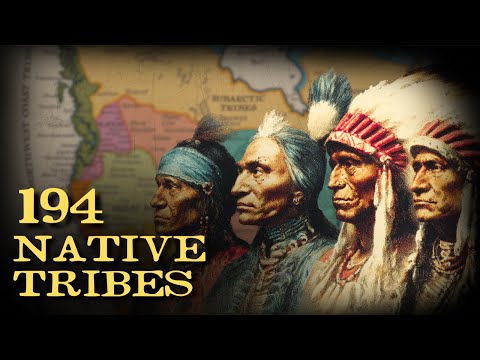
The history of Native American tribes is a complex and multifaceted one, spanning thousands of years and encompassing a vast array of cultures, languages, and traditions. From the Inca Empire to the Iroquois Confederacy, Native American tribes have played a significant role in shaping the course of American history. Today, there are over 570 federally recognized tribes in the United States, each with its own distinct culture, language, and traditions. The Native American Rights Fund and the National Congress of American Indians are two organizations that work to promote the rights and interests of Native American tribes. The history of Native American tribes is also closely tied to the history of European colonization and the impact of smallpox and other diseases on Native American populations.
📚 The Pre-Columbian Era: A Time of Diversity and Complexity
The pre-Columbian era was a time of great diversity and complexity for Native American tribes, with over 1,000 different languages spoken and a wide range of cultures and traditions. The Mississippian culture and the Ancestral Puebloans are two examples of the many complex societies that existed in North America before the arrival of European colonizers. The Hopewell culture and the Adena culture are also notable for their sophisticated earthen mounds and trade networks. The history of Native American tribes during this period is also marked by the presence of Moundville and other large earthen mounds. The Cahokia Mounds are another example of the impressive architectural achievements of pre-Columbian Native American tribes.
🚣♀️ European Colonization and Its Impact on Native American Tribes
The arrival of European colonizers had a devastating impact on Native American tribes, with the spread of diseases such as smallpox and the loss of land and cultural heritage. The Indian Removal Act and the Trail of Tears are two examples of the forced relocation of Native American tribes, which resulted in the loss of thousands of lives and the destruction of entire communities. The Wounded Knee Massacre and the Sand Creek Massacre are also notable for their brutality and impact on Native American populations. The history of Native American tribes is also marked by the presence of Buffalo Soldiers and other African American units that fought against Native American tribes. The Fort Laramie Treaty and the Treaty of Fort Worth are two examples of the many treaties and agreements that were made between the US government and Native American tribes.
🤝 The Role of Treaties and Agreements in Native American History
The role of treaties and agreements in Native American history is complex and multifaceted, with many treaties being broken or ignored by the US government. The Treaty of Paris and the Treaty of Fort Jackson are two examples of the many treaties that were made between the US government and Native American tribes. The Indian Appropriations Act and the Dawes Act are also notable for their impact on Native American land ownership and cultural heritage. The history of Native American tribes is also marked by the presence of Native American boarding schools, which were designed to assimilate Native American children into white culture. The Carlisle Indian Industrial School and the Haskell Indian Nations University are two examples of the many boarding schools that were established for Native American children.
🏫 Boarding Schools and Assimilation Policies: A Dark Chapter
The boarding schools and assimilation policies of the US government had a devastating impact on Native American tribes, with the loss of cultural heritage and the suppression of Native American languages and traditions. The Native American Church and the American Indian Movement are two examples of the many organizations that have worked to preserve Native American cultural heritage and promote the rights of Native American tribes. The National Museum of the American Indian and the Smithsonian Institution are also notable for their efforts to preserve and promote Native American art and culture. The history of Native American tribes is also marked by the presence of Native American art, which is a rich and vibrant heritage that reflects the diversity and complexity of Native American cultures. The Native American graphic art and the Native American literature are also notable for their beauty and significance.
🎨 Native American Art and Culture: A Rich and Vibrant Heritage
Native American art and culture are a rich and vibrant heritage that reflects the diversity and complexity of Native American tribes. The Native American music and the Native American dance are two examples of the many art forms that are an integral part of Native American cultural heritage. The Native American film and the Native American theater are also notable for their contributions to the preservation and promotion of Native American cultural heritage. The history of Native American tribes is also marked by the presence of Native American food, which is a unique and delicious reflection of the diversity and complexity of Native American cultures. The Native American agriculture and the Native American hunting are also notable for their significance in the preservation of Native American cultural heritage.
🌎 Native American Tribes and the Environment: A Complex Relationship
Native American tribes have a complex and multifaceted relationship with the environment, with many tribes having a deep spiritual connection to the land and its resources. The Native American ecology and the Native American conservation are two examples of the many ways in which Native American tribes have worked to preserve and protect the environment. The Native American water rights and the Native American land rights are also notable for their significance in the preservation of Native American cultural heritage and the protection of the environment. The history of Native American tribes is also marked by the presence of Native American climate change, which is a major threat to the preservation of Native American cultural heritage and the protection of the environment.
🏛️ Native American Rights and Activism: A Continuing Struggle
The struggle for Native American rights and activism is an ongoing one, with many organizations and individuals working to promote the rights and interests of Native American tribes. The Native American Rights Fund and the National Congress of American Indians are two examples of the many organizations that have worked to promote the rights and interests of Native American tribes. The American Indian Movement and the Native American Church are also notable for their efforts to preserve Native American cultural heritage and promote the rights of Native American tribes. The history of Native American tribes is also marked by the presence of Native American sovereignty, which is a major issue in the struggle for Native American rights and activism.
📊 Demographics and Statistics: Understanding the Native American Population
The demographics and statistics of the Native American population are complex and multifaceted, with many different tribes and communities having their own unique characteristics and challenges. The Native American population and the Native American demographics are two examples of the many ways in which the Native American population is studied and understood. The Native American health and the Native American education are also notable for their significance in the preservation of Native American cultural heritage and the promotion of the rights and interests of Native American tribes. The history of Native American tribes is also marked by the presence of Native American employment and the Native American poverty, which are major challenges facing many Native American communities.
👥 Contemporary Issues and Challenges Facing Native American Tribes
The contemporary issues and challenges facing Native American tribes are complex and multifaceted, with many different tribes and communities having their own unique challenges and opportunities. The Native American water crisis and the Native American housing crisis are two examples of the many challenges facing Native American communities. The Native American health crisis and the Native American education crisis are also notable for their significance in the preservation of Native American cultural heritage and the promotion of the rights and interests of Native American tribes. The history of Native American tribes is also marked by the presence of Native American technology, which is a major opportunity for the preservation of Native American cultural heritage and the promotion of the rights and interests of Native American tribes.
🔮 Preserving Native American Languages and Cultures: An Ongoing Effort
The preservation of Native American languages and cultures is an ongoing effort, with many organizations and individuals working to promote the rights and interests of Native American tribes. The Native American language preservation and the Native American cultural preservation are two examples of the many ways in which Native American languages and cultures are being preserved and promoted. The Native American heritage and the Native American traditions are also notable for their significance in the preservation of Native American cultural heritage and the promotion of the rights and interests of Native American tribes. The history of Native American tribes is also marked by the presence of Native American storytelling, which is a major part of Native American cultural heritage and a powerful tool for the preservation of Native American languages and cultures.
🕊️ Conclusion: Honoring the Past, Embracing the Future
In conclusion, the history of Native American tribes is a complex and multifaceted one, spanning thousands of years and encompassing a vast array of cultures, languages, and traditions. From the Inca Empire to the Iroquois Confederacy, Native American tribes have played a significant role in shaping the course of American history. Today, there are over 570 federally recognized tribes in the United States, each with its own distinct culture, language, and traditions. The Native American Rights Fund and the National Congress of American Indians are two organizations that work to promote the rights and interests of Native American tribes. The history of Native American tribes is also closely tied to the history of European colonization and the impact of smallpox and other diseases on Native American populations.
Key Facts
- Year
- 2022
- Origin
- Pre-Columbian Era
- Category
- History, Culture, Social Justice
- Type
- Social Group
Frequently Asked Questions
What is the history of Native American tribes?
The history of Native American tribes is a complex and multifaceted one, spanning thousands of years and encompassing a vast array of cultures, languages, and traditions. From the Inca Empire to the Iroquois Confederacy, Native American tribes have played a significant role in shaping the course of American history. The history of Native American tribes is also closely tied to the history of European colonization and the impact of smallpox and other diseases on Native American populations. The Native American Rights Fund and the National Congress of American Indians are two organizations that work to promote the rights and interests of Native American tribes.
What are some of the challenges facing Native American tribes today?
The challenges facing Native American tribes today are complex and multifaceted, with many different tribes and communities having their own unique challenges and opportunities. The Native American water crisis and the Native American housing crisis are two examples of the many challenges facing Native American communities. The Native American health crisis and the Native American education crisis are also notable for their significance in the preservation of Native American cultural heritage and the promotion of the rights and interests of Native American tribes.
How can I learn more about Native American tribes and their history?
There are many ways to learn more about Native American tribes and their history, including reading books and articles, watching documentaries and films, and visiting museums and cultural centers. The National Museum of the American Indian and the Smithsonian Institution are two examples of the many organizations that work to preserve and promote Native American art and culture. The Native American Rights Fund and the National Congress of American Indians are two organizations that work to promote the rights and interests of Native American tribes.
What is the significance of Native American art and culture?
Native American art and culture are a rich and vibrant heritage that reflects the diversity and complexity of Native American tribes. The Native American music and the Native American dance are two examples of the many art forms that are an integral part of Native American cultural heritage. The Native American film and the Native American theater are also notable for their contributions to the preservation and promotion of Native American cultural heritage.
How can I support Native American tribes and their communities?
There are many ways to support Native American tribes and their communities, including donating to organizations that work to promote the rights and interests of Native American tribes, volunteering time and skills to help Native American communities, and advocating for policies and laws that benefit Native American tribes. The Native American Rights Fund and the National Congress of American Indians are two organizations that work to promote the rights and interests of Native American tribes.