
Contents
- 🏥 Introduction to National Academy of Medicine
- 📚 History and Establishment
- 👥 Membership and Election Process
- 🏆 Awards and Honors
- 📊 Research and Publications
- 🌎 Global Health Initiatives
- 🤝 Collaborations and Partnerships
- 📈 Impact and Influence
- 🚀 Future Directions and Challenges
- 📊 Controversies and Criticisms
- 👏 Conclusion and Legacy
- Frequently Asked Questions
- Related Topics
Overview
The National Academy of Medicine (NAM) is a private, nonprofit organization that aims to improve health and healthcare through the advancement of science, technology, and policy. Established in 1970 as the Institute of Medicine (IOM), the NAM is one of the three academies that make up the National Academies of Sciences, Engineering, and Medicine. The NAM has a long history of providing independent, objective advice to the federal government on matters related to health and medicine, as seen in the work of the National Academies of Sciences. The NAM's work is guided by its mission to improve the health and well-being of individuals and communities, and to promote the advancement of medical science and technology, as outlined in the Health and Medicine section. The NAM has a diverse membership of over 2,000 elected members, including scientists, clinicians, and policymakers, who are recognized for their outstanding contributions to the field of health and medicine, including Public Health and Medical Research.
📚 History and Establishment
The NAM was established in 1970 as the Institute of Medicine (IOM), with the goal of providing independent, objective advice to the federal government on matters related to health and medicine. The IOM was created in response to the growing need for scientific expertise in the development of health policy, as discussed in the Health Policy section. Over the years, the IOM has undergone several transformations, including a name change to the National Academy of Medicine in 2015, which reflects its expanded scope and mission, as seen in the work of the National Institutes of Health. Today, the NAM is one of the most respected and influential organizations in the field of health and medicine, with a strong reputation for providing evidence-based guidance and recommendations, as outlined in the Evidence-Based Medicine section. The NAM's work is guided by its mission to improve the health and well-being of individuals and communities, and to promote the advancement of medical science and technology, as discussed in the Medical Science section. The NAM has a long history of collaboration with other organizations, including the World Health Organization and the Centers for Disease Control and Prevention.
👥 Membership and Election Process
The NAM has a diverse membership of over 2,000 elected members, including scientists, clinicians, and policymakers, who are recognized for their outstanding contributions to the field of health and medicine. Members are elected through a rigorous process, which involves nomination, review, and election by the NAM's membership, as outlined in the Membership and Election Process section. The NAM's membership includes some of the most prominent and influential figures in the field of health and medicine, including Anthony Fauci and Francis Collins. The NAM's members are organized into several sections, including the Section on Administration, the Section on Clinical Medicine, and the Section on Public Health, which are all critical components of the Healthcare System. The NAM's members are also involved in a range of activities, including research, education, and policy development, as discussed in the Health Policy Development section.
🏆 Awards and Honors
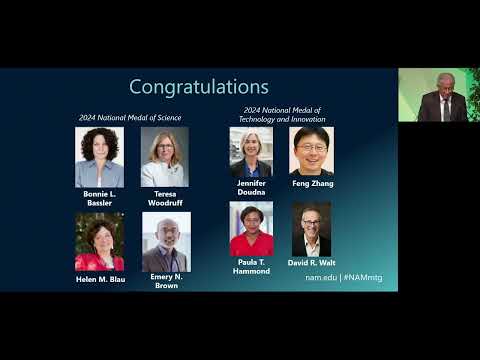
The NAM presents several awards and honors to recognize outstanding contributions to the field of health and medicine. The NAM's most prestigious award is the Lienhard Award, which is presented annually to an individual who has made significant contributions to the improvement of healthcare, as seen in the work of the Healthcare Improvement section. The NAM also presents the Gustav O. Lienhard Award, which is presented to an individual who has made significant contributions to the field of medical science, as outlined in the Medical Science Awards section. The NAM's awards and honors are highly respected and coveted, and are seen as a mark of excellence and achievement in the field of health and medicine, as discussed in the Excellence in Healthcare section. The NAM's awards and honors are also recognized by other organizations, including the American Medical Association and the American Public Health Association.
📊 Research and Publications
The NAM is a leading publisher of research and publications on topics related to health and medicine. The NAM publishes a range of reports, including consensus reports, which provide evidence-based guidance and recommendations on topics such as healthcare policy and medical research, as outlined in the Healthcare Policy section. The NAM also publishes a range of other publications, including workshop summaries and proceedings, which provide a summary of discussions and presentations on topics related to health and medicine, as discussed in the Medical Research Publications section. The NAM's publications are highly respected and widely read, and are seen as a key source of information and guidance for policymakers, healthcare professionals, and researchers, as seen in the work of the National Library of Medicine. The NAM's publications are also recognized by other organizations, including the World Health Organization and the Centers for Disease Control and Prevention.
🌎 Global Health Initiatives
The NAM is actively involved in a range of global health initiatives, including efforts to improve healthcare in low- and middle-income countries, as discussed in the Global Health Initiatives section. The NAM works closely with international organizations, including the World Health Organization and the United Nations, to provide technical assistance and guidance on topics related to health and medicine, as outlined in the International Health section. The NAM also collaborates with other organizations, including the Bill and Melinda Gates Foundation and the Rockefeller Foundation, to support global health initiatives and programs, as seen in the work of the Global Health Partnership. The NAM's global health initiatives are focused on addressing some of the most pressing health challenges facing the world, including infectious diseases, maternal and child health, and non-communicable diseases, as discussed in the Global Health Challenges section.
🤝 Collaborations and Partnerships
The NAM collaborates with a range of organizations, including government agencies, academic institutions, and private sector companies, to advance its mission and goals, as outlined in the Collaborations and Partnerships section. The NAM works closely with other organizations to provide technical assistance and guidance on topics related to health and medicine, and to support the development of evidence-based policies and programs, as discussed in the Evidence-Based Policy section. The NAM's collaborations and partnerships are critical to its success, and are seen as a key factor in its ability to influence and shape the field of health and medicine, as seen in the work of the National Institutes of Health. The NAM's collaborations and partnerships are also recognized by other organizations, including the American Medical Association and the American Public Health Association.
📈 Impact and Influence
The NAM has a significant impact and influence on the field of health and medicine, and is widely recognized as a leading authority on topics related to healthcare policy and medical research, as discussed in the Healthcare Policy Development section. The NAM's reports and publications are widely read and respected, and are seen as a key source of information and guidance for policymakers, healthcare professionals, and researchers, as outlined in the Medical Research Publications section. The NAM's work has also had a significant impact on the development of healthcare policy and programs, both in the United States and around the world, as seen in the work of the World Health Organization and the Centers for Disease Control and Prevention. The NAM's influence extends beyond the field of health and medicine, and is seen as a model for other organizations and initiatives, as discussed in the Excellence in Healthcare section.
🚀 Future Directions and Challenges
The NAM is facing a range of challenges and opportunities in the future, including the need to address emerging health threats, such as pandemics and climate change, as discussed in the Global Health Challenges section. The NAM is also working to expand its global reach and influence, and to support the development of healthcare systems and programs in low- and middle-income countries, as outlined in the International Health section. The NAM's future directions and challenges are critical to its success, and will require the organization to be adaptable, innovative, and responsive to changing needs and circumstances, as seen in the work of the National Institutes of Health. The NAM's future directions and challenges are also recognized by other organizations, including the American Medical Association and the American Public Health Association.
📊 Controversies and Criticisms
The NAM has faced several controversies and criticisms over the years, including concerns about its independence and objectivity, as discussed in the Independence and Objectivity section. The NAM has also been criticized for its handling of conflicts of interest, and for its relationships with industry and other stakeholders, as outlined in the Conflicts of Interest section. The NAM has taken steps to address these concerns, including the development of new policies and procedures for managing conflicts of interest, as seen in the work of the National Institutes of Health. The NAM's controversies and criticisms are critical to its success, and will require the organization to be transparent, accountable, and responsive to changing needs and circumstances, as discussed in the Excellence in Healthcare section.
👏 Conclusion and Legacy
In conclusion, the National Academy of Medicine is a highly respected and influential organization that plays a critical role in shaping the field of health and medicine, as discussed in the Health and Medicine section. The NAM's work is guided by its mission to improve the health and well-being of individuals and communities, and to promote the advancement of medical science and technology, as outlined in the Medical Science section. The NAM's legacy is one of excellence and achievement, and its impact and influence will be felt for generations to come, as seen in the work of the National Institutes of Health. The NAM's legacy is also recognized by other organizations, including the American Medical Association and the American Public Health Association.
Key Facts
- Year
- 1970
- Origin
- United States
- Category
- Health and Medicine
- Type
- Non-Profit Organization
Frequently Asked Questions
What is the National Academy of Medicine?
The National Academy of Medicine (NAM) is a private, nonprofit organization that aims to improve health and healthcare through the advancement of science, technology, and policy. The NAM is one of the three academies that make up the National Academies of Sciences, Engineering, and Medicine, as discussed in the National Academies of Sciences section. The NAM's work is guided by its mission to improve the health and well-being of individuals and communities, and to promote the advancement of medical science and technology, as outlined in the Medical Science section. The NAM has a long history of providing independent, objective advice to the federal government on matters related to health and medicine, as seen in the work of the Health Policy section.
What is the NAM's membership process?
The NAM's membership process involves nomination, review, and election by the NAM's membership, as outlined in the Membership and Election Process section. The NAM's members are recognized for their outstanding contributions to the field of health and medicine, and are organized into several sections, including the Section on Administration, the Section on Clinical Medicine, and the Section on Public Health, which are all critical components of the Healthcare System. The NAM's members are also involved in a range of activities, including research, education, and policy development, as discussed in the Health Policy Development section.
What are the NAM's awards and honors?
The NAM presents several awards and honors to recognize outstanding contributions to the field of health and medicine, including the Lienhard Award and the Gustav O. Lienhard Award, as seen in the work of the Healthcare Improvement section. The NAM's awards and honors are highly respected and coveted, and are seen as a mark of excellence and achievement in the field of health and medicine, as discussed in the Excellence in Healthcare section. The NAM's awards and honors are also recognized by other organizations, including the American Medical Association and the American Public Health Association.
What is the NAM's impact and influence?
The NAM has a significant impact and influence on the field of health and medicine, and is widely recognized as a leading authority on topics related to healthcare policy and medical research, as discussed in the Healthcare Policy Development section. The NAM's reports and publications are widely read and respected, and are seen as a key source of information and guidance for policymakers, healthcare professionals, and researchers, as outlined in the Medical Research Publications section. The NAM's work has also had a significant impact on the development of healthcare policy and programs, both in the United States and around the world, as seen in the work of the World Health Organization and the Centers for Disease Control and Prevention.
What are the NAM's future directions and challenges?
The NAM is facing a range of challenges and opportunities in the future, including the need to address emerging health threats, such as pandemics and climate change, as discussed in the Global Health Challenges section. The NAM is also working to expand its global reach and influence, and to support the development of healthcare systems and programs in low- and middle-income countries, as outlined in the International Health section. The NAM's future directions and challenges are critical to its success, and will require the organization to be adaptable, innovative, and responsive to changing needs and circumstances, as seen in the work of the National Institutes of Health.