
Contents
- 🌏 Introduction to EDM in Asia
- 🎵 History of Electronic Dance Music in Asia
- 🔥 Rise of EDM Festivals in Asia
- 🌈 Cultural Significance of EDM in Asia
- 🎶 Notable Asian EDM Artists
- 📈 Impact of Social Media on EDM in Asia
- 🤝 Collaboration and Influence in Asian EDM
- 🌐 Globalization of Asian EDM
- 📊 EDM Market Trends in Asia
- 👥 EDM Community and Fan Culture in Asia
- 🔜 Future of EDM in Asia
- Frequently Asked Questions
- Related Topics
Overview
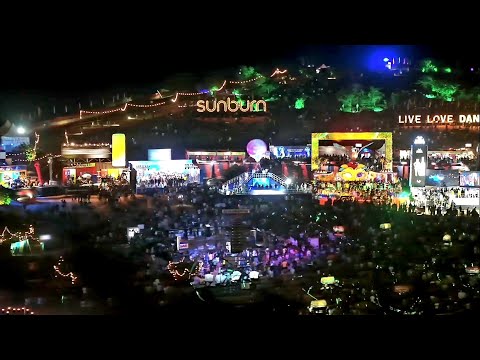
EDM in Asia has experienced exponential growth over the past decade, with countries like Japan, China, and India emerging as major hubs for electronic dance music. The genre has been influenced by local cultures, resulting in unique sounds and styles, such as Tokyo's futuristic techno and Mumbai's Bollywood-infused EDM. According to a report by IMS Asia-Pacific, the region's EDM market was valued at $1.1 billion in 2020, with an expected growth rate of 15% per annum. The rise of EDM in Asia can be attributed to the increasing popularity of festivals like Ultra Japan and Sunburn Festival, which have brought international artists to the region. However, the scene also faces challenges, such as strict regulations and limited venues, which have led to a thriving underground scene. As the genre continues to evolve, it will be interesting to see how EDM in Asia shapes the global music landscape, with artists like Steve Aoki and The Chainsmokers already incorporating Asian influences into their music.
🌏 Introduction to EDM in Asia
The electronic dance music (EDM) scene in Asia has experienced tremendous growth over the past decade, with countries like China, Japan, and South Korea emerging as major hubs. This phenomenon can be attributed to the increasing popularity of EDM festivals such as Ultra Music Festival and Tomorrowland, which have been instrumental in bringing international DJs and artists to the region. As a result, the Asian EDM market has become a significant contributor to the global music industry. The cultural significance of EDM in Asia is also closely tied to the region's youth culture, with many young people using EDM as a means of self-expression and rebellion. For instance, the K-pop genre has been heavily influenced by EDM, with groups like BTS and Blackpink incorporating electronic elements into their music.
🎵 History of Electronic Dance Music in Asia
The history of EDM in Asia dates back to the 1990s, when techno and trance music first emerged in Japan and South Korea. However, it wasn't until the 2010s that EDM started to gain mainstream popularity in the region, with the rise of EDM festivals and the increasing availability of digital music platforms. The growth of EDM in Asia has also been driven by the region's economic growth, which has led to an increase in disposable income and a growing demand for entertainment options. As a result, EDM has become a major part of the region's entertainment industry, with many nightclubs and music venues catering to the growing demand for EDM events. The influence of Western EDM artists, such as Calvin Harris and The Chainsmokers, has also played a significant role in shaping the Asian EDM scene.
🔥 Rise of EDM Festivals in Asia
The rise of EDM festivals in Asia has been a key factor in the growth of the region's EDM scene. Festivals like Ultra Music Festival and Tomorrowland have brought international DJs and artists to the region, exposing local audiences to new and exciting sounds. The success of these festivals has also led to the emergence of local EDM festivals, such as Korea Music Festival and Japan Music Festival. These festivals have not only provided a platform for local artists to showcase their talents but also helped to promote the region's music tourism industry. The cultural significance of EDM festivals in Asia extends beyond the music itself, with many festivals incorporating local art and culture into their events. For example, the Ultra Music Festival in China features a range of local food and drink options, as well as traditional Chinese culture performances.
🌈 Cultural Significance of EDM in Asia
The cultural significance of EDM in Asia is complex and multifaceted. On one hand, EDM has provided a platform for self-expression and rebellion, particularly among young people. The genre's emphasis on individuality and creativity has resonated with many Asian youth, who are looking for ways to express themselves and challenge traditional norms. On the other hand, EDM has also been criticized for its perceived westernization of Asian culture, with some arguing that the genre is eroding traditional Asian culture. However, many Asian EDM artists are working to incorporate local elements into their music, creating a unique sound that blends traditional and modern influences. For instance, the Korean EDM scene has been influenced by traditional Korean music, with many artists incorporating elements of Korean folk into their productions.
🎶 Notable Asian EDM Artists
Notable Asian EDM artists have played a significant role in shaping the region's EDM scene. Artists like Alan Walker and KSHMR have achieved international success, while also helping to promote the region's EDM scene. Other notable artists, such as HyunA and Zico, have been instrumental in popularizing EDM in their respective countries. The influence of Asian EDM artists can be seen in the region's music charts, with many EDM tracks featuring in the top 10. The success of Asian EDM artists has also led to an increase in music collaborations between Asian and Western artists, with many international DJs and producers working with Asian artists to create new and exciting sounds.
🤝 Collaboration and Influence in Asian EDM
Collaboration and influence are key aspects of the Asian EDM scene, with many artists working together to create new and exciting sounds. The influence of Western EDM artists has been significant, with many Asian artists drawing inspiration from international DJs and producers. However, the influence of Asian EDM artists on Western EDM is also growing, with many international artists incorporating Asian elements into their music. The collaboration between Asian and Western artists has led to the creation of unique and innovative sounds, such as the fusion of K-pop and EDM. For instance, the BTS and Halsey collaboration on Boy With Luv is a prime example of the successful fusion of K-pop and EDM.
🌐 Globalization of Asian EDM
The globalization of Asian EDM has been driven by the increasing popularity of the genre worldwide. The growth of digital music platforms has made it easier for Asian EDM artists to reach a global audience, with many artists achieving international success. The globalization of Asian EDM has also led to an increase in music tourism, with many fans traveling to Asia to experience the region's vibrant EDM scene. However, the globalization of Asian EDM has also raised concerns about the homogenization of local cultures, with some arguing that the genre is becoming too Westernized. For example, the EDM festivals in Asia have been criticized for featuring predominantly Western lineups, with many local artists being overlooked.
📊 EDM Market Trends in Asia
The EDM market trends in Asia are complex and multifaceted. The growth of the EDM market in Asia has been driven by the increasing popularity of the genre, particularly among young people. The market trends are also influenced by the region's economic growth, with many countries experiencing rapid economic development. However, the EDM market in Asia is also highly competitive, with many artists and promoters competing for a share of the market. The market trends are also influenced by the digital music platforms, with many fans accessing EDM music through online platforms. For instance, the Spotify platform has been instrumental in promoting Asian EDM artists, with many artists achieving significant streaming numbers on the platform.
👥 EDM Community and Fan Culture in Asia
The EDM community and fan culture in Asia are vibrant and dedicated. The community is driven by a passion for EDM, with many fans attending festivals and events to experience the music and the culture. The fan culture is also influenced by the region's youth culture, with many young people using EDM as a means of self-expression and rebellion. The community is also highly social, with many fans connecting with each other through social media platforms. However, the EDM community in Asia is also facing challenges, such as the sustainability of the scene and the diversity and inclusion of the genre. For example, the EDM industry has been criticized for its lack of diversity, with many festivals and events featuring predominantly male and Western lineups.
🔜 Future of EDM in Asia
The future of EDM in Asia is exciting and uncertain. The growth of the EDM market in Asia is expected to continue, driven by the increasing popularity of the genre and the region's economic growth. However, the future of EDM in Asia is also influenced by the globalization of the genre, with many Asian EDM artists achieving international success. The future of EDM in Asia is also shaped by the digital music platforms, with many fans accessing EDM music through online platforms. The future of EDM in Asia is also uncertain, with many challenges facing the genre, such as the sustainability of the scene and the diversity and inclusion of the genre. For instance, the EDM industry will need to address the issue of diversity and inclusion, with many festivals and events featuring predominantly male and Western lineups.
Key Facts
- Year
- 2020
- Origin
- Asia
- Category
- Music
- Type
- Music Genre
Frequently Asked Questions
What is the current state of the EDM scene in Asia?
The EDM scene in Asia is currently thriving, with many countries experiencing rapid growth in the popularity of the genre. The growth of the EDM market in Asia has been driven by the increasing popularity of EDM festivals and the region's economic growth. However, the EDM scene in Asia is also facing challenges, such as the sustainability of the scene and the diversity and inclusion of the genre.
Who are some notable Asian EDM artists?
What is the cultural significance of EDM in Asia?
The cultural significance of EDM in Asia is complex and multifaceted. EDM has provided a platform for self-expression and rebellion, particularly among young people. The genre's emphasis on individuality and creativity has resonated with many Asian youth, who are looking for ways to express themselves and challenge traditional norms. However, EDM has also been criticized for its perceived westernization of Asian culture, with some arguing that the genre is eroding traditional Asian culture.
How has social media impacted the EDM scene in Asia?
Social media has had a significant impact on the EDM scene in Asia, with platforms like Instagram and TikTok providing a means for artists and fans to connect and share their love of EDM. Social media has also played a key role in promoting EDM events and festivals, with many organizers using platforms like Facebook and Twitter to promote their events.
What are some challenges facing the EDM scene in Asia?
Some challenges facing the EDM scene in Asia include the sustainability of the scene, the diversity and inclusion of the genre, and the globalization of the genre. The EDM scene in Asia is also facing challenges related to the music industry, such as the piracy of music and the commercialization of the genre.
What is the future of EDM in Asia?
The future of EDM in Asia is exciting and uncertain. The growth of the EDM market in Asia is expected to continue, driven by the increasing popularity of the genre and the region's economic growth. However, the future of EDM in Asia is also influenced by the globalization of the genre, with many Asian EDM artists achieving international success. The future of EDM in Asia is also shaped by the digital music platforms, with many fans accessing EDM music through online platforms.
How has the EDM scene in Asia influenced the global EDM scene?
The EDM scene in Asia has had a significant influence on the global EDM scene, with many Asian EDM artists achieving international success. The influence of Asian EDM artists can be seen in the global music charts, with many EDM tracks featuring in the top 10. The EDM scene in Asia has also led to an increase in music collaborations between Asian and Western artists, with many international DJs and producers working with Asian artists to create new and exciting sounds.