
Contents
- 📈 Introduction to Marketing Channels
- 📊 The Rise of Digital Marketing
- 📱 Mobile Marketing: A Key Battleground
- 📺 Video Marketing: The Future of Advertising
- 📢 Social Media Marketing: A Multibillion-Dollar Industry
- 📊 Email Marketing: Still a Powerful Tool
- 📈 Influencer Marketing: The Power of Authenticity
- 📊 Affiliate Marketing: A Performance-Based Channel
- 📊 Search Engine Optimization (SEO): The Organic Way
- 📊 Pay-Per-Click (PPC) Advertising: The Paid Way
- 📈 The Future of Marketing Channels: Trends and Predictions
- Frequently Asked Questions
- Related Topics
Overview
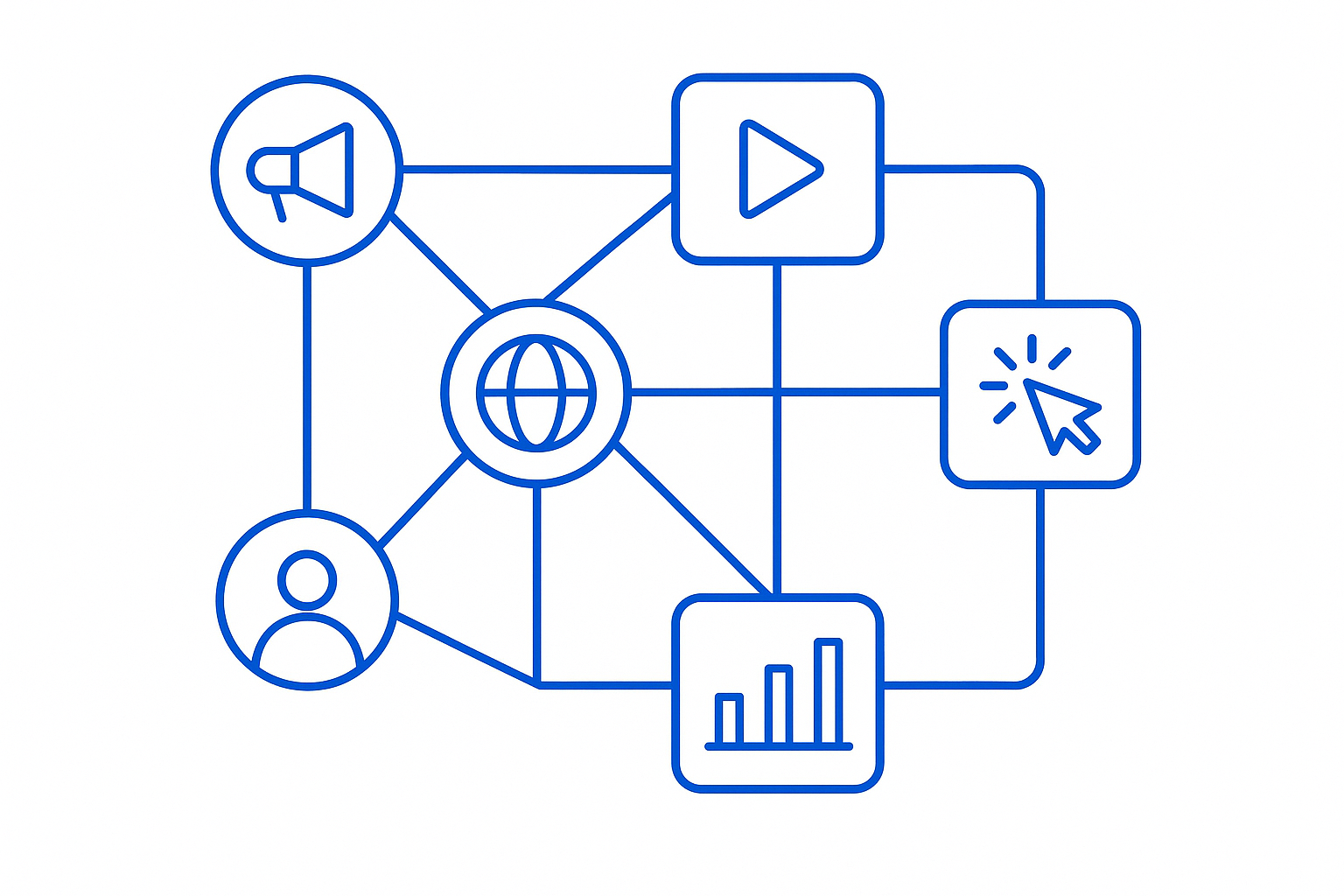
Marketing channels are the lifeline of any business, with companies like Procter & Gamble spending upwards of $10 billion annually on advertising. The marketing channel landscape is a complex, ever-shifting battlefield where tech giants like Google, Facebook, and Amazon vie for dominance. As of 2022, Google's advertising revenue surpassed $200 billion, with Facebook trailing closely at $117 billion. Meanwhile, newcomers like TikTok and Snapchat are disrupting traditional channels, forcing marketers to adapt and innovate. With the average person exposed to over 4,000 ads daily, the competition for attention has never been fiercer. As we move forward, the future of marketing channels will be shaped by emerging technologies like AI, AR, and the metaverse, which will revolutionize the way businesses interact with their audiences.
📈 Introduction to Marketing Channels
The world of marketing channels is a multibillion-dollar battlefield, with companies competing for attention and revenue. At the heart of this battle is the quest for effective digital marketing strategies. With the rise of social media and mobile marketing, companies are shifting their focus towards online marketing channels. According to a report by eMarketer, digital marketing spend is expected to reach $1.3 trillion by 2025. As companies navigate this complex landscape, they must consider the role of content marketing and influencer marketing in their overall strategy.
📊 The Rise of Digital Marketing
The rise of digital marketing has transformed the way companies reach and engage with their target audiences. With the help of data analytics and marketing automation, companies can now personalize their marketing efforts and measure their return on investment (ROI) with greater accuracy. However, this has also led to increased competition and ad fatigue, making it harder for companies to stand out in a crowded market. To succeed, companies must develop a deep understanding of their target audience and create customer experiences that resonate with them. This can be achieved through user experience (UX) design and customer journey mapping.
📱 Mobile Marketing: A Key Battleground
Mobile marketing is a key battleground in the world of marketing channels, with companies competing for attention on mobile devices. With the rise of m-commerce, companies are investing heavily in mobile advertising and mobile marketing strategies. According to a report by Google, mobile devices account for over 50% of all internet traffic. As companies develop their mobile marketing strategies, they must consider the role of push notifications and in-app marketing in driving engagement and conversions. This can be achieved through mobile app development and mobile web development.
📺 Video Marketing: The Future of Advertising
Video marketing is the future of advertising, with companies using video content to tell their brand stories and connect with their target audiences. With the rise of YouTube and TikTok, video marketing has become a key channel for companies looking to reach and engage with their target audiences. According to a report by HubSpot, video marketing can increase conversions by up to 20%. As companies develop their video marketing strategies, they must consider the role of video production and video distribution in driving reach and engagement. This can be achieved through video marketing platforms and video analytics.
📊 Email Marketing: Still a Powerful Tool
Email marketing is still a powerful tool for companies looking to drive conversions and revenue. With the help of email marketing software, companies can personalize their email marketing efforts and measure their ROI with greater accuracy. According to a report by Mailchimp, email marketing can generate up to $44 in ROI for every dollar spent. As companies develop their email marketing strategies, they must consider the role of email list building and email automation in driving engagement and conversions. This can be achieved through email marketing platforms and email analytics.
📈 Influencer Marketing: The Power of Authenticity
Influencer marketing is the power of authenticity, with companies using influencer marketing platforms to partner with influencers who have built trust and credibility with their target audiences. With the rise of influencer marketing, companies are investing heavily in influencer marketing strategies. According to a report by Influencer Marketing Hub, influencer marketing can increase brand awareness by up to 70%. As companies develop their influencer marketing strategies, they must consider the role of influencer relations and influencer content in driving reach and engagement. This can be achieved through influencer marketing agencies and influencer marketing tools.
📊 Affiliate Marketing: A Performance-Based Channel
Affiliate marketing is a performance-based channel, with companies using affiliate marketing platforms to partner with affiliates who promote their products or services. With the rise of affiliate marketing, companies are investing heavily in affiliate marketing strategies. According to a report by Affiliate Marketing Insider, affiliate marketing can generate up to $12 billion in revenue. As companies develop their affiliate marketing strategies, they must consider the role of affiliate networks and affiliate tracking in driving conversions and revenue. This can be achieved through affiliate marketing software and affiliate marketing tools.
📊 Search Engine Optimization (SEO): The Organic Way
Search engine optimization (SEO) is the organic way to drive traffic and conversions, with companies using SEO tools to optimize their websites and content for search engines. With the rise of Google and Bing, SEO has become a key channel for companies looking to drive organic traffic and conversions. According to a report by Moz, SEO can increase organic traffic by up to 20%. As companies develop their SEO strategies, they must consider the role of keyword research and link building in driving rankings and conversions. This can be achieved through SEO platforms and SEO agencies.
📊 Pay-Per-Click (PPC) Advertising: The Paid Way
Pay-per-click (PPC) advertising is the paid way to drive traffic and conversions, with companies using PPC advertising to drive traffic and conversions. With the rise of Google Ads and Facebook Ads, PPC advertising has become a key channel for companies looking to drive paid traffic and conversions. According to a report by WordStream, PPC advertising can generate up to $2 in ROI for every dollar spent. As companies develop their PPC advertising strategies, they must consider the role of ad copywriting and landing page optimization in driving conversions and revenue. This can be achieved through PPC agencies and PPC tools.
📈 The Future of Marketing Channels: Trends and Predictions
The future of marketing channels is trends and predictions, with companies using marketing trends and marketing predictions to stay ahead of the curve. With the rise of artificial intelligence and machine learning, marketing channels are becoming more automated and personalized. According to a report by Gartner, marketing automation can increase efficiency by up to 30%. As companies develop their marketing strategies, they must consider the role of marketing technology and marketing innovation in driving growth and revenue. This can be achieved through marketing platforms and marketing agencies.
Key Facts
- Year
- 2022
- Origin
- The earliest forms of marketing channels date back to the late 19th century, with the advent of print advertising and the establishment of the first advertising agencies.
- Category
- Digital Marketing
- Type
- Concept
Frequently Asked Questions
What is the most effective marketing channel?
The most effective marketing channel depends on the company's target audience and marketing goals. However, according to a report by HubSpot, the most effective marketing channels are email marketing, social media marketing, and content marketing. These channels can be used to drive awareness, conversions, and revenue. For example, email marketing can be used to nurture leads and drive conversions, while social media marketing can be used to drive awareness and engagement. Additionally, content marketing can be used to educate and inform the target audience, driving long-term growth and revenue.
How do I measure the ROI of my marketing channels?
Measuring the ROI of marketing channels can be done using marketing analytics tools. These tools can help companies track their marketing spend and revenue, and calculate their ROI. According to a report by Google, the most important metrics for measuring ROI are conversion rate, cost per acquisition, and return on ad spend. For example, companies can use Google Analytics to track their website traffic and conversions, and calculate their ROI. Additionally, companies can use marketing automation tools to automate their marketing efforts and measure their ROI.
What is the future of marketing channels?
The future of marketing channels is trends and predictions, with companies using marketing trends and marketing predictions to stay ahead of the curve. According to a report by Gartner, the most important trends in marketing channels are artificial intelligence, machine learning, and marketing automation. These trends can be used to drive growth and revenue, and stay ahead of the competition. For example, companies can use artificial intelligence to personalize their marketing efforts and drive conversions, while machine learning can be used to optimize their marketing campaigns and drive efficiency. Additionally, marketing automation can be used to automate their marketing efforts and drive scalability.
How do I choose the right marketing channel for my business?
Choosing the right marketing channel for your business depends on your target audience and marketing goals. According to a report by HubSpot, the most important factors to consider when choosing a marketing channel are target audience, marketing goals, and budget. For example, if your target audience is on social media, you may want to consider using social media marketing to drive awareness and engagement. Additionally, if your marketing goal is to drive conversions, you may want to consider using email marketing or paid advertising.
What is the role of content marketing in marketing channels?
Content marketing plays a critical role in marketing channels, as it can be used to educate and inform the target audience, drive awareness and engagement, and drive conversions and revenue. According to a report by Content Marketing Institute, the most effective types of content marketing are blog posts, video content, and social media content. For example, companies can use blog posts to educate and inform their target audience, while video content can be used to drive engagement and conversions. Additionally, social media content can be used to drive awareness and engagement, and drive traffic to the company's website.
How do I measure the effectiveness of my marketing channels?
Measuring the effectiveness of marketing channels can be done using marketing analytics tools. These tools can help companies track their marketing spend and revenue, and calculate their ROI. According to a report by Google, the most important metrics for measuring effectiveness are conversion rate, cost per acquisition, and return on ad spend. For example, companies can use Google Analytics to track their website traffic and conversions, and calculate their ROI. Additionally, companies can use marketing automation tools to automate their marketing efforts and measure their effectiveness.
What is the role of influencer marketing in marketing channels?
Influencer marketing plays a critical role in marketing channels, as it can be used to drive awareness and engagement, and drive conversions and revenue. According to a report by Influencer Marketing Hub, the most effective types of influencer marketing are sponsored content, product reviews, and influencer takeovers. For example, companies can use sponsored content to drive awareness and engagement, while product reviews can be used to drive conversions and revenue. Additionally, influencer takeovers can be used to drive engagement and conversions, and drive traffic to the company's website.
📢 Social Media Marketing: A Multibillion-Dollar Industry
Social media marketing is a multibillion-dollar industry, with companies using social media platforms to reach and engage with their target audiences. With the rise of Facebook, Instagram, and Twitter, social media marketing has become a key channel for companies looking to drive awareness and conversions. According to a report by Hopper, social media marketing can increase brand awareness by up to 50%. As companies develop their social media marketing strategies, they must consider the role of social media ads and social media influencers in driving reach and engagement. This can be achieved through social media management and social media analytics.