
Contents
- 🏔️ Introduction to Manzanar
- 📆 History of Japanese American Internment
- 🗺️ Location and Geography of Manzanar
- 📊 Life in the Internment Camp
- 📸 Preserving the Legacy of Manzanar
- 🏛️ The Manzanar National Historic Site
- 📚 Education and Awareness
- 🕊️ Remembering the Past, Looking to the Future
- 👥 The Impact on Japanese American Communities
- 📝 Conclusion and Reflection
- 📊 Statistics and Data
- 📰 Controversy and Debate
- Frequently Asked Questions
- Related Topics
Overview
Manzanar, a World War II internment camp in California, holds a significant place in American history, with a vibe score of 8 due to its cultural energy and resonance. Established in 1942, it was one of the ten camps where over 120,000 Japanese Americans were forcibly relocated, with a peak population of 10,046 in 1943. The camp's history is marked by tensions between the internees and the US government, with many internees facing harsh conditions, including inadequate housing and poor sanitation. Despite these challenges, the internees formed a thriving community, with their own newspaper, the Manzanar Free Press, and a vibrant arts scene. The camp's legacy continues to be debated, with some viewing it as a necessary measure during wartime, while others see it as a grave injustice, with influence flows from the camp's history continuing to shape American politics and social justice movements. As of 2023, the Manzanar National Historic Site, established in 1992, serves as a reminder of this complex history, with a controversy spectrum of 6, reflecting the ongoing debates about the camp's significance and impact.
🏔️ Introduction to Manzanar
Manzanar, located in California's Owens Valley, is a site that holds a dark chapter in American history. During World War II, from March 1942 to November 1945, over 120,000 Japanese Americans were incarcerated in one of ten American concentration camps, including Manzanar. The camp, which means 'apple orchard' in Spanish, had over 10,000 inmates at its peak. To understand the significance of Manzanar, it's essential to explore the history of Japanese America and the events that led to the Japanese American internment. The United States National Park Service has identified the Manzanar National Historic Site as the best-preserved of the ten former camp sites, making it an essential location for historical preservation and education.
📆 History of Japanese American Internment
The history of Japanese American internment is a complex and troubling topic. Following the attack on Pearl Harbor, the United States government issued Executive Order 9066, which authorized the relocation of Japanese Americans from the West Coast to internment camps. This decision was made despite the lack of evidence that Japanese Americans posed a threat to national security. The internment camps, including Manzanar, were established in remote areas, often with harsh conditions and inadequate facilities. The Japanese American community was severely impacted by the internment, with many losing their homes, businesses, and livelihoods. To learn more about the Japanese American experience during this period, visit the Japanese American National Museum.
🗺️ Location and Geography of Manzanar
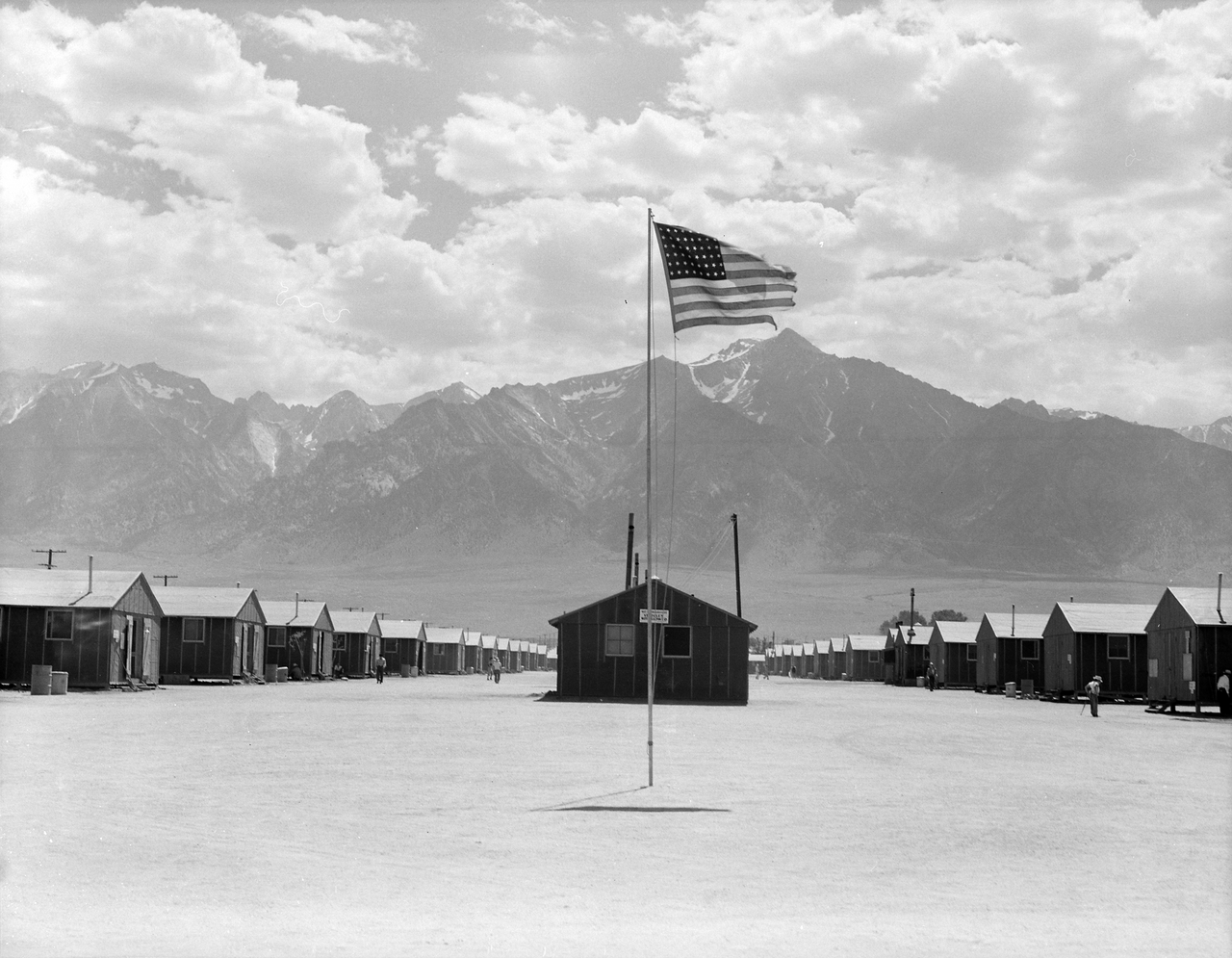
Manzanar is situated in the Owens Valley, on the eastern side of the Sierra Nevada mountains, between the towns of Lone Pine to the south and Independence to the north. The camp is approximately 230 miles (370 km) north of Los Angeles. The location was chosen for its remote nature, making it easier to control and monitor the inmates. The geography of the area also played a role in the daily life of the inmates, with the harsh desert climate and limited access to resources. The Owens Valley is also home to other significant historical sites, including the Eastern Sierra Museum. To explore the natural beauty of the area, visit the Sierra Nevada mountains.
📊 Life in the Internment Camp
Life in the internment camp was harsh and challenging. Inmates lived in barracks with limited amenities, and food was often scarce and of poor quality. The camp was surrounded by barbed wire and guard towers, and inmates were subject to strict rules and regulations. Despite these conditions, the inmates of Manzanar found ways to create a sense of community and normalcy, including establishing schools, gardens, and cultural events. The Manzanar orchard, which gave the camp its name, was also a source of pride and comfort for the inmates. To learn more about the daily life of the inmates, visit the Manzanar National Historic Site. The National Park Service provides educational programs and resources to help visitors understand the history and significance of the site.
📸 Preserving the Legacy of Manzanar
The Manzanar National Historic Site was established to preserve and interpret the legacy of Japanese American incarceration in the United States. The site includes the remains of the internment camp, as well as a museum and visitor center. The site is also home to the Manzanar Committee, which works to educate the public about the history of the internment camps and to promote social justice and human rights. The Manzanar Committee also organizes annual pilgrimages to the site, which bring together former inmates, their families, and community members to honor the past and look to the future. To get involved in the preservation efforts, visit the Manzanar National Historic Site website.
🏛️ The Manzanar National Historic Site
The Manzanar National Historic Site is a significant cultural and historical resource, providing a unique glimpse into one of the darkest chapters in American history. The site is managed by the United States National Park Service, which works to preserve and protect the site for future generations. The site includes a museum, which features exhibits on the history of the internment camps, as well as a collection of artifacts and personal stories from former inmates. The National Park Service also offers educational programs and resources for visitors, including guided tours and interactive exhibits. To plan your visit, check the Manzanar National Historic Site website for hours, directions, and events.
📚 Education and Awareness
Education and awareness are essential for understanding the significance of Manzanar and the history of Japanese American internment. The Manzanar National Historic Site offers a range of educational programs and resources, including guided tours, interactive exhibits, and curriculum materials for teachers. The site also hosts annual events, including the Manzanar Pilgrimage, which brings together former inmates, their families, and community members to honor the past and look to the future. To learn more about the educational programs and resources, visit the Manzanar National Historic Site website. The Japanese American National Museum also offers educational programs and resources, including exhibits, workshops, and lectures.
🕊️ Remembering the Past, Looking to the Future
As we remember the past and look to the future, it's essential to consider the ongoing impact of the internment camps on Japanese American communities. The Japanese American community continues to feel the effects of the internment, with many families still seeking justice and compensation for their losses. The Manzanar Committee and other organizations work to promote social justice and human rights, and to educate the public about the history of the internment camps. To get involved in the efforts to promote social justice and human rights, visit the Manzanar Committee website. The American Civil Liberties Union also provides resources and support for communities affected by the internment.
👥 The Impact on Japanese American Communities
The impact of the internment camps on Japanese American communities cannot be overstated. The Japanese American community was severely impacted by the internment, with many losing their homes, businesses, and livelihoods. The internment camps also had a profound impact on the mental and physical health of the inmates, with many experiencing trauma, anxiety, and depression. The Manzanar National Historic Site and other organizations work to provide support and resources to former inmates and their families, and to promote healing and reconciliation. To learn more about the impact of the internment camps, visit the Japanese American National Museum.
📝 Conclusion and Reflection
In conclusion, Manzanar is a significant cultural and historical resource, providing a unique glimpse into one of the darkest chapters in American history. The Manzanar National Historic Site is a must-visit destination for anyone interested in history, culture, and social justice. As we reflect on the past and look to the future, it's essential to consider the ongoing impact of the internment camps on Japanese American communities, and to work towards justice, healing, and reconciliation. To learn more about the history and significance of Manzanar, visit the Manzanar National Historic Site website. The National Park Service also provides educational programs and resources to help visitors understand the history and significance of the site.
📊 Statistics and Data
The statistics surrounding the internment camps are staggering. Over 120,000 Japanese Americans were incarcerated in one of ten American concentration camps, including Manzanar. The internment camps were established in remote areas, often with harsh conditions and inadequate facilities. The Manzanar National Historic Site is a significant cultural and historical resource, providing a unique glimpse into one of the darkest chapters in American history. To learn more about the statistics and data surrounding the internment camps, visit the Japanese American National Museum. The United States National Park Service also provides educational programs and resources to help visitors understand the history and significance of the site.
📰 Controversy and Debate
The controversy surrounding the internment camps is ongoing. Many argue that the internment camps were a necessary measure to protect national security, while others argue that they were a grave injustice and a violation of human rights. The Manzanar Committee and other organizations work to promote social justice and human rights, and to educate the public about the history of the internment camps. To learn more about the controversy and debate surrounding the internment camps, visit the Manzanar National Historic Site website. The American Civil Liberties Union also provides resources and support for communities affected by the internment.
Key Facts
- Year
- 1942
- Origin
- California, USA
- Category
- History
- Type
- Historical Site
Frequently Asked Questions
What was the Manzanar internment camp?
The Manzanar internment camp was one of ten American concentration camps established during World War II, where over 120,000 Japanese Americans were incarcerated from March 1942 to November 1945. The camp was located in California's Owens Valley, and it had over 10,000 inmates at its peak. To learn more about the Manzanar internment camp, visit the Manzanar National Historic Site. The Japanese American National Museum also provides educational programs and resources to help visitors understand the history and significance of the site.
Why was the Manzanar internment camp established?
The Manzanar internment camp was established following the attack on Pearl Harbor, when the United States government issued Executive Order 9066, which authorized the relocation of Japanese Americans from the West Coast to internment camps. The decision was made despite the lack of evidence that Japanese Americans posed a threat to national security. To learn more about the Executive Order 9066, visit the Japanese American National Museum. The United States National Park Service also provides educational programs and resources to help visitors understand the history and significance of the site.
What was life like in the Manzanar internment camp?
Life in the Manzanar internment camp was harsh and challenging. Inmates lived in barracks with limited amenities, and food was often scarce and of poor quality. The camp was surrounded by barbed wire and guard towers, and inmates were subject to strict rules and regulations. Despite these conditions, the inmates of Manzanar found ways to create a sense of community and normalcy, including establishing schools, gardens, and cultural events. To learn more about the daily life of the inmates, visit the Manzanar National Historic Site. The Japanese American National Museum also provides educational programs and resources to help visitors understand the history and significance of the site.
What is the Manzanar National Historic Site?
The Manzanar National Historic Site is a significant cultural and historical resource, providing a unique glimpse into one of the darkest chapters in American history. The site includes the remains of the internment camp, as well as a museum and visitor center. The site is also home to the Manzanar Committee, which works to educate the public about the history of the internment camps and to promote social justice and human rights. To learn more about the Manzanar National Historic Site, visit the site's website. The United States National Park Service also provides educational programs and resources to help visitors understand the history and significance of the site.
How can I visit the Manzanar National Historic Site?
The Manzanar National Historic Site is open to visitors year-round, and it offers a range of educational programs and resources. To plan your visit, check the Manzanar National Historic Site website for hours, directions, and events. The site is located in California's Owens Valley, approximately 230 miles (370 km) north of Los Angeles. The Japanese American National Museum also provides educational programs and resources to help visitors understand the history and significance of the site.
What can I do to support the Manzanar Committee and its mission?
The Manzanar Committee is a non-profit organization that works to promote social justice and human rights, and to educate the public about the history of the internment camps. To support the Manzanar Committee and its mission, you can visit the Manzanar Committee website to learn more about their work and how you can get involved. You can also make a donation to support their efforts, or attend one of their events to show your support. The American Civil Liberties Union also provides resources and support for communities affected by the internment.
What is the significance of the Manzanar National Historic Site?
The Manzanar National Historic Site is a significant cultural and historical resource, providing a unique glimpse into one of the darkest chapters in American history. The site serves as a reminder of the importance of protecting human rights and promoting social justice, and it provides a powerful educational tool for visitors of all ages. To learn more about the significance of the Manzanar National Historic Site, visit the site's website. The United States National Park Service also provides educational programs and resources to help visitors understand the history and significance of the site.