
Contents
- 🏭 Introduction to Manufacturing Excellence
- 💡 The History of Manufacturing Excellence
- 📈 The Benefits of Manufacturing Excellence
- 🔍 The Principles of Manufacturing Excellence
- 📊 Key Performance Indicators (KPIs) for Manufacturing Excellence
- 🌎 Global Best Practices in Manufacturing Excellence
- 🤝 Collaboration and Communication in Manufacturing Excellence
- 📚 Continuous Learning and Improvement in Manufacturing Excellence
- 🔧 Technology and Innovation in Manufacturing Excellence
- 📊 Metrics and Measurement in Manufacturing Excellence
- 🏆 Awards and Recognition for Manufacturing Excellence
- 🌟 Future of Manufacturing Excellence
- Frequently Asked Questions
- Related Topics
Overview
Manufacturing excellence is a multifaceted concept that encompasses various aspects of production, including process optimization, supply chain management, and quality control. According to a study by McKinsey, companies that adopt Industry 4.0 technologies can increase productivity by up to 25% and reduce costs by 10-20%. However, achieving manufacturing excellence is not without its challenges, with many companies struggling to balance the need for efficiency with the need for innovation and flexibility. As noted by manufacturing expert, Jeffrey Liker, 'the key to manufacturing excellence is not just about adopting new technologies, but about creating a culture of continuous improvement and learning.' With the rise of technologies like AI, robotics, and the Internet of Things (IoT), manufacturers are now faced with new opportunities and challenges in their pursuit of excellence. For instance, a report by the National Institute of Standards and Technology found that the use of IoT in manufacturing can lead to a 20-30% reduction in energy consumption and a 10-20% reduction in waste. As the manufacturing landscape continues to evolve, companies must be willing to adapt and innovate in order to stay ahead of the curve.
🏭 Introduction to Manufacturing Excellence
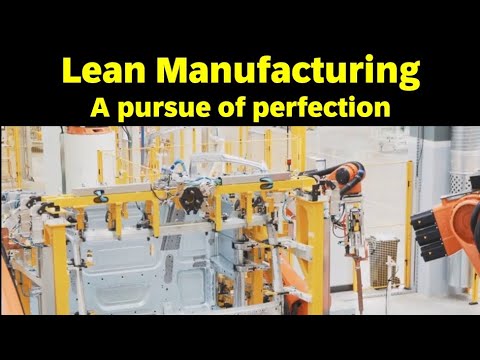
Manufacturing excellence is the pursuit of perfection in the production of goods and services. It involves the implementation of best practices, continuous improvement, and a commitment to quality and customer satisfaction. Companies that strive for manufacturing excellence, such as Toyota, General Electric, and Caterpillar, have seen significant improvements in efficiency, productivity, and profitability. The journey to manufacturing excellence requires a long-term commitment to change and a willingness to invest in people, processes, and technology. As noted by Shigeo Shingo, a renowned expert in manufacturing excellence, 'the pursuit of perfection is a never-ending journey'. To achieve manufacturing excellence, companies must adopt a lean manufacturing approach, focusing on eliminating waste and maximizing value-added activities. This can be achieved through the implementation of Total Productive Maintenance (TPM), Just-in-Time (JIT), and Total Quality Management (TQM).
💡 The History of Manufacturing Excellence
The history of manufacturing excellence dates back to the early 20th century, when Henry Ford introduced the concept of the assembly line. This innovation revolutionized the manufacturing industry, increasing efficiency and reducing production costs. In the 1950s and 1960s, Japanese companies, such as Toyota and Honda, began to adopt and improve upon these concepts, developing the Toyota Production System (TPS). The TPS is a holistic approach to manufacturing that emphasizes continuous improvement, respect for people, and a commitment to quality. As noted by Taichi Ohno, a key developer of the TPS, 'the TPS is a system that is designed to produce high-quality products at low cost'. The TPS has been widely adopted and has had a significant impact on the development of manufacturing excellence. Companies such as General Motors and Ford Motor Company have also made significant contributions to the development of manufacturing excellence. The Malcolm Baldrige National Quality Award is a prestigious award that recognizes companies that have achieved excellence in quality management.
📈 The Benefits of Manufacturing Excellence
The benefits of manufacturing excellence are numerous and well-documented. Companies that achieve manufacturing excellence see significant improvements in efficiency, productivity, and profitability. They also experience improved quality, reduced lead times, and increased customer satisfaction. As noted by John Kotter, a renowned expert in organizational change, 'manufacturing excellence is a key driver of business success'. Companies that strive for manufacturing excellence, such as Procter & Gamble and 3M, have seen significant improvements in their bottom line. The implementation of Six Sigma and Lean Manufacturing methodologies has been shown to have a significant impact on a company's financial performance. A study by McKinsey found that companies that adopt these methodologies see an average increase in productivity of 20-30%. The benefits of manufacturing excellence are not limited to financial performance; they also have a positive impact on employee engagement and retention. Companies that prioritize manufacturing excellence, such as Google and Amazon, are often recognized as great places to work.
🔍 The Principles of Manufacturing Excellence
The principles of manufacturing excellence are centered around the concept of continuous improvement. This involves the identification and elimination of waste, the optimization of processes, and the empowerment of employees. As noted by Edward Deming, a renowned expert in quality management, 'quality is everyone's responsibility'. Companies that strive for manufacturing excellence, such as Caterpillar and John Deere, have implemented programs such as Total Productive Maintenance (TPM), Just-in-Time (JIT), and Total Quality Management (TQM). These programs are designed to promote a culture of continuous improvement and to empower employees to take ownership of their work. The implementation of Kaizen events and PDCA cycles has also been shown to be effective in driving continuous improvement. Companies such as Toyota and Honda have used these tools to drive innovation and improvement in their manufacturing processes.
📊 Key Performance Indicators (KPIs) for Manufacturing Excellence
Key performance indicators (KPIs) are used to measure the success of manufacturing excellence initiatives. These KPIs include metrics such as Overall Equipment Effectiveness (OEE), First Pass Yield (FPY), and Customer Satisfaction. Companies that strive for manufacturing excellence, such as Procter & Gamble and 3M, use these KPIs to track their progress and to identify areas for improvement. The use of Balanced Scorecard and Six Sigma methodologies has also been shown to be effective in measuring and improving manufacturing performance. A study by Harvard Business Review found that companies that use these methodologies see an average increase in productivity of 20-30%. The implementation of Manufacturing Execution Systems (MES) and Enterprise Resource Planning (ERP), such as SAP and Oracle, has also been shown to be effective in improving manufacturing performance.
🌎 Global Best Practices in Manufacturing Excellence
Global best practices in manufacturing excellence have been developed and implemented by companies around the world. These best practices include the use of Lean Manufacturing and Six Sigma methodologies, as well as the implementation of Total Productive Maintenance (TPM), Just-in-Time (JIT), and Total Quality Management (TQM). Companies such as Toyota and Honda have been recognized for their excellence in manufacturing and have been studied by companies around the world. The Shingo Prize is a prestigious award that recognizes companies that have achieved excellence in manufacturing. The implementation of Industry 4.0 technologies, such as Artificial Intelligence (AI), Internet of Things (IoT), and Robotics, has also been shown to be effective in improving manufacturing performance. Companies such as Siemens and GE have been at the forefront of this trend.
🤝 Collaboration and Communication in Manufacturing Excellence
Collaboration and communication are critical components of manufacturing excellence. Companies that strive for manufacturing excellence, such as Procter & Gamble and 3M, have implemented programs to promote collaboration and communication among employees. These programs include the use of Cross-Functional Teams and Team Building activities. The implementation of Collaboration Tools, such as Slack and Microsoft Teams, has also been shown to be effective in improving communication and collaboration. Companies such as Google and Amazon have been recognized for their innovative approaches to collaboration and communication. The use of Agile Methodologies has also been shown to be effective in improving collaboration and communication in manufacturing. A study by Forrester found that companies that use Agile Methodologies see an average increase in productivity of 20-30%.
📚 Continuous Learning and Improvement in Manufacturing Excellence
Continuous learning and improvement are critical components of manufacturing excellence. Companies that strive for manufacturing excellence, such as Caterpillar and John Deere, have implemented programs to promote continuous learning and improvement. These programs include the use of Training and Development programs, as well as Mentoring and Coaching activities. The implementation of Knowledge Management systems has also been shown to be effective in promoting continuous learning and improvement. Companies such as Toyota and Honda have been recognized for their commitment to continuous learning and improvement. The use of Design of Experiments (DOE), Statistical Process Control (SPC), and Quality Function Deployment (QFD), has also been shown to be effective in driving continuous improvement. A study by MIT found that companies that use these tools see an average increase in productivity of 20-30%.
🔧 Technology and Innovation in Manufacturing Excellence
Technology and innovation are critical components of manufacturing excellence. Companies that strive for manufacturing excellence, such as Siemens and GE, have implemented programs to promote technology and innovation. These programs include the use of Industry 4.0 technologies, such as Artificial Intelligence (AI), Internet of Things (IoT), and Robotics. The implementation of Additive Manufacturing and 3D Printing has also been shown to be effective in improving manufacturing performance. Companies such as Google and Amazon have been recognized for their innovative approaches to technology and innovation. The use of Digital Twin and Predictive Maintenance has also been shown to be effective in improving manufacturing performance. A study by Deloitte found that companies that use these technologies see an average increase in productivity of 20-30%.
📊 Metrics and Measurement in Manufacturing Excellence
Metrics and measurement are critical components of manufacturing excellence. Companies that strive for manufacturing excellence, such as Procter & Gamble and 3M, have implemented programs to promote metrics and measurement. These programs include the use of Key Performance Indicators (KPIs), such as Overall Equipment Effectiveness (OEE), First Pass Yield (FPY), and Customer Satisfaction. The implementation of Balanced Scorecard and Six Sigma methodologies has also been shown to be effective in measuring and improving manufacturing performance. Companies such as Toyota and Honda have been recognized for their commitment to metrics and measurement. The use of Manufacturing Execution Systems (MES), such as SAP and Oracle, has also been shown to be effective in improving manufacturing performance. A study by Harvard Business Review found that companies that use these methodologies see an average increase in productivity of 20-30%.
🏆 Awards and Recognition for Manufacturing Excellence
Awards and recognition are an important part of manufacturing excellence. Companies that strive for manufacturing excellence, such as Caterpillar and John Deere, have been recognized for their excellence in manufacturing. The Shingo Prize is a prestigious award that recognizes companies that have achieved excellence in manufacturing. The Malcolm Baldrige National Quality Award is another prestigious award that recognizes companies that have achieved excellence in quality management. Companies such as Toyota and Honda have been recognized for their commitment to manufacturing excellence. The use of Benchmarking and Best Practices has also been shown to be effective in improving manufacturing performance. A study by Forrester found that companies that use Benchmarking and Best Practices see an average increase in productivity of 20-30%.
🌟 Future of Manufacturing Excellence
The future of manufacturing excellence is exciting and rapidly evolving. Companies that strive for manufacturing excellence, such as Siemens and GE, are investing heavily in Industry 4.0 technologies, such as Artificial Intelligence (AI), Internet of Things (IoT), and Robotics. The implementation of Additive Manufacturing and 3D Printing is also expected to play a major role in the future of manufacturing excellence. Companies such as Google and Amazon are also expected to play a major role in shaping the future of manufacturing excellence. The use of Digital Twin and Predictive Maintenance is also expected to become more prevalent in the future. A study by Deloitte found that companies that invest in these technologies see an average increase in productivity of 20-30%.
Key Facts
- Year
- 2022
- Origin
- United States
- Category
- Industry and Manufacturing
- Type
- Concept
Frequently Asked Questions
What is manufacturing excellence?
Manufacturing excellence is the pursuit of perfection in the production of goods and services. It involves the implementation of best practices, continuous improvement, and a commitment to quality and customer satisfaction. Companies that strive for manufacturing excellence, such as Toyota and General Electric, have seen significant improvements in efficiency, productivity, and profitability. The journey to manufacturing excellence requires a long-term commitment to change and a willingness to invest in people, processes, and technology.
What are the benefits of manufacturing excellence?
The benefits of manufacturing excellence are numerous and well-documented. Companies that achieve manufacturing excellence see significant improvements in efficiency, productivity, and profitability. They also experience improved quality, reduced lead times, and increased customer satisfaction. As noted by John Kotter, a renowned expert in organizational change, 'manufacturing excellence is a key driver of business success'. Companies that strive for manufacturing excellence, such as Procter & Gamble and 3M, have seen significant improvements in their bottom line.
What are the key performance indicators (KPIs) for manufacturing excellence?
Key performance indicators (KPIs) for manufacturing excellence include metrics such as Overall Equipment Effectiveness (OEE), First Pass Yield (FPY), and Customer Satisfaction. Companies that strive for manufacturing excellence, such as Procter & Gamble and 3M, use these KPIs to track their progress and to identify areas for improvement. The use of Balanced Scorecard and Six Sigma methodologies has also been shown to be effective in measuring and improving manufacturing performance.
What is the role of technology in manufacturing excellence?
Technology plays a critical role in manufacturing excellence. Companies that strive for manufacturing excellence, such as Siemens and GE, have implemented programs to promote technology and innovation. These programs include the use of Industry 4.0 technologies, such as Artificial Intelligence (AI), Internet of Things (IoT), and Robotics. The implementation of Additive Manufacturing and 3D Printing has also been shown to be effective in improving manufacturing performance.
What is the future of manufacturing excellence?
The future of manufacturing excellence is exciting and rapidly evolving. Companies that strive for manufacturing excellence, such as Siemens and GE, are investing heavily in Industry 4.0 technologies, such as Artificial Intelligence (AI), Internet of Things (IoT), and Robotics. The implementation of Additive Manufacturing and 3D Printing is also expected to play a major role in the future of manufacturing excellence. Companies such as Google and Amazon are also expected to play a major role in shaping the future of manufacturing excellence.