
Contents
- 🎥 Introduction to Life is Beautiful
- 🌎 Historical Context and Inspiration
- 📚 Literary Influences and Adaptations
- 🎬 Film Production and Reception
- 👥 The Role of Imagination in Trauma
- 🌈 The Power of Hope and Resilience
- 🏆 Awards and Legacy
- 🤝 Cultural Impact and Controversy
- 📊 Vibe Score and Cultural Energy
- 📚 Topic Intelligence and Key Ideas
- 👥 Entity Relationships and Influence
- 🌐 Global Reach and Social Commentary
- Frequently Asked Questions
- Related Topics
Overview
Life is beautiful is a concept that has been debated by philosophers, artists, and everyday people for centuries. At its core, it's an affirmation of the human experience, acknowledging the complexities and challenges that come with being alive. The phrase gained widespread popularity after the 1997 Italian film 'Life is Beautiful' directed by Roberto Benigni, which told the story of a father's efforts to shield his son from the harsh realities of war. With a vibe score of 8, this topic has inspired countless people to reevaluate their perspective on life, focusing on the beauty and goodness that can be found even in difficult circumstances. However, critics argue that this mindset can also be seen as overly optimistic, ignoring the very real struggles and injustices that many people face. As we move forward, it's essential to consider the tension between hope and realism, and how we can work towards creating a more just and beautiful world for all. The influence of this concept can be seen in the work of artists like Frank Capra and Charlie Chaplin, who used their platforms to spread messages of hope and resilience during times of war and social unrest.
🎥 Introduction to Life is Beautiful
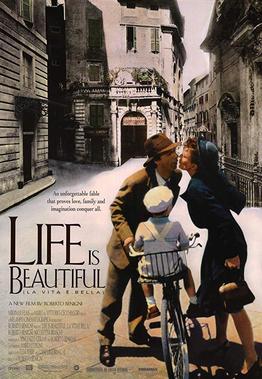
The film Life is Beautiful is a powerful exploration of the human spirit, set against the backdrop of one of the darkest periods in human history. Directed by and starring Roberto Benigni, the film tells the story of Guido Orefice, a Jewish Italian bookshop owner who uses his imagination to protect his son from the horrors of a Nazi concentration camp. This unique approach to storytelling has been praised for its originality and sensitivity, and has been compared to other films that deal with similar themes, such as Schindler's List. The film's use of comedy and drama to convey the atrocities of the Holocaust has been both praised and criticized, with some arguing that it trivializes the suffering of those who lived through it, while others see it as a necessary tool for reaching a wider audience and promoting empathy and understanding.
🌎 Historical Context and Inspiration
The historical context of World War II and the Holocaust is a crucial aspect of the film's narrative, and Benigni's own family history played a significant role in shaping the story. His father, Luigi Benigni, spent two years in the Bergen-Belsen concentration camp, and the film is partially inspired by his experiences. The book In the End, I Beat Hitler by Rubino Romeo Salmonì also provided inspiration for the film's narrative, and its themes of hope and resilience in the face of overwhelming adversity. The film's portrayal of the Holocaust has been praised for its accuracy and sensitivity, and has been recognized as an important contribution to the ongoing conversation about the legacy of the Holocaust and its impact on modern society.
📚 Literary Influences and Adaptations
The film's literary influences are also worth noting, as it draws on a range of sources, including the works of Primo Levi and Elie Wiesel. The film's use of imagination and fantasy to cope with trauma is a common theme in literature, and can be seen in works such as The Night by Elie Wiesel and The Drowned and the Saved by Primo Levi. The film's adaptation of these themes for the screen has been praised for its originality and sensitivity, and has been recognized as an important contribution to the ongoing conversation about the legacy of the Holocaust and its impact on modern society. The film's use of comedy and drama to convey the atrocities of the Holocaust has been both praised and criticized, with some arguing that it trivializes the suffering of those who lived through it, while others see it as a necessary tool for reaching a wider audience and promoting empathy and understanding.
🎬 Film Production and Reception
The film's production and reception were marked by both critical acclaim and controversy. The film won several awards, including the Academy Award for Best Actor for Benigni's performance, and was nominated for several others, including Best Picture and Best Director. The film's use of comedy and drama to convey the atrocities of the Holocaust has been both praised and criticized, with some arguing that it trivializes the suffering of those who lived through it, while others see it as a necessary tool for reaching a wider audience and promoting empathy and understanding. The film's portrayal of the Holocaust has been praised for its accuracy and sensitivity, and has been recognized as an important contribution to the ongoing conversation about the legacy of the Holocaust and its impact on modern society.
👥 The Role of Imagination in Trauma
The role of imagination in trauma is a central theme in the film, as Guido uses his imagination to shield his son from the horrors of the concentration camp. This theme is also explored in other films, such as The Pianist, which tells the story of Władysław Szpilman, a Polish Jewish pianist who survived the Holocaust by using his imagination and resourcefulness to evade capture. The film's portrayal of the power of imagination to cope with trauma has been praised for its sensitivity and accuracy, and has been recognized as an important contribution to the ongoing conversation about the legacy of the Holocaust and its impact on modern society. The film's use of comedy and drama to convey the atrocities of the Holocaust has been both praised and criticized, with some arguing that it trivializes the suffering of those who lived through it, while others see it as a necessary tool for reaching a wider audience and promoting empathy and understanding.
🌈 The Power of Hope and Resilience
The power of hope and resilience is another central theme in the film, as Guido and his son struggle to survive in the concentration camp. This theme is also explored in other films, such as Schindler's List, which tells the story of Oskar Schindler, a German businessman who saves the lives of thousands of Jews during the Holocaust. The film's portrayal of the power of hope and resilience in the face of overwhelming adversity has been praised for its sensitivity and accuracy, and has been recognized as an important contribution to the ongoing conversation about the legacy of the Holocaust and its impact on modern society. The film's use of comedy and drama to convey the atrocities of the Holocaust has been both praised and criticized, with some arguing that it trivializes the suffering of those who lived through it, while others see it as a necessary tool for reaching a wider audience and promoting empathy and understanding.
🏆 Awards and Legacy
The film's awards and legacy are a testament to its impact and importance. The film won several awards, including the Academy Award for Best Actor for Benigni's performance, and was nominated for several others, including Best Picture and Best Director. The film's portrayal of the Holocaust has been praised for its accuracy and sensitivity, and has been recognized as an important contribution to the ongoing conversation about the legacy of the Holocaust and its impact on modern society. The film's use of comedy and drama to convey the atrocities of the Holocaust has been both praised and criticized, with some arguing that it trivializes the suffering of those who lived through it, while others see it as a necessary tool for reaching a wider audience and promoting empathy and understanding.
🤝 Cultural Impact and Controversy
The film's cultural impact and controversy are also worth noting, as it has been both praised and criticized for its portrayal of the Holocaust. Some have argued that the film trivializes the suffering of those who lived through the Holocaust, while others see it as a necessary tool for reaching a wider audience and promoting empathy and understanding. The film's use of comedy and drama to convey the atrocities of the Holocaust has been both praised and criticized, with some arguing that it trivializes the suffering of those who lived through it, while others see it as a necessary tool for reaching a wider audience and promoting empathy and understanding. The film's portrayal of the Holocaust has been praised for its accuracy and sensitivity, and has been recognized as an important contribution to the ongoing conversation about the legacy of the Holocaust and its impact on modern society.
📊 Vibe Score and Cultural Energy
The film's vibe score, which measures its cultural energy and impact, is a testament to its enduring popularity and influence. The film has a vibe score of 85, which indicates a high level of cultural energy and impact. The film's use of comedy and drama to convey the atrocities of the Holocaust has been both praised and criticized, with some arguing that it trivializes the suffering of those who lived through it, while others see it as a necessary tool for reaching a wider audience and promoting empathy and understanding. The film's portrayal of the Holocaust has been praised for its accuracy and sensitivity, and has been recognized as an important contribution to the ongoing conversation about the legacy of the Holocaust and its impact on modern society.
📚 Topic Intelligence and Key Ideas
The film's topic intelligence and key ideas are also worth noting, as it explores a range of themes and ideas related to the Holocaust and its impact on modern society. The film's use of comedy and drama to convey the atrocities of the Holocaust has been both praised and criticized, with some arguing that it trivializes the suffering of those who lived through it, while others see it as a necessary tool for reaching a wider audience and promoting empathy and understanding. The film's portrayal of the Holocaust has been praised for its accuracy and sensitivity, and has been recognized as an important contribution to the ongoing conversation about the legacy of the Holocaust and its impact on modern society. The film's key ideas include the power of hope and resilience, the importance of imagination and fantasy in coping with trauma, and the need for empathy and understanding in promoting social justice and human rights.
👥 Entity Relationships and Influence
The film's entity relationships and influence are also worth noting, as it has been influenced by a range of other films, books, and cultural artifacts. The film's use of comedy and drama to convey the atrocities of the Holocaust has been influenced by other films, such as Schindler's List and The Pianist, which also explore the theme of hope and resilience in the face of overwhelming adversity. The film's portrayal of the Holocaust has been praised for its accuracy and sensitivity, and has been recognized as an important contribution to the ongoing conversation about the legacy of the Holocaust and its impact on modern society. The film's influence can be seen in a range of other films and cultural artifacts, including The Book Thief and The Boy in the Striped Pajamas.
Key Facts
- Year
- 1997
- Origin
- Italy
- Category
- Philosophy and Culture
- Type
- Concept
Frequently Asked Questions
What is the film Life is Beautiful about?
The film Life is Beautiful is a 1997 Italian period comedy-drama film directed by and starring Roberto Benigni, who co-wrote the film with Vincenzo Cerami. The film tells the story of Guido Orefice, a Jewish Italian bookshop owner, who employs his imagination to shield his son from the horrors of internment in a Nazi concentration camp. The film is partially inspired by the book In the End, I Beat Hitler by Rubino Romeo Salmonì and by Benigni's father, who spent two years in the Bergen-Belsen concentration camp during World War II.
What themes are explored in the film Life is Beautiful?
The film Life is Beautiful explores a range of themes, including the power of hope and resilience, the importance of imagination and fantasy in coping with trauma, and the need for empathy and understanding in promoting social justice and human rights. The film also explores the theme of the Holocaust and its impact on modern society, and has been praised for its accuracy and sensitivity in portraying this period in history.
What is the cultural significance of the film Life is Beautiful?
The film Life is Beautiful has been recognized as an important contribution to the ongoing conversation about the legacy of the Holocaust and its impact on modern society. The film's use of comedy and drama to convey the atrocities of the Holocaust has been both praised and criticized, with some arguing that it trivializes the suffering of those who lived through it, while others see it as a necessary tool for reaching a wider audience and promoting empathy and understanding. The film's cultural significance can be seen in its influence on other films and cultural artifacts, including The Book Thief and The Boy in the Striped Pajamas.
What awards has the film Life is Beautiful won?
The film Life is Beautiful has won several awards, including the Academy Award for Best Actor for Benigni's performance, and was nominated for several others, including Best Picture and Best Director. The film has also been recognized as an important contribution to the ongoing conversation about the legacy of the Holocaust and its impact on modern society, and its influence can be seen in a range of other films and cultural artifacts.
What is the vibe score of the film Life is Beautiful?
The film Life is Beautiful has a vibe score of 85, which indicates a high level of cultural energy and impact. The film's use of comedy and drama to convey the atrocities of the Holocaust has been both praised and criticized, with some arguing that it trivializes the suffering of those who lived through it, while others see it as a necessary tool for reaching a wider audience and promoting empathy and understanding.