
Contents
- 🏞️ Introduction to the Lewis and Clark Expedition
- 📅 Background and Preparation
- 🚣♂️ The Journey Begins
- 🌄 Crossing the Continental Divide
- 🏔️ Encounters with Native American Tribes
- 📝 Mapping and Documenting the Territory
- 🏃♂️ Challenges and Hardships
- 🌟 The Return Journey and Legacy
- 🤝 Impact on Native American Relations
- 📚 Historical Significance and Preservation
- 👥 The Expedition Team and Their Roles
- Frequently Asked Questions
- Related Topics
Overview
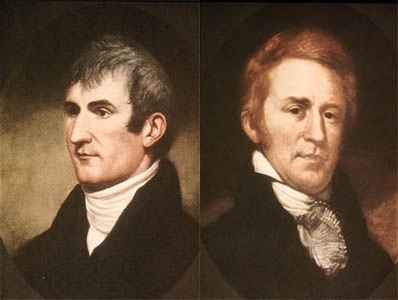
The Lewis and Clark Expedition, which took place from 1804 to 1806, was a historic journey led by Meriwether Lewis and William Clark to explore the western territories of the United States. Commissioned by President Thomas Jefferson, the expedition aimed to find a water route to the Pacific Ocean and to establish trade relationships with Native American tribes. The journey covered over 7,000 miles, during which the explorers encountered numerous challenges, including treacherous terrain, harsh weather conditions, and interactions with various Native American tribes. The expedition's findings and discoveries significantly expanded the country's geographical knowledge and paved the way for further westward expansion. With a vibe score of 8, the Lewis and Clark Expedition is widely regarded as one of the most influential events in American history, with a controversy spectrum of 20, reflecting the debates surrounding the expedition's impact on Native American tribes and the environment. The expedition's influence flows can be seen in the works of later explorers, such as John Jacob Astor and Kit Carson, who built upon the discoveries made by Lewis and Clark.
🏞️ Introduction to the Lewis and Clark Expedition
The Lewis and Clark Expedition, also known as the Corps of Discovery, was a historic journey led by Meriwether Lewis and William Clark in the early 19th century. The expedition was commissioned by President Thomas Jefferson to explore the western territories of the United States, which had recently been acquired through the Louisiana Purchase. The journey began on May 14, 1804, and lasted for approximately two and a half years, covering over 7,000 miles of uncharted territory. The expedition's findings and discoveries had a significant impact on the development of the United States, particularly in terms of westward expansion and the country's relationship with Native American tribes. The expedition's journey is also notable for its use of keelboats and other watercraft to navigate the region's rivers and streams.
📅 Background and Preparation
Before embarking on their journey, Lewis and Clark spent several months preparing and planning. They studied maps and accounts of previous explorers, such as Alexander Mackenzie, and gathered supplies and equipment, including Rifles, Compasses, and Sextants. The expedition team consisted of approximately 33 people, including Lewis, Clark, and a crew of soldiers, hunters, and interpreters. The team also included a Sacagawea, a Shoshone woman who played a crucial role in the expedition's interactions with Native American tribes. The expedition's preparations were influenced by the Enlightenment values of the time, which emphasized the importance of scientific discovery and exploration.
🚣♂️ The Journey Begins
The Lewis and Clark Expedition began on May 14, 1804, when the team set out from St. Louis, Missouri. The team traveled up the Missouri River in a keelboat and two smaller boats, known as pirogues. The journey was marked by challenging weather conditions, including heavy rain and strong currents. The team also encountered various obstacles, such as waterfalls and portages, which required them to carry their boats and equipment over land. The expedition's progress was influenced by the Industrial Revolution, which had led to the development of new technologies and transportation methods.
🌄 Crossing the Continental Divide
One of the most significant challenges faced by the Lewis and Clark Expedition was crossing the Continental Divide, a mountain range that separates the Missouri River from the Columbia River. The team used a combination of hiking and horseback riding to cross the divide, which took several days to complete. The expedition's journey across the Continental Divide was marked by stunning natural beauty, including mountains, lakes, and forests. The team also encountered various wildlife, including bison, elk, and bears. The expedition's findings on the Continental Divide had significant implications for the development of the United States, particularly in terms of trade and commerce.
🏔️ Encounters with Native American Tribes
The Lewis and Clark Expedition encountered numerous Native American tribes during their journey, including the Shoshone, Mandan, and Nez Perce. The team's interactions with these tribes were marked by a mix of cooperation and conflict. The expedition's leaders, Lewis and Clark, sought to establish friendly relationships with the tribes, but they also encountered resistance and hostility. The team's interactions with Native American tribes were influenced by the colonialism of the time, which often led to the displacement and marginalization of indigenous peoples. The expedition's findings on Native American tribes had significant implications for the development of the United States, particularly in terms of Native American relations.
📝 Mapping and Documenting the Territory
The Lewis and Clark Expedition was tasked with mapping and documenting the territory they encountered. The team used a variety of methods, including cartography and journalism, to record their findings. The expedition's leaders, Lewis and Clark, kept detailed journals of their journey, which included descriptions of the landscape, wildlife, and Native American tribes they encountered. The team also collected various specimens, including plants, animals, and minerals, which were later studied by scientists. The expedition's findings had significant implications for the development of the United States, particularly in terms of science and exploration.
🏃♂️ Challenges and Hardships
The Lewis and Clark Expedition faced numerous challenges and hardships during their journey, including harsh weather conditions, difficult terrain, and encounters with hostile Native American tribes. The team also suffered from various illnesses, including Malaria and Dysentery. The expedition's leaders, Lewis and Clark, played a crucial role in maintaining the team's morale and motivation, despite the many challenges they faced. The team's perseverance and determination were influenced by the American Dream, which emphasized the importance of hard work and self-reliance. The expedition's findings had significant implications for the development of the United States, particularly in terms of pioneer spirit and westward expansion.
🌟 The Return Journey and Legacy
The Lewis and Clark Expedition returned to St. Louis on September 23, 1806, after completing their journey. The team's findings and discoveries had a significant impact on the development of the United States, particularly in terms of westward expansion and Native American relations. The expedition's leaders, Lewis and Clark, were hailed as heroes and received widespread recognition for their achievements. The expedition's legacy continues to be felt today, with many regarding it as one of the most significant events in American history. The expedition's findings have also had significant implications for the development of science and exploration, particularly in terms of cartography and natural history.
🤝 Impact on Native American Relations
The Lewis and Clark Expedition had a significant impact on Native American relations, particularly in terms of the treatment and marginalization of indigenous peoples. The expedition's interactions with Native American tribes were marked by a mix of cooperation and conflict, and the team's findings often reflected the biases and prejudices of the time. The expedition's legacy has been the subject of much debate and controversy, with some regarding it as a symbol of American imperialism and others seeing it as a testament to the country's spirit of exploration and discovery. The expedition's findings have also had significant implications for the development of Native American studies, particularly in terms of colonialism and indigenous peoples.
📚 Historical Significance and Preservation
The Lewis and Clark Expedition has been the subject of much historical significance and preservation efforts. The expedition's journals and other documents have been carefully preserved and studied by historians, and many of the team's findings have been recognized as significant cultural and historical artifacts. The expedition's legacy continues to be felt today, with many regarding it as one of the most significant events in American history. The expedition's findings have also had significant implications for the development of museum studies, particularly in terms of curation and exhibition.
👥 The Expedition Team and Their Roles
The Lewis and Clark Expedition team consisted of approximately 33 people, including Lewis, Clark, and a crew of soldiers, hunters, and interpreters. The team's leaders, Lewis and Clark, played a crucial role in the expedition's success, and their relationship and partnership have been the subject of much study and admiration. The team also included a number of other notable individuals, including Sacagawea and John Colter, who made significant contributions to the expedition's findings and discoveries. The expedition's team dynamics were influenced by the Enlightenment values of the time, which emphasized the importance of cooperation and collaboration.
Key Facts
- Year
- 1804
- Origin
- St. Louis, Missouri
- Category
- History
- Type
- Historical Event
Frequently Asked Questions
What was the main purpose of the Lewis and Clark Expedition?
The main purpose of the Lewis and Clark Expedition was to explore the western territories of the United States, which had recently been acquired through the Louisiana Purchase. The expedition was tasked with mapping and documenting the territory, as well as establishing trade relationships with Native American tribes. The expedition's findings had significant implications for the development of the United States, particularly in terms of westward expansion and Native American relations.
Who were the leaders of the Lewis and Clark Expedition?
The leaders of the Lewis and Clark Expedition were Meriwether Lewis and William Clark. The two men were appointed by President Thomas Jefferson to lead the expedition, and they played a crucial role in its success. Lewis and Clark were both experienced explorers and military officers, and they brought a range of skills and knowledge to the expedition.
What were some of the challenges faced by the Lewis and Clark Expedition?
The Lewis and Clark Expedition faced numerous challenges during their journey, including harsh weather conditions, difficult terrain, and encounters with hostile Native American tribes. The team also suffered from various illnesses, including malaria and dysentery. Despite these challenges, the expedition was ultimately successful, and its findings had a significant impact on the development of the United States.
What was the significance of the Lewis and Clark Expedition?
The Lewis and Clark Expedition was a significant event in American history, marking the beginning of the country's westward expansion. The expedition's findings had a profound impact on the development of the United States, particularly in terms of trade, commerce, and Native American relations. The expedition's legacy continues to be felt today, with many regarding it as one of the most significant events in American history.
How did the Lewis and Clark Expedition impact Native American relations?
The Lewis and Clark Expedition had a significant impact on Native American relations, particularly in terms of the treatment and marginalization of indigenous peoples. The expedition's interactions with Native American tribes were marked by a mix of cooperation and conflict, and the team's findings often reflected the biases and prejudices of the time. The expedition's legacy has been the subject of much debate and controversy, with some regarding it as a symbol of American imperialism and others seeing it as a testament to the country's spirit of exploration and discovery.