
Contents
- 🌟 Introduction to LED Lights
- 💡 History of LED Development
- 🔍 How LED Lights Work
- 💻 LED Lighting Technology
- 🏠 Residential LED Lighting
- 🏢 Commercial LED Lighting
- 🚀 Future of LED Lighting
- 🌎 Environmental Impact of LED Lights
- 💸 Economic Benefits of LED Lights
- 🔋 LED Lighting Innovations
- 🤝 Conclusion: The Illuminated Revolution
- Frequently Asked Questions
- Related Topics
Overview
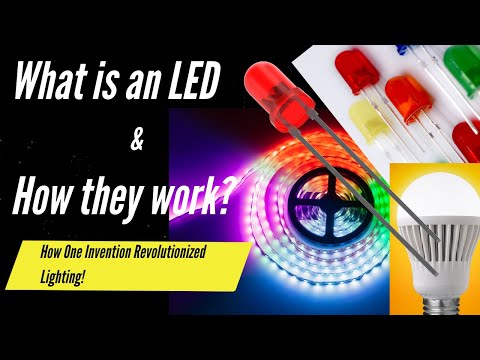
The world of lighting has undergone a significant transformation with the advent of LED lights. These energy-efficient and environmentally friendly lights have revolutionized the way we illuminate our homes, workplaces, and public spaces. LED Lighting technology has come a long way since its inception, with Nick Holonyak inventing the first practical visible LED in 1962. Today, LED lights are used in a wide range of applications, from Residential Lighting to Commercial Lighting. With their long lifespan and low energy consumption, LED lights have become the preferred choice for many consumers. Energy Efficient lighting solutions are in high demand, and LED lights are leading the way.
💡 History of LED Development
The history of LED development is a fascinating story that spans several decades. The first LED was invented in 1962 by Nick Holonyak, but it was not until the 1990s that LED lights became commercially viable. The introduction of High-Brightness LED technology in the 1990s marked a significant milestone in the development of LED lights. Since then, LED lights have undergone rapid advancements, with improvements in LED Manufacturing processes and the development of new materials. LED Patents have played a crucial role in driving innovation in the industry. Today, LED lights are used in a wide range of applications, from Automotive Lighting to Industrial Lighting.
🔍 How LED Lights Work
So, how do LED lights work? The basic principle behind LED lights is the emission of light through a process called electroluminescence. When an electric current passes through a Semiconductor Material, it releases energy in the form of light. This process is highly efficient, with LED Efficiency rates of up to 50%. In contrast, traditional incandescent bulbs have an efficiency rate of only 2-5%. The high efficiency of LED lights makes them an attractive option for consumers looking to reduce their energy consumption. LED Drivers play a critical role in ensuring the efficient operation of LED lights. Thermal Management is also essential to prevent overheating and ensure the longevity of LED lights.
💻 LED Lighting Technology
LED lighting technology has come a long way since its inception. The development of LED Chip technology has enabled the creation of high-brightness LED lights. LED Package design has also improved significantly, with the introduction of new materials and designs. LED Optics play a critical role in determining the direction and intensity of the light emitted. LED Color temperature is another important factor, with different color temperatures suitable for different applications. Smart Lighting solutions are also becoming increasingly popular, with the integration of IoT Technology and Wireless Communication protocols.
🏠 Residential LED Lighting
Residential LED lighting has become increasingly popular in recent years. With the rising cost of energy, consumers are looking for ways to reduce their energy consumption and save money. Residential LED Lighting offers a highly efficient and cost-effective solution. LED lights are available in a wide range of styles and designs, from Table Lamps to Ceiling Fixtures. LED Bulbs are also available in different color temperatures, making them suitable for different rooms and applications. Home Automation systems can also be integrated with LED lighting to create a smart and energy-efficient home.
🏢 Commercial LED Lighting
Commercial LED lighting is another area where LED lights have made a significant impact. With the high energy consumption of commercial buildings, LED lights offer a highly efficient and cost-effective solution. Commercial LED Lighting is used in a wide range of applications, from Office Lighting to Retail Lighting. LED Troffers and LED Linear Fixtures are popular options for commercial buildings. LED High Bay lighting is also used in warehouses and industrial facilities. Building Automation systems can also be integrated with LED lighting to create a smart and energy-efficient building.
🚀 Future of LED Lighting
The future of LED lighting is exciting and full of possibilities. With the rapid advancements in LED Technology, we can expect to see even more efficient and innovative LED lighting solutions. Quantum Dot LED technology is one area that holds great promise, with the potential to create even more efficient and colorful LED lights. Micro LED technology is another area that is gaining attention, with the potential to create highly efficient and compact LED lights. LED Laser technology is also being explored, with the potential to create highly efficient and directional LED lights.
🌎 Environmental Impact of LED Lights
The environmental impact of LED lights is a significant advantage over traditional lighting solutions. With the high energy consumption of traditional lighting solutions, LED lights offer a highly efficient and environmentally friendly alternative. LED Recycling is also an important consideration, with the potential to reduce waste and minimize the environmental impact of LED lights. Sustainable Lighting solutions are becoming increasingly popular, with the integration of Renewable Energy sources and Energy Harvesting technologies. Green Building practices are also being adopted, with the use of LED lights and other sustainable lighting solutions.
💸 Economic Benefits of LED Lights
The economic benefits of LED lights are significant, with the potential to save consumers and businesses a substantial amount of money. With the high energy consumption of traditional lighting solutions, LED lights offer a highly efficient and cost-effective alternative. LED Cost-Benefit analysis has shown that LED lights can pay for themselves in a relatively short period of time. Energy Savings are also a significant advantage, with the potential to reduce energy consumption and lower energy bills. Maintenance Costs are also reduced, with the long lifespan of LED lights minimizing the need for frequent replacements.
🔋 LED Lighting Innovations
LED lighting innovations are constantly evolving, with new and innovative products being developed all the time. LED Innovations such as Smart LED lighting and Wireless LED lighting are becoming increasingly popular. LED Design is also an important consideration, with the creation of highly efficient and aesthetically pleasing LED lighting solutions. LED Materials are also being developed, with the creation of new and innovative materials that can be used to create highly efficient and durable LED lights.
🤝 Conclusion: The Illuminated Revolution
In conclusion, the illuminated revolution of LED lights has transformed the way we think about lighting. With their high efficiency, long lifespan, and environmental benefits, LED lights have become the preferred choice for many consumers. As technology continues to evolve, we can expect to see even more innovative and efficient LED lighting solutions. LED Future is bright, with the potential to create a more sustainable and energy-efficient world. Sustainable Future is possible, with the adoption of LED lighting and other sustainable technologies.
Key Facts
- Year
- 1962
- Origin
- USA
- Category
- Technology
- Type
- Technology
Frequently Asked Questions
What is the average lifespan of an LED light?
The average lifespan of an LED light is around 50,000 hours, which is significantly longer than traditional incandescent bulbs. LED Lifespan can vary depending on the quality of the LED and the operating conditions. LED Maintenance is also an important consideration, with the need to clean and inspect LED lights regularly to ensure optimal performance.
Are LED lights more expensive than traditional lighting solutions?
While LED lights may be more expensive than traditional lighting solutions upfront, they offer significant long-term cost savings. LED Cost can be higher, but the energy savings and longer lifespan of LED lights make them a cost-effective option in the long run. LED ROI can be significant, with the potential to pay for themselves in a relatively short period of time.
Can LED lights be used in outdoor applications?
Yes, LED lights can be used in outdoor applications, such as Outdoor Lighting and Landscape Lighting. LED Weather Resistance is an important consideration, with the need to protect LED lights from the elements. LED UV Resistance is also important, with the need to protect LED lights from the harmful effects of UV radiation.
Are LED lights environmentally friendly?
Yes, LED lights are environmentally friendly, with the potential to reduce energy consumption and minimize waste. LED Environmental Impact is significant, with the potential to reduce greenhouse gas emissions and minimize the environmental impact of lighting. Sustainable Lighting solutions are becoming increasingly popular, with the integration of Renewable Energy sources and Energy Harvesting technologies.
Can LED lights be used in smart lighting applications?
Yes, LED lights can be used in Smart Lighting applications, with the integration of IoT Technology and Wireless Communication protocols. LED Smart Lighting solutions are becoming increasingly popular, with the potential to create highly efficient and automated lighting systems. Home Automation systems can also be integrated with LED lighting to create a smart and energy-efficient home.
What is the difference between LED and incandescent bulbs?
The main difference between LED and incandescent bulbs is the way they produce light. Incandescent bulbs produce light through a filament, while LED bulbs produce light through a Semiconductor Material. LED vs Incandescent bulbs have significant differences in terms of energy efficiency, lifespan, and environmental impact. LED Advantages include high efficiency, long lifespan, and environmental benefits.
Can LED lights be used in automotive applications?
Yes, LED lights can be used in Automotive Lighting applications, such as Headlights and Taillights. LED Automotive lighting solutions are becoming increasingly popular, with the potential to improve safety and reduce energy consumption. Automotive LED lights are designed to meet the unique demands of automotive applications, with the need for high reliability and durability.