
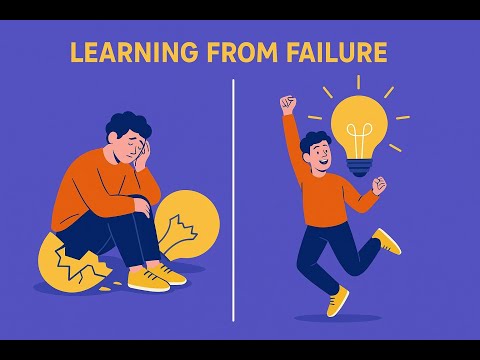
Contents
- 📚 Introduction to Learning from Failure
- 💡 The Psychology of Failure
- 📊 The Statistics of Failure
- 🔍 Analyzing Failure
- 📈 Turning Failure into Success
- 👥 Learning from Others' Failures
- 📝 Documenting Failure
- 🚀 Embracing a Growth Mindset
- 💻 Technology and Learning from Failure
- 🌎 Global Perspectives on Failure
- 📊 Measuring Progress
- 🏆 Overcoming Fear of Failure
- Frequently Asked Questions
- Related Topics
Overview
Learning from failure is a crucial aspect of personal and professional growth, with a vibe score of 8 out of 10, indicating a high level of cultural energy. This concept has been explored by numerous thought leaders, including J.K. Rowling, who has spoken about the importance of perseverance in the face of failure. The idea of learning from failure is rooted in the concept of a growth mindset, which was first introduced by Carol Dweck in 2006. According to Dweck, individuals with a growth mindset believe that their abilities can be developed through dedication and hard work, whereas those with a fixed mindset believe that their abilities are innate. The controversy surrounding learning from failure lies in the fact that it can be difficult to distinguish between constructive and destructive failure, with some arguing that excessive failure can lead to decreased motivation and self-esteem. Despite this, many successful individuals, including Thomas Edison and Steve Jobs, have credited their failures as a key factor in their success. As we move forward, it's essential to consider how we can apply the principles of learning from failure to emerging technologies, such as AI and machine learning, and how these technologies can be used to facilitate more effective learning from failure.
📚 Introduction to Learning from Failure
The concept of learning from failure is a crucial aspect of personal development. It involves analyzing and understanding the reasons behind a failure, and using that knowledge to improve and grow. Failure analysis is a key component of this process, as it helps individuals identify the root causes of their mistakes. By embracing failure as a learning opportunity, people can develop a growth mindset and become more resilient in the face of adversity. According to Carol Dweck, a renowned psychologist, a growth mindset is essential for overcoming obstacles and achieving success. Resilience is also a vital trait for individuals to develop, as it enables them to bounce back from setbacks and maintain their motivation.
💡 The Psychology of Failure
The psychology of failure is a complex and multifaceted field of study. It involves understanding the emotional and cognitive responses to failure, as well as the factors that contribute to an individual's ability to learn from their mistakes. Cognitive biases can play a significant role in shaping our perceptions of failure, and self-reflection is essential for recognizing and overcoming these biases. By developing a deeper understanding of the psychology of failure, individuals can develop more effective strategies for overcoming fear and building confidence. Neuroplasticity also plays a crucial role in this process, as it enables the brain to rewire and adapt in response to new experiences and challenges. Mindfulness practices can help individuals cultivate a greater awareness of their thoughts and emotions, allowing them to better navigate the challenges of failure.
📊 The Statistics of Failure
The statistics of failure are often surprising and counterintuitive. For example, Thomas Edison is famously quoted as saying that he failed over 1,000 times before inventing the light bulb. Similarly, J.K. Rowling was rejected by numerous publishers before her Harry Potter series was finally accepted. These stories illustrate the importance of persistence and determination in the face of failure. By studying the statistics of failure, individuals can gain a deeper understanding of the role that failure plays in the learning process. Data analysis can also help individuals identify patterns and trends in their failures, allowing them to develop more targeted strategies for improvement. Failure rate is an important metric to track, as it can provide valuable insights into the effectiveness of different approaches and strategies.
🔍 Analyzing Failure
Analyzing failure is a critical step in the learning process. It involves identifying the root causes of a failure, as well as the factors that contributed to it. Root cause analysis is a powerful tool for this purpose, as it enables individuals to drill down to the underlying causes of a problem. By analyzing failure, individuals can develop a deeper understanding of what went wrong, and how they can improve in the future. Lessons learned are a key outcome of this process, as they provide a framework for applying the insights and knowledge gained from a failure to future challenges. Knowledge management is also essential for capturing and sharing the lessons learned from failure, allowing individuals and organizations to build on their experiences and improve over time. Collaboration can facilitate this process, as it enables individuals to share their insights and expertise with others.
📈 Turning Failure into Success
Turning failure into success is a key aspect of the learning process. It involves taking the insights and knowledge gained from a failure, and using them to improve and grow. Failure to success stories are inspiring examples of this process, as they illustrate the potential for failure to be a catalyst for growth and transformation. By embracing failure as a learning opportunity, individuals can develop a growth mindset and become more resilient in the face of adversity. Innovation is often the result of this process, as individuals are forced to think creatively and develop new solutions to complex problems. Design thinking is a powerful approach for driving innovation, as it involves a deep understanding of the needs and desires of users. User experience is a critical factor in this process, as it determines the ultimate success or failure of a product or service.
👥 Learning from Others' Failures
Learning from others' failures is a valuable way to gain insights and knowledge. It involves studying the experiences of others, and applying the lessons learned to one's own life. Case studies are a powerful tool for this purpose, as they provide a detailed analysis of a particular failure or success. By learning from others' failures, individuals can avoid making the same mistakes, and develop more effective strategies for achieving their goals. Mentorship is also an important aspect of this process, as it provides individuals with guidance and support from experienced mentors. Coaching can help individuals develop the skills and confidence they need to succeed, while peer support can provide a sense of community and connection with others who are facing similar challenges.
📝 Documenting Failure
Documenting failure is an important step in the learning process. It involves recording and reflecting on the experiences and insights gained from a failure. Failure journal is a powerful tool for this purpose, as it provides a framework for capturing and analyzing the lessons learned from a failure. By documenting failure, individuals can develop a deeper understanding of what went wrong, and how they can improve in the future. Knowledge capture is a critical aspect of this process, as it enables individuals to retain and apply the insights and knowledge gained from a failure. Information management is also essential for organizing and retrieving the knowledge and insights gained from failure, allowing individuals to build on their experiences and improve over time.
🚀 Embracing a Growth Mindset
Embracing a growth mindset is essential for learning from failure. It involves believing that one's abilities and intelligence can be developed through hard work and dedication. Growth mindset is a key concept in this process, as it enables individuals to view challenges as opportunities for growth and development. By embracing a growth mindset, individuals can develop a more positive and resilient attitude towards failure, and become more motivated to learn and improve. Self-efficacy is a critical factor in this process, as it determines an individual's confidence in their ability to succeed. Motivation is also essential, as it drives individuals to take action and pursue their goals.
💻 Technology and Learning from Failure
Technology and learning from failure are closely intertwined. Technology provides a range of tools and platforms for analyzing and learning from failure, from data analysis software to collaboration tools. By leveraging technology, individuals can develop more effective strategies for learning from failure, and become more resilient in the face of adversity. Artificial intelligence is also being used to develop more sophisticated tools for analyzing and learning from failure, such as predictive analytics and machine learning. Digital transformation is driving the adoption of these technologies, as organizations seek to become more agile and responsive to changing market conditions.
🌎 Global Perspectives on Failure
Global perspectives on failure are diverse and complex. Culture plays a significant role in shaping our attitudes towards failure, with some cultures viewing failure as a source of shame and others seeing it as an opportunity for growth. By studying global perspectives on failure, individuals can gain a deeper understanding of the role that failure plays in different cultures and societies. International business is one area where global perspectives on failure are particularly relevant, as companies must navigate different cultural norms and expectations when operating in foreign markets. Globalization is driving the need for greater cultural awareness and understanding, as individuals and organizations interact with people from diverse backgrounds and cultures.
📊 Measuring Progress
Measuring progress is a critical aspect of the learning process. It involves tracking and evaluating the insights and knowledge gained from a failure, and using that information to inform future decisions and actions. Metrics are a key tool for this purpose, as they provide a framework for measuring and evaluating progress. By measuring progress, individuals can develop a deeper understanding of what is working and what is not, and make adjustments accordingly. Evaluation is a critical aspect of this process, as it enables individuals to assess the effectiveness of their strategies and make data-driven decisions. Assessment is also essential, as it provides a framework for evaluating the knowledge and skills gained from a failure.
🏆 Overcoming Fear of Failure
Overcoming fear of failure is a significant challenge for many individuals. Fear of failure can hold people back from pursuing their goals and dreams, and prevent them from taking risks and trying new things. By developing a growth mindset and learning to view failure as an opportunity for growth and development, individuals can overcome their fear of failure and become more resilient in the face of adversity. Resilience is a critical factor in this process, as it enables individuals to bounce back from setbacks and maintain their motivation. Self-confidence is also essential, as it determines an individual's willingness to take risks and pursue their goals.
Key Facts
- Year
- 2006
- Origin
- Carol Dweck's Mindset: The New Psychology of Success
- Category
- Personal Development
- Type
- Concept
Frequently Asked Questions
What is the importance of learning from failure?
Learning from failure is essential for personal growth and development. It involves analyzing and understanding the reasons behind a failure, and using that knowledge to improve and grow. By learning from failure, individuals can develop a growth mindset, become more resilient, and achieve their goals. According to Carol Dweck, a growth mindset is essential for overcoming obstacles and achieving success. Resilience is also a vital trait for individuals to develop, as it enables them to bounce back from setbacks and maintain their motivation.
How can I overcome my fear of failure?
Overcoming fear of failure requires a combination of strategies, including developing a growth mindset, building self-confidence, and learning to view failure as an opportunity for growth and development. It also involves taking small risks and trying new things, and being willing to learn from mistakes. Self-reflection is essential for recognizing and overcoming the fears and doubts that hold us back. Mindfulness practices can also help individuals cultivate a greater awareness of their thoughts and emotions, allowing them to better navigate the challenges of failure.
What are some common cognitive biases that can prevent us from learning from failure?
There are several cognitive biases that can prevent us from learning from failure, including the confirmation bias, the anchoring bias, and the hindsight bias. These biases can lead us to misinterpret or distort information, and prevent us from gaining a accurate understanding of what went wrong. Critical thinking is essential for recognizing and overcoming these biases, as it enables individuals to evaluate information objectively and make informed decisions.
How can I document my failures and learn from them?
Documenting failures involves recording and reflecting on the experiences and insights gained from a failure. This can be done through a failure journal, or by using other tools and platforms for capturing and analyzing data. By documenting failures, individuals can develop a deeper understanding of what went wrong, and how they can improve in the future. Knowledge capture is a critical aspect of this process, as it enables individuals to retain and apply the insights and knowledge gained from a failure.
What is the role of technology in learning from failure?
Technology plays a significant role in learning from failure, as it provides a range of tools and platforms for analyzing and learning from failure. These include data analysis software, collaboration tools, and other digital platforms for capturing and sharing knowledge. By leveraging technology, individuals can develop more effective strategies for learning from failure, and become more resilient in the face of adversity. Artificial intelligence is also being used to develop more sophisticated tools for analyzing and learning from failure, such as predictive analytics and machine learning.
How can I develop a growth mindset and learn to view failure as an opportunity for growth and development?
Developing a growth mindset involves believing that one's abilities and intelligence can be developed through hard work and dedication. It also involves being open to challenges and viewing failure as an opportunity for growth and development. This can be achieved through self-reflection, mindfulness practices, and a willingness to take risks and try new things. Resilience is a critical factor in this process, as it enables individuals to bounce back from setbacks and maintain their motivation.
What are some common mistakes that people make when trying to learn from failure?
There are several common mistakes that people make when trying to learn from failure, including not taking the time to reflect on the experience, not being willing to take risks and try new things, and not seeking out feedback and support from others. Self-awareness is essential for recognizing and overcoming these mistakes, as it enables individuals to evaluate their own strengths and weaknesses. Accountability is also critical, as it ensures that individuals are responsible for their actions and outcomes.