
Contents
- 🌎 Introduction to Laws of War
- 📜 Historical Development of International Law
- 🤝 Principles of Distinction and Proportionality
- 🚫 Prohibition of Certain Weapons
- 🌈 Sovereignty and Nationhood
- 🏛️ States and Territories
- 🕊️ Occupation and Surrender
- 👮 Treatment of Prisoners of War
- 📊 Military Necessity and Proportionality
- 🚀 Modern Challenges in Laws of War
- Frequently Asked Questions
- Related Topics
Overview
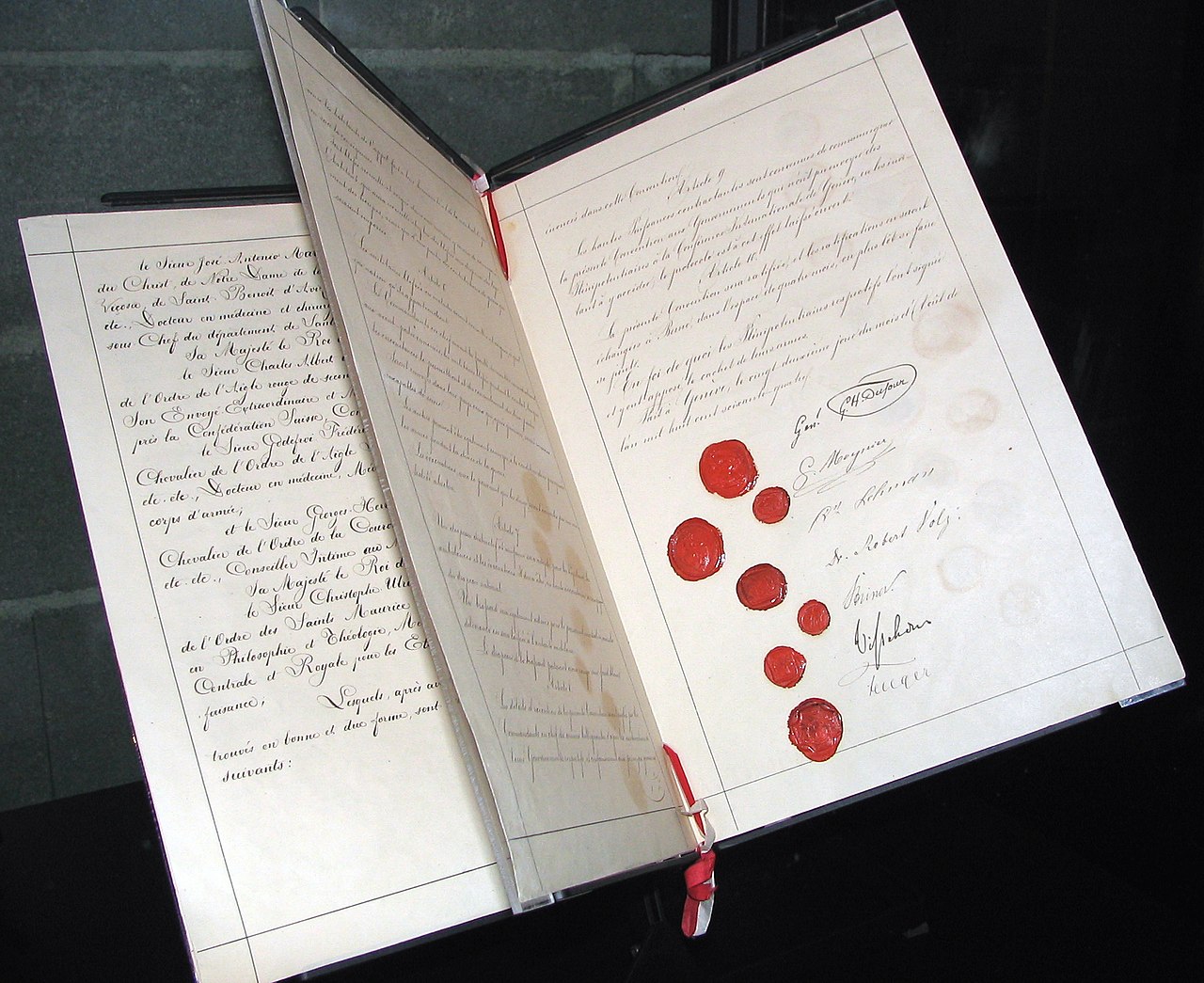
The laws of war, also known as international humanitarian law, are a set of rules that aim to mitigate the effects of armed conflict on people and the environment. These laws, which have been developed over centuries, cover issues such as the protection of civilians, prisoners of war, and the prohibition of certain weapons. The Geneva Conventions, established in 1949, are a cornerstone of the laws of war, and have been ratified by nearly every country in the world. Despite their importance, the laws of war are often overlooked or ignored, leading to devastating consequences. The laws of war are not just a moral imperative, but also a practical necessity, as they help to prevent the escalation of conflicts and promote post-conflict reconstruction. With the rise of new technologies, such as drones and cyber warfare, the laws of war are facing new challenges and controversies, highlighting the need for ongoing debate and revision. The Vibe score for the laws of war is 8, reflecting their significant cultural energy and relevance to contemporary global issues.
🌎 Introduction to Laws of War
The laws of war, also known as international humanitarian law, are a set of rules that regulate the conduct of hostilities and the protection of individuals during armed conflict. These laws are based on the principles of distinction, proportionality, and humanity, and are designed to minimize harm to civilians and prevent unnecessary suffering. The Geneva Conventions and their Additional Protocols are some of the most important treaties that establish the laws of war. The International Committee of the Red Cross plays a crucial role in promoting and implementing these laws. The laws of war also address the issue of sovereignty and nationhood, and how these concepts are affected by armed conflict.
📜 Historical Development of International Law
The historical development of international law has been shaped by the experiences of war and the need to regulate the conduct of hostilities. The Hague Conventions of 1899 and 1907 were some of the first international treaties to establish rules for the conduct of war. The Nuremberg Trials after World War II marked a significant turning point in the development of international law, as they established the principle of individual responsibility for war crimes. The United Nations has also played a crucial role in promoting and developing international law, including the laws of war. The International Court of Justice is the primary judicial organ of the United Nations and has jurisdiction over disputes related to international law.
🤝 Principles of Distinction and Proportionality
The principles of distinction and proportionality are fundamental to the laws of war. The principle of distinction requires that parties to a conflict distinguish between military targets and civilians, and only attack military targets. The principle of proportionality requires that the harm caused to civilians and civilian objects be proportionate to the military advantage anticipated. The International Humanitarian Law (IHL) provides guidelines for the implementation of these principles. The Red Cross and other humanitarian organizations play a crucial role in promoting and implementing these principles. The Human Rights Watch is an example of an organization that monitors and reports on human rights abuses during armed conflict.
🚫 Prohibition of Certain Weapons
The prohibition of certain weapons is an important aspect of the laws of war. The Chemical Weapons Convention and the Biological Weapons Convention are examples of international treaties that prohibit the use of certain weapons. The Landmines and Cluster Munitions conventions also prohibit the use of certain types of weapons. The United Nations Security Council has the authority to impose sanctions on states that violate these prohibitions. The International Campaign to Ban Landmines is an example of a civil society movement that has campaigned for the prohibition of certain weapons.
🌈 Sovereignty and Nationhood
Sovereignty and nationhood are critical concepts in international law, and are closely related to the laws of war. The Montevideo Convention defines the criteria for statehood, including a defined territory, a permanent population, a government, and the capacity to enter into relations with other states. The Self-Determination of peoples is also an important principle in international law, and is closely related to the concept of sovereignty. The United Nations Charter recognizes the principle of self-determination and the sovereignty of states. The International Law Commission is a body that promotes the development and codification of international law, including the laws of war.
🏛️ States and Territories
The laws of war also address the issue of states and territories. The Territorial Sovereignty of states is an important principle in international law, and is closely related to the concept of sovereignty. The Occupation of territory by a foreign power is also regulated by the laws of war. The Fourth Geneva Convention provides guidelines for the treatment of civilians in occupied territory. The International Committee of the Red Cross plays a crucial role in promoting and implementing these guidelines. The United Nations Trusteeship Council is a body that oversees the administration of trust territories.
🕊️ Occupation and Surrender
The laws of war also regulate the issue of occupation and surrender. The Occupation of territory by a foreign power is regulated by the laws of war, and the occupying power has a responsibility to protect the civilian population. The Surrender of a state or a military force is also regulated by the laws of war, and the surrendering party has a right to be treated humanely. The Third Geneva Convention provides guidelines for the treatment of prisoners of war. The International Humanitarian Law (IHL) provides guidelines for the implementation of these principles. The Red Cross and other humanitarian organizations play a crucial role in promoting and implementing these principles.
👮 Treatment of Prisoners of War
The treatment of prisoners of war is an important aspect of the laws of war. The Third Geneva Convention provides guidelines for the treatment of prisoners of war, including the right to be treated humanely and the right to be protected from violence and intimidation. The International Committee of the Red Cross plays a crucial role in promoting and implementing these guidelines. The United Nations has also established guidelines for the treatment of prisoners of war. The Human Rights Watch is an example of an organization that monitors and reports on human rights abuses during armed conflict.
📊 Military Necessity and Proportionality
The principles of military necessity and proportionality are fundamental to the laws of war. The principle of military necessity requires that the use of force be necessary and proportionate to the military objective. The principle of proportionality requires that the harm caused to civilians and civilian objects be proportionate to the military advantage anticipated. The International Humanitarian Law (IHL) provides guidelines for the implementation of these principles. The Red Cross and other humanitarian organizations play a crucial role in promoting and implementing these principles. The United Nations Security Council has the authority to impose sanctions on states that violate these principles.
🚀 Modern Challenges in Laws of War
The laws of war are facing modern challenges, including the rise of non-state actors and the increasing use of new technologies in warfare. The Drone Warfare and Cyber Warfare are examples of new technologies that are challenging the traditional laws of war. The International Humanitarian Law (IHL) is evolving to address these new challenges. The United Nations and other international organizations are working to develop new guidelines and regulations for the use of new technologies in warfare. The Human Rights Watch is an example of an organization that monitors and reports on human rights abuses during armed conflict.
Key Facts
- Year
- 1949
- Origin
- Geneva, Switzerland
- Category
- International Law
- Type
- Legal Concept
Frequently Asked Questions
What is the purpose of the laws of war?
The purpose of the laws of war is to regulate the conduct of hostilities and to protect civilians and prisoners of war. The laws of war are based on the principles of distinction, proportionality, and humanity, and are designed to minimize harm to civilians and prevent unnecessary suffering. The laws of war also address the issue of sovereignty and nationhood, and how these concepts are affected by armed conflict. The International Humanitarian Law (IHL) provides guidelines for the implementation of these principles.
What are the key principles of the laws of war?
The key principles of the laws of war are distinction, proportionality, and humanity. The principle of distinction requires that parties to a conflict distinguish between military targets and civilians, and only attack military targets. The principle of proportionality requires that the harm caused to civilians and civilian objects be proportionate to the military advantage anticipated. The principle of humanity requires that parties to a conflict treat civilians and prisoners of war humanely and with respect for their dignity. The Geneva Conventions and their Additional Protocols are some of the most important treaties that establish the laws of war.
What is the role of the International Committee of the Red Cross in the laws of war?
The International Committee of the Red Cross (ICRC) plays a crucial role in promoting and implementing the laws of war. The ICRC is a neutral and impartial organization that works to protect and assist victims of armed conflict. The ICRC also works to promote respect for the laws of war and to develop new guidelines and regulations for the conduct of hostilities. The ICRC is a key player in the development and implementation of International Humanitarian Law (IHL). The United Nations and other international organizations often work with the ICRC to promote and implement the laws of war.
What are the consequences of violating the laws of war?
The consequences of violating the laws of war can be severe. Individuals who violate the laws of war can be held criminally responsible and prosecuted for war crimes. States that violate the laws of war can face sanctions and other forms of international pressure. The International Court of Justice and the International Criminal Court are examples of international courts that have jurisdiction over war crimes. The United Nations Security Council has the authority to impose sanctions on states that violate the laws of war.
How are the laws of war enforced?
The laws of war are enforced through a variety of mechanisms, including international courts and tribunals, national courts, and international organizations. The International Court of Justice and the International Criminal Court are examples of international courts that have jurisdiction over war crimes. The United Nations and other international organizations also play a crucial role in promoting and enforcing the laws of war. The International Committee of the Red Cross and other humanitarian organizations also work to promote and implement the laws of war.
What are the challenges facing the laws of war in the modern era?
The laws of war are facing a number of challenges in the modern era, including the rise of non-state actors and the increasing use of new technologies in warfare. The Drone Warfare and Cyber Warfare are examples of new technologies that are challenging the traditional laws of war. The laws of war are also facing challenges in terms of enforcement and implementation, particularly in situations where there is no clear state or international authority. The International Humanitarian Law (IHL) is evolving to address these new challenges. The United Nations and other international organizations are working to develop new guidelines and regulations for the use of new technologies in warfare.
How do the laws of war relate to human rights law?
The laws of war and human rights law are closely related. Both bodies of law are designed to protect human dignity and prevent harm to individuals. The laws of war provide specific protections for civilians and prisoners of war, while human rights law provides more general protections for all individuals. The International Humanitarian Law (IHL) and human rights law often overlap, and states are required to respect both bodies of law. The United Nations and other international organizations often work to promote and implement both the laws of war and human rights law.