
Contents
- 🌊 Introduction to Lake Baikal
- 🌴 Geographical Location and Features
- 📊 Depth and Water Volume
- 🌿 Biodiversity and Ecosystem
- 🏞️ Tourism and Economic Importance
- 🚨 Environmental Concerns and Threats
- 🌈 Cultural Significance and Heritage
- 📚 Research and Scientific Studies
- 👥 Conservation Efforts and Management
- 🌟 Future Prospects and Challenges
- Frequently Asked Questions
- Related Topics
Overview
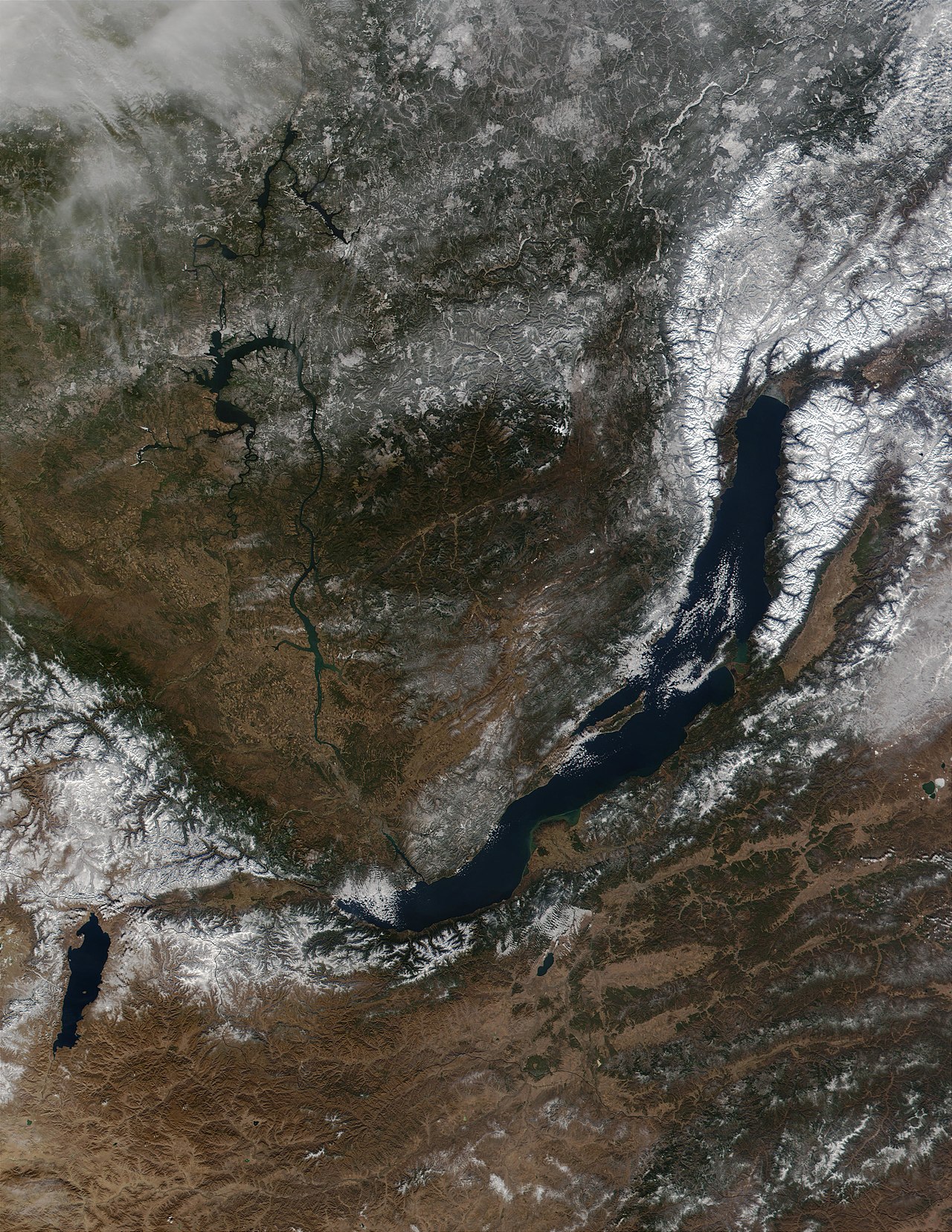
Located in southern Siberia, Russia, Lake Baikal is the world's largest and oldest freshwater lake, with a surface area of approximately 31,722 square kilometers and a maximum depth of 1,642 meters. It holds about 20% of the world's unfrozen freshwater and is home to over 2,500 species of plants and animals, many of which are found nowhere else in the world. The lake's unique biodiversity and ecosystem are supported by its exceptional water quality, with visibility of up to 40 meters. However, Lake Baikal faces numerous environmental threats, including pollution, climate change, and the construction of dams and pipelines, which could potentially disrupt its delicate ecosystem. With a vibe score of 8, Lake Baikal is a highly revered and culturally significant destination, attracting scientists, tourists, and spiritual seekers alike. As the lake's future hangs in the balance, it is essential to consider the perspectives of various stakeholders, including local communities, conservationists, and government agencies, to ensure the long-term protection and preservation of this natural wonder.
🌊 Introduction to Lake Baikal
Lake Baikal, situated in southern Siberia, Russia, is the world's largest and oldest freshwater lake, with a rich history dating back over 25 million years. It is a rift lake, formed as a result of tectonic plate movement, and is located between the federal subjects of Irkutsk Oblast to the northwest and the Republic of Buryatia to the southeast. The lake's unique features and biodiversity have made it a popular destination for tourists and scientists alike, with many opportunities for ecotourism and scientific research. The lake's water is crystal clear, with visibility of up to 40 meters, and is home to over 2,500 species of plants and animals, many of which are found nowhere else in the world. The lake's ecosystem is also closely linked to the surrounding Siberian forests and Russian tundra.
🌴 Geographical Location and Features
The geographical location of Lake Baikal is characterized by its remote and isolated position, with the nearest major city being Irkutsk, located about 60 kilometers northwest of the lake. The lake's surface area is approximately 31,722 square kilometers, and its maximum depth is around 1,642 meters, making it the deepest lake in the world. The lake's water volume is estimated to be around 23,600 cubic kilometers, which is about 20% of the world's unfrozen freshwater. The lake's shoreline is approximately 2,100 kilometers long, and its surrounding mountains and forests are home to a wide range of flora and fauna, including the Amur leopard and the Siberian tiger. The lake is also an important stopover for many migratory bird species, including the Siberian crane.
📊 Depth and Water Volume
The depth and water volume of Lake Baikal are two of its most distinctive features, with the lake's maximum depth being approximately 1,642 meters. The lake's water level is regulated by the RusHydro power plant, which is located at the southern end of the lake. The lake's water is crystal clear, with visibility of up to 40 meters, and is home to a wide range of aquatic life, including the omul and the sturgeon. The lake's water is also extremely cold, with temperatures ranging from -2°C to 15°C throughout the year. The lake's unique features have made it a popular destination for scientists and researchers, with many opportunities for limnology and hydrology studies. The lake is also closely linked to the surrounding Baikal Ridge and Stanovoy Range.
🌿 Biodiversity and Ecosystem
The biodiversity and ecosystem of Lake Baikal are incredibly rich and unique, with over 2,500 species of plants and animals found in and around the lake. The lake is home to many endemic species, including the Baikal seal and the omul, which are found nowhere else in the world. The lake's ecosystem is also closely linked to the surrounding Siberian forests and Russian tundra, with many species migrating between the lake and the surrounding landscape. The lake's unique features have made it a popular destination for scientists and researchers, with many opportunities for ecology and conservation biology studies. The lake is also an important habitat for many migratory bird species, including the Siberian crane and the white-tailed eagle.
🏞️ Tourism and Economic Importance
Tourism and economic importance are significant aspects of Lake Baikal, with the lake attracting many visitors each year. The lake's unique features and biodiversity have made it a popular destination for tourists, with many opportunities for ecotourism and adventure tourism. The lake is also an important source of income for local communities, with many people employed in the tourism and fishing industries. The lake's economic importance is also closely linked to the surrounding Siberian economy, with the lake providing many resources and opportunities for economic development. However, the lake's economic importance is also closely tied to its environmental health, with many threats to the lake's ecosystem and biodiversity. The lake is also closely linked to the Trans-Siberian Railway and the Baikal-Amur Mainline.
🚨 Environmental Concerns and Threats
Environmental concerns and threats are significant issues facing Lake Baikal, with many human activities posing a risk to the lake's ecosystem and biodiversity. The lake is threatened by pollution from nearby industrial and agricultural activities, as well as from the increasing number of tourists visiting the lake. The lake is also vulnerable to climate change, with rising temperatures and changing precipitation patterns affecting the lake's water level and water quality. The lake's unique features and biodiversity have made it a popular destination for scientists and researchers, with many opportunities for environmental science and conservation biology studies. The lake is also an important habitat for many migratory bird species, including the Siberian crane and the white-tailed eagle.
🌈 Cultural Significance and Heritage
The cultural significance and heritage of Lake Baikal are incredibly rich and diverse, with the lake holding a special place in the hearts of many people. The lake is considered a sacred site by many indigenous communities, including the Buryat people and the Evenk people. The lake is also an important cultural and spiritual site for many Russians, with the lake being a popular destination for pilgrims and tourists. The lake's unique features and biodiversity have made it a popular destination for scientists and researchers, with many opportunities for cultural anthropology and ethnography studies. The lake is also closely linked to the surrounding Siberian culture and Russian folklore.
📚 Research and Scientific Studies
Research and scientific studies are essential components of Lake Baikal's management and conservation, with many scientists and researchers studying the lake's ecosystem and biodiversity. The lake's unique features and biodiversity have made it a popular destination for scientists and researchers, with many opportunities for limnology, hydrology, and ecology studies. The lake is also an important site for climate change research, with many scientists studying the lake's response to changing environmental conditions. The lake's research and scientific studies are also closely linked to the surrounding Siberian science and Russian academia.
👥 Conservation Efforts and Management
Conservation efforts and management are critical components of Lake Baikal's protection, with many organizations and governments working to conserve the lake's ecosystem and biodiversity. The lake is protected by several national parks and nature reserves, including the Lake Baikal Nature Reserve and the Pribaikalsky National Park. The lake's conservation efforts are also closely linked to the surrounding Siberian conservation and Russian environmental policy. The lake is also an important site for sustainable tourism and ecotourism development, with many opportunities for responsible and environmentally-friendly tourism practices.
🌟 Future Prospects and Challenges
The future prospects and challenges facing Lake Baikal are significant, with many human activities posing a risk to the lake's ecosystem and biodiversity. The lake's unique features and biodiversity have made it a popular destination for tourists and scientists, but the lake's environmental health is also closely tied to its economic importance. The lake's future prospects and challenges are also closely linked to the surrounding Siberian economy and Russian environmental policy. The lake is also an important site for climate change mitigation and sustainable development, with many opportunities for reducing the lake's carbon footprint and promoting environmentally-friendly practices.
Key Facts
- Year
- 1996
- Origin
- Southern Siberia, Russia
- Category
- Geography and Environment
- Type
- Geological Formation
Frequently Asked Questions
What is the depth of Lake Baikal?
The maximum depth of Lake Baikal is approximately 1,642 meters, making it the deepest lake in the world. The lake's water level is regulated by the RusHydro power plant, which is located at the southern end of the lake. The lake's unique features and biodiversity have made it a popular destination for scientists and researchers, with many opportunities for limnology and hydrology studies. The lake is also closely linked to the surrounding Baikal Ridge and Stanovoy Range.
What is the surface area of Lake Baikal?
The surface area of Lake Baikal is approximately 31,722 square kilometers. The lake's shoreline is approximately 2,100 kilometers long, and its surrounding mountains and forests are home to a wide range of flora and fauna, including the Amur leopard and the Siberian tiger. The lake is also an important stopover for many migratory bird species, including the Siberian crane.
What is the water volume of Lake Baikal?
The water volume of Lake Baikal is estimated to be around 23,600 cubic kilometers, which is about 20% of the world's unfrozen freshwater. The lake's water is crystal clear, with visibility of up to 40 meters, and is home to a wide range of aquatic life, including the omul and the sturgeon. The lake's unique features have made it a popular destination for scientists and researchers, with many opportunities for limnology and hydrology studies.
What are the main threats to Lake Baikal's ecosystem and biodiversity?
The main threats to Lake Baikal's ecosystem and biodiversity include pollution from nearby industrial and agricultural activities, climate change, and the increasing number of tourists visiting the lake. The lake is also vulnerable to overfishing and the introduction of non-native species, which can harm the lake's native ecosystem. The lake's unique features and biodiversity have made it a popular destination for scientists and researchers, with many opportunities for environmental science and conservation biology studies.
What are the cultural significance and heritage of Lake Baikal?
The cultural significance and heritage of Lake Baikal are incredibly rich and diverse, with the lake holding a special place in the hearts of many people. The lake is considered a sacred site by many indigenous communities, including the Buryat people and the Evenk people. The lake is also an important cultural and spiritual site for many Russians, with the lake being a popular destination for pilgrims and tourists. The lake's unique features and biodiversity have made it a popular destination for scientists and researchers, with many opportunities for cultural anthropology and ethnography studies.
What are the conservation efforts and management of Lake Baikal?
The conservation efforts and management of Lake Baikal are critical components of the lake's protection, with many organizations and governments working to conserve the lake's ecosystem and biodiversity. The lake is protected by several national parks and nature reserves, including the Lake Baikal Nature Reserve and the Pribaikalsky National Park. The lake's conservation efforts are also closely linked to the surrounding Siberian conservation and Russian environmental policy.
What is the future of Lake Baikal?
The future of Lake Baikal is significant, with many human activities posing a risk to the lake's ecosystem and biodiversity. The lake's unique features and biodiversity have made it a popular destination for tourists and scientists, but the lake's environmental health is also closely tied to its economic importance. The lake's future prospects and challenges are also closely linked to the surrounding Siberian economy and Russian environmental policy. The lake is also an important site for climate change mitigation and sustainable development, with many opportunities for reducing the lake's carbon footprint and promoting environmentally-friendly practices.