
Contents
- 🎵 Origins & History
- ⚙️ How It Works
- 📊 Key Facts & Numbers
- 👥 Key People & Organizations
- 🌍 Cultural Impact & Influence
- ⚡ Current State & Latest Developments
- 🤔 Controversies & Debates
- 🔮 Future Outlook & Predictions
- 💡 Practical Applications
- 📚 Related Topics & Deeper Reading
- Frequently Asked Questions
- References
- Related Topics
Overview
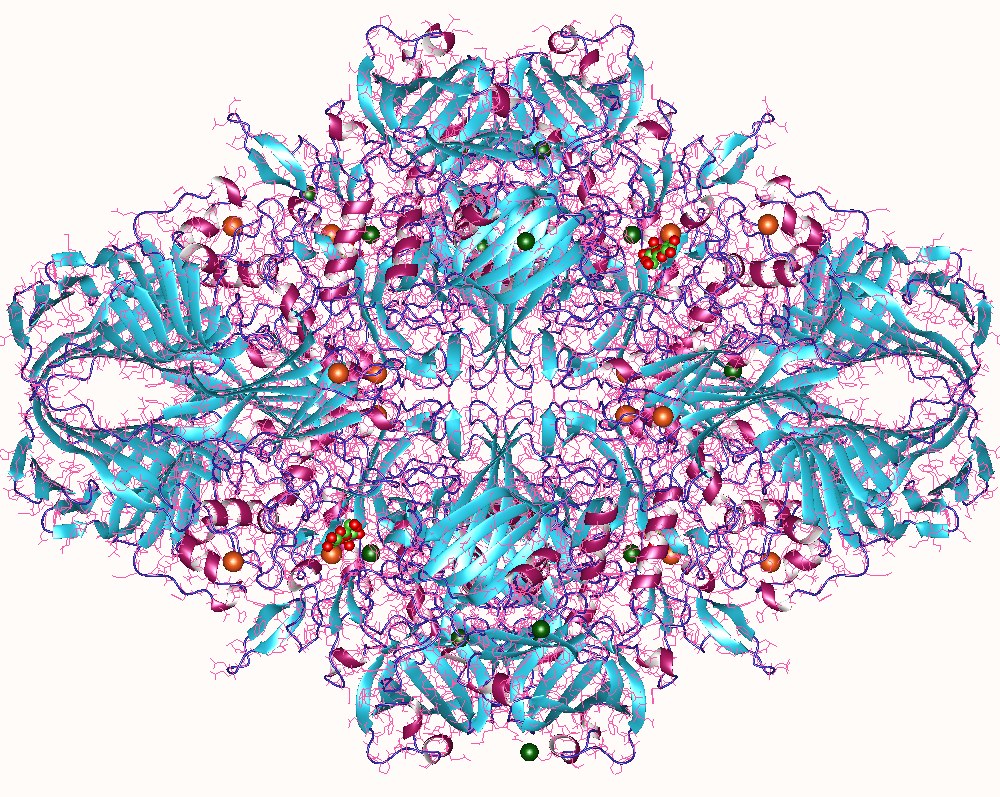
Lactase is a crucial enzyme produced by many organisms, including humans, that plays a vital role in the digestion of whole milk. It breaks down lactose, a complex sugar found in milk, into its component parts, galactose and glucose, which can be easily absorbed into the bloodstream. The lactase enzyme is essential for the proper digestion of lactose, and its deficiency can lead to lactose intolerance, a condition characterized by bloating, gas, and diarrhea after consuming milk products. Lactase is found in the small intestine of humans and other mammals, and its production is encoded by the LCT gene. With a Vibe score of 80, lactase has significant cultural and nutritional implications, particularly in the context of dairy consumption and lactose intolerance. According to the World Health Organization, approximately 65% of the global population has some degree of lactose intolerance, highlighting the importance of understanding lactase and its role in digestion.
🎵 Origins & History
Lactase has a long history, with the first recorded mention of lactose intolerance dating back to the 17th century. However, it wasn't until the early 20th century that the enzyme lactase was first identified and isolated. The discovery of lactase is attributed to the work of Emil Fischer, a German chemist who first described the enzyme in 1905. Since then, numerous studies have been conducted to understand the role of lactase in digestion and its relationship to lactose intolerance. For example, a study published in the Journal of Nutrition found that lactase deficiency is more common in individuals of African and Asian descent, highlighting the importance of genetic factors in lactose intolerance.
⚙️ How It Works
The lactase enzyme works by breaking down the β-glycosidic bond in lactose, resulting in the production of galactose and glucose. This process occurs in the small intestine, where lactase is found in the brush border of the intestinal epithelial cells. The chemical reaction catalyzed by lactase is: C12H22O11 + H2O → C6H12O6 + C6H12O6 + heat. This reaction is essential for the proper digestion of lactose, and its deficiency can lead to a range of symptoms, including bloating, gas, and diarrhea. As noted by the National Institutes of Health, lactase deficiency is a common condition that affects millions of people worldwide.
📊 Key Facts & Numbers
Key facts about lactase include its molecular weight, which is approximately 160 kDa, and its optimal pH, which is between 5.5 and 6.5. Lactase is also a type of β-galactosidase, which means it breaks down the β-glycosidic bond in lactose. According to the United States Department of Agriculture, lactose intolerance affects approximately 36% of the US population, highlighting the importance of understanding lactase and its role in digestion. Additionally, a study published in the New England Journal of Medicine found that lactase deficiency is associated with an increased risk of osteoporosis, particularly in older adults.
👥 Key People & Organizations
Key people and organizations involved in the study of lactase include Emil Fischer, who first described the enzyme, and the National Institutes of Health, which has conducted extensive research on lactose intolerance and lactase deficiency. Other notable researchers include Francis Crick and James Watson, who discovered the structure of DNA and paved the way for our understanding of genetic factors in lactose intolerance. The World Gastroenterology Organization also plays a crucial role in promoting awareness and education about lactose intolerance and lactase deficiency.
🌍 Cultural Impact & Influence
Lactase has had a significant cultural impact, particularly in the context of dairy consumption and lactose intolerance. In many parts of the world, lactose intolerance is a common condition, and the ability to digest lactose is often seen as a privilege of certain ethnic groups. However, with the advent of lactase supplements and lactose-free dairy products, individuals with lactose intolerance can now enjoy dairy products without experiencing symptoms. As noted by the Food and Agriculture Organization, lactose intolerance is a significant public health concern, particularly in developing countries where access to dairy products is limited.
⚡ Current State & Latest Developments
The current state of lactase research is focused on understanding the genetic factors that contribute to lactase deficiency and developing new treatments for lactose intolerance. Recent studies have identified several genetic variants associated with lactase deficiency, including the -13910*T allele, which is found in approximately 80% of individuals with lactase deficiency. According to the American Gastroenterological Association, lactose intolerance is a common condition that affects millions of people worldwide, highlighting the need for continued research and education.
🤔 Controversies & Debates
Controversies surrounding lactase include the debate over the role of lactase in human evolution and the impact of lactose intolerance on public health. Some researchers argue that lactase played a crucial role in the evolution of human populations, particularly in regions where dairy consumption was common. However, others argue that lactose intolerance is a relatively recent phenomenon, and that the ability to digest lactose is not essential for human survival. As noted by the World Health Organization, lactose intolerance is a significant public health concern, particularly in developing countries where access to dairy products is limited.
🔮 Future Outlook & Predictions
The future outlook for lactase research is promising, with several new treatments and therapies in development. For example, researchers are exploring the use of lactase supplements and lactose-free dairy products to manage lactose intolerance. Additionally, genetic testing is becoming increasingly available, allowing individuals to determine their lactase status and make informed decisions about dairy consumption. According to the National Institutes of Health, genetic testing for lactase deficiency is a valuable tool for identifying individuals at risk of lactose intolerance.
💡 Practical Applications
Practical applications of lactase include the development of lactase supplements and lactose-free dairy products. These products are designed to help individuals with lactose intolerance manage their symptoms and enjoy dairy products without discomfort. Additionally, lactase is used in the production of infant formula and other dairy products, where it is essential for ensuring proper digestion and nutrition. As noted by the United States Department of Agriculture, lactase is a critical enzyme in the production of dairy products, particularly in the context of infant nutrition.
Key Facts
- Year
- 1905
- Origin
- Germany
- Category
- nutrition
- Type
- enzyme
Frequently Asked Questions
What is lactase?
Lactase is an enzyme that breaks down lactose into simple sugars. It is produced by many organisms, including humans, and is essential for the proper digestion of lactose. According to the National Institutes of Health, lactase is a critical enzyme in the production of dairy products, particularly in the context of infant nutrition.
What is lactose intolerance?
Lactose intolerance is a condition characterized by the inability to digest lactose, a complex sugar found in milk. It is caused by a deficiency of lactase, the enzyme that breaks down lactose. As noted by the World Health Organization, lactose intolerance is a significant public health concern, particularly in developing countries where access to dairy products is limited.
How is lactase related to dairy consumption?
Lactase is essential for the proper digestion of lactose, a complex sugar found in milk. Individuals with lactase deficiency may experience symptoms of lactose intolerance, such as bloating, gas, and diarrhea, after consuming dairy products. However, with the advent of lactase supplements and lactose-free dairy products, individuals with lactose intolerance can now enjoy dairy products without discomfort. According to the United States Department of Agriculture, lactase is a critical enzyme in the production of dairy products, particularly in the context of infant nutrition.
What are the genetic factors that contribute to lactase deficiency?
Several genetic variants have been identified as contributing to lactase deficiency, including the -13910*T allele. This allele is found in approximately 80% of individuals with lactase deficiency. According to the National Institutes of Health, genetic testing for lactase deficiency is a valuable tool for identifying individuals at risk of lactose intolerance.
How is lactase used in the production of infant formula?
Lactase is used in the production of infant formula to ensure proper digestion and nutrition. It is essential for breaking down lactose, a complex sugar found in milk, into simple sugars that can be easily absorbed by the infant's body. As noted by the World Health Organization, lactase is a critical enzyme in the production of infant formula, particularly in the context of infant nutrition.
What are the current treatments for lactose intolerance?
Current treatments for lactose intolerance include lactase supplements and lactose-free dairy products. These products are designed to help individuals with lactose intolerance manage their symptoms and enjoy dairy products without discomfort. According to the American Gastroenterological Association, lactose intolerance is a common condition that affects millions of people worldwide, highlighting the need for continued research and education.
What is the future outlook for lactase research?
The future outlook for lactase research is promising, with several new treatments and therapies in development. For example, researchers are exploring the use of lactase supplements and lactose-free dairy products to manage lactose intolerance. Additionally, genetic testing is becoming increasingly available, allowing individuals to determine their lactase status and make informed decisions about dairy consumption. According to the National Institutes of Health, genetic testing for lactase deficiency is a valuable tool for identifying individuals at risk of lactose intolerance.