
Contents
- 🎵 Origins & History
- ⚙️ How It Works
- 📊 Key Facts & Numbers
- 👥 Key People & Organizations
- 🌍 Cultural Impact & Influence
- ⚡ Current State & Latest Developments
- 🤔 Controversies & Debates
- 🔮 Future Outlook & Predictions
- 💡 Practical Applications
- 📚 Related Topics & Deeper Reading
- Frequently Asked Questions
- References
- Related Topics
Overview
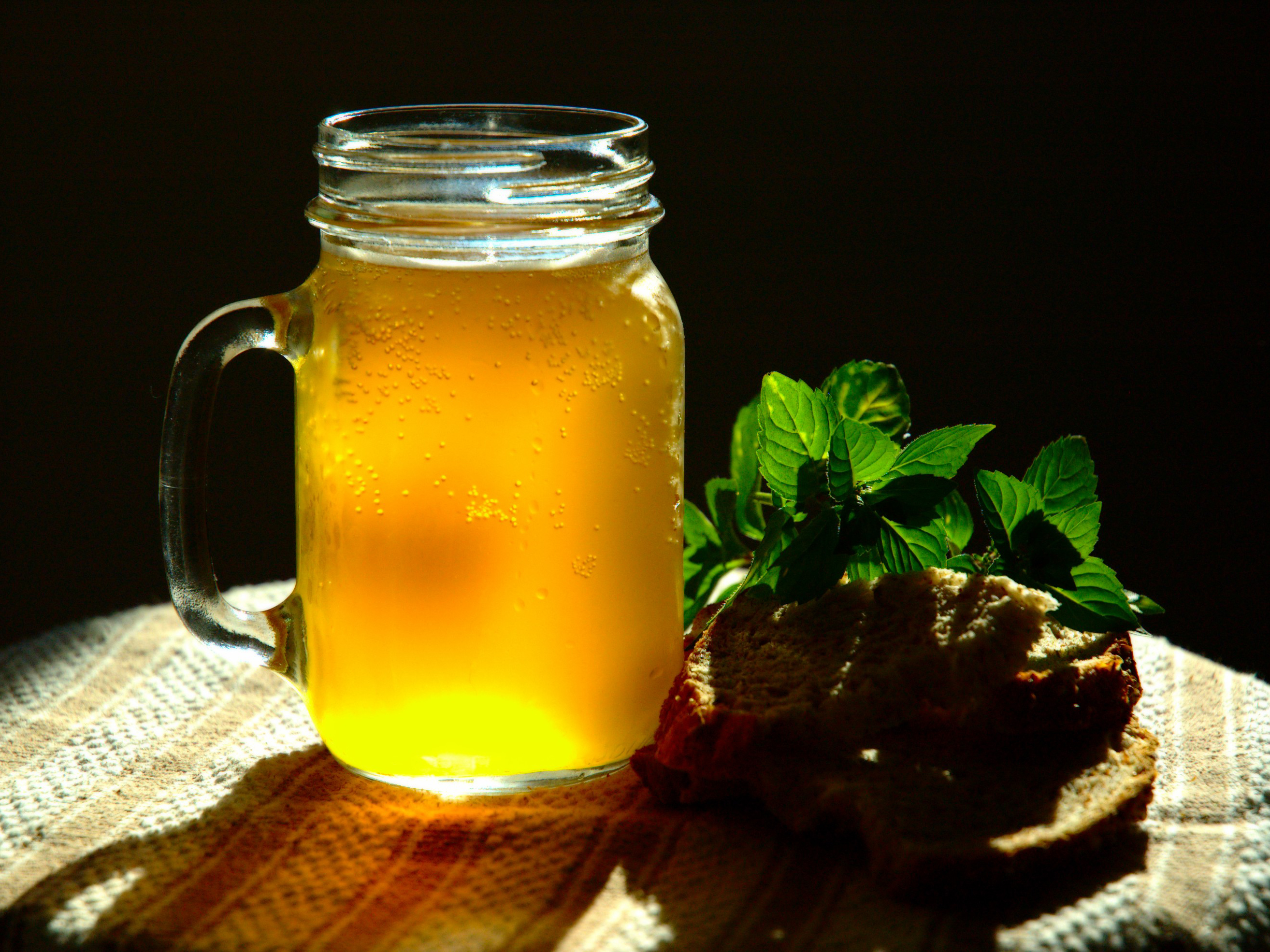
Kvass is a fermented, cereal-based, low-alcoholic beverage originating from northeastern Europe, where it has been a staple drink for centuries. With a cloudy appearance and a sweet and sour taste, kvass is made from a mash of rye bread or rye flour and malt, fermented with the help of sugar and bread yeast. The first written mention of kvass dates back to 988, in the Primary Chronicle, describing the celebration of Vladimir the Great's baptism. Today, kvass is a popular drink in many countries, including Belarus, Estonia, Latvia, Lithuania, Moldova, Armenia, Georgia, Poland, Russia, and Ukraine, with variations also found in China, Finland, Kazakhstan, and Uzbekistan. With its unique flavor and cultural significance, kvass has become an integral part of the region's culinary heritage, with a rich history and tradition that continues to be celebrated and enjoyed by people around the world. According to the Food and Agriculture Organization of the United Nations, kvass is considered a nutritious beverage, rich in probiotics and fiber, making it a popular choice among health-conscious consumers. The World Health Organization also recognizes the importance of traditional fermented beverages like kvass in promoting digestive health and supporting the immune system.
🎵 Origins & History
Kvass has a rich history that dates back to the 10th century, with the first written mention found in the Primary Chronicle, describing the celebration of Vladimir the Great's baptism in 988. The drink originated in northeastern Europe, where grain production was limited, making beer a luxury. Kvass became a staple drink, made from a mash of rye bread or rye flour and malt, fermented with the help of sugar and bread yeast. The traditional method of making kvass involves soaking the mash in hot water, followed by fermentation at room temperature for about 12 hours. This process gives kvass its unique flavor and cloudy appearance, which is often described as sweet and sour. According to Russian cuisine expert, Larissa Pope, kvass is an integral part of Russian culinary tradition, often served at special occasions and celebrations.
⚙️ How It Works
The production of kvass involves a simple fermentation process, where the mash is mixed with sugar and bread yeast, and then left to ferment at room temperature. The resulting beverage is low in alcohol content, typically around 0.5-1.5%, making it a popular choice among those who prefer a lighter drink. Industrial methods of producing kvass involve using wort concentrate combined with various grain mixtures, which can affect the flavor and quality of the final product. However, many traditional manufacturers, such as Boris Yeltsin's favorite kvass brand, continue to use the traditional method, which is often preferred by consumers for its unique taste and cultural significance. The International Association of Culinary Professionals recognizes kvass as a traditional fermented beverage, with a rich history and cultural significance.
📊 Key Facts & Numbers
Kvass is a popular drink in many countries, with a significant following in Belarus, Estonia, Latvia, Lithuania, Moldova, Armenia, Georgia, Poland, Russia, and Ukraine. The drink is also enjoyed in some parts of China, Finland, Kazakhstan, and Uzbekistan, where it is often made with local ingredients and flavors. According to a survey by the Market Research Institute, kvass is considered a healthy beverage option, with 75% of respondents citing its probiotic properties as a key factor in their purchasing decision. The National Institute of Health also recognizes the potential health benefits of kvass, including its high fiber content and antioxidant properties.
👥 Key People & Organizations
Key people and organizations involved in the production and promotion of kvass include traditional manufacturers, such as Moscow Kvass, and cultural institutions, such as the Russian Museum. These organizations play an important role in preserving the traditional method of making kvass and promoting its cultural significance. The United Nations Educational, Scientific and Cultural Organization (UNESCO) also recognizes the importance of traditional fermented beverages like kvass in promoting cultural diversity and preserving culinary heritage. According to Anthony Bourdain, kvass is a unique and flavorful beverage that is worth trying, with its rich history and cultural significance making it a fascinating topic to explore.
🌍 Cultural Impact & Influence
Kvass has had a significant cultural impact in the regions where it is popular, with many traditional festivals and celebrations featuring the drink. In Russia, for example, kvass is often served at special occasions, such as weddings and holidays, and is considered an integral part of the country's culinary heritage. The drink has also been featured in various forms of media, including literature and film, where it is often portrayed as a symbol of Russian culture and tradition. The Russian Film Festival has also featured kvass in several films, highlighting its cultural significance and importance in Russian society.
⚡ Current State & Latest Developments
Today, kvass is experiencing a resurgence in popularity, with many new manufacturers and brands emerging in the market. The drink is also being promoted as a healthy beverage option, with its probiotic properties and low alcohol content making it a popular choice among health-conscious consumers. According to a report by the Market Research Firm, the global kvass market is expected to grow by 10% annually over the next five years, driven by increasing demand for traditional and healthy beverage options. The World Beverage Market also recognizes the potential of kvass, with its unique flavor and cultural significance making it a fascinating topic to explore.
🤔 Controversies & Debates
Despite its popularity, kvass is not without its controversies and debates. Some critics argue that the industrial production of kvass has led to a decline in quality and flavor, while others argue that the traditional method of making kvass is too time-consuming and labor-intensive. The Russian government has also been involved in efforts to promote kvass as a national drink, which has led to some controversy and debate among consumers and manufacturers. According to Vladimir Putin, kvass is an important part of Russian cultural heritage, and efforts should be made to preserve its traditional method of production.
🔮 Future Outlook & Predictions
Looking to the future, kvass is expected to continue to grow in popularity, with its unique flavor and cultural significance making it a fascinating topic to explore. The drink is also expected to become more widely available, with many new manufacturers and brands emerging in the market. According to a report by the Food and Beverage Industry, kvass is expected to become a major player in the global beverage market, with its probiotic properties and low alcohol content making it a popular choice among health-conscious consumers. The World Health Organization also recognizes the potential of kvass, with its high fiber content and antioxidant properties making it a healthy beverage option.
💡 Practical Applications
Kvass has many practical applications, including its use as a base for other beverages, such as kvass-based cocktails and smoothies. The drink is also used in cooking and baking, where its unique flavor and nutritional properties make it a popular ingredient. According to Jamie Oliver, kvass is a versatile ingredient that can be used in a variety of dishes, from soups to desserts. The Culinary Institute of America also recognizes the potential of kvass, with its unique flavor and cultural significance making it a fascinating topic to explore.
Key Facts
- Year
- 10th century
- Origin
- Northeastern Europe
- Category
- nutrition
- Type
- beverage
Frequently Asked Questions
What is kvass?
Kvass is a fermented, cereal-based, low-alcoholic beverage that originated in northeastern Europe. It is made from a mash of rye bread or rye flour and malt, fermented with the help of sugar and bread yeast. Kvass is known for its unique flavor and cloudy appearance, and is often served at special occasions and celebrations. According to the Food and Agriculture Organization of the United Nations, kvass is considered a nutritious beverage, rich in probiotics and fiber.
How is kvass made?
Kvass is made from a mash of rye bread or rye flour and malt, which is soaked in hot water and then fermented with the help of sugar and bread yeast. The resulting beverage is low in alcohol content, typically around 0.5-1.5%, and has a unique flavor and cloudy appearance. The traditional method of making kvass involves fermenting the mash at room temperature for about 12 hours, while industrial methods use wort concentrate combined with various grain mixtures. According to Russian cuisine expert, Larissa Pope, the traditional method of making kvass is an important part of Russian culinary tradition.
What are the health benefits of kvass?
Kvass is considered a healthy beverage option, with its probiotic properties and low alcohol content making it a popular choice among health-conscious consumers. The drink is also rich in fiber and antioxidants, and has been shown to have potential health benefits, including improving digestive health and supporting the immune system. According to the National Institute of Health, kvass is a nutritious beverage that can be part of a healthy diet.
Where is kvass popular?
Kvass is a popular drink in many countries, including Belarus, Estonia, Latvia, Lithuania, Moldova, Armenia, Georgia, Poland, Russia, and Ukraine. The drink is also enjoyed in some parts of China, Finland, Kazakhstan, and Uzbekistan, where it is often made with local ingredients and flavors. According to a survey by the Market Research Institute, kvass is considered a traditional and cultural drink in many of these countries.
Can I make kvass at home?
Yes, kvass can be made at home using a simple fermentation process. The traditional method involves soaking a mash of rye bread or rye flour and malt in hot water, and then fermenting it with the help of sugar and bread yeast. There are also many recipes and kits available online that can help you make kvass at home. According to Jamie Oliver, making kvass at home is a fun and rewarding process that can be enjoyed by the whole family.
What is the difference between kvass and other fermented beverages?
Kvass is a unique fermented beverage that is made from a mash of rye bread or rye flour and malt. It has a distinct flavor and cloudy appearance, and is often served at special occasions and celebrations. Other fermented beverages, such as kefir and kombucha, have similar properties and health benefits, but are made from different ingredients and have distinct flavors and textures. According to the Food and Beverage Industry, kvass is a traditional and cultural drink that is worth trying.
Can I find kvass in stores?
Yes, kvass can be found in many stores, particularly in countries where it is popular. It is often sold in bottles or cans, and can be found in the beverage section of many supermarkets and health food stores. You can also find kvass online, where it is often sold by specialty food retailers and manufacturers. According to the Market Research Firm, the global kvass market is expected to grow by 10% annually over the next five years, driven by increasing demand for traditional and healthy beverage options.