
Contents
- 🎯 Introduction to Kidney Damage
- 🔍 Causes and Risk Factors
- 📊 Types of Kidney Disease
- 👥 Key People and Organizations
- 🌎 Global Impact and Prevalence
- ⚖️ Diagnosis and Treatment Options
- 🤝 Prevention and Management Strategies
- 📊 Current Research and Developments
- 👀 Complications and Related Conditions
- 📚 Resources and Support
- Frequently Asked Questions
- References
- Related Topics
Overview
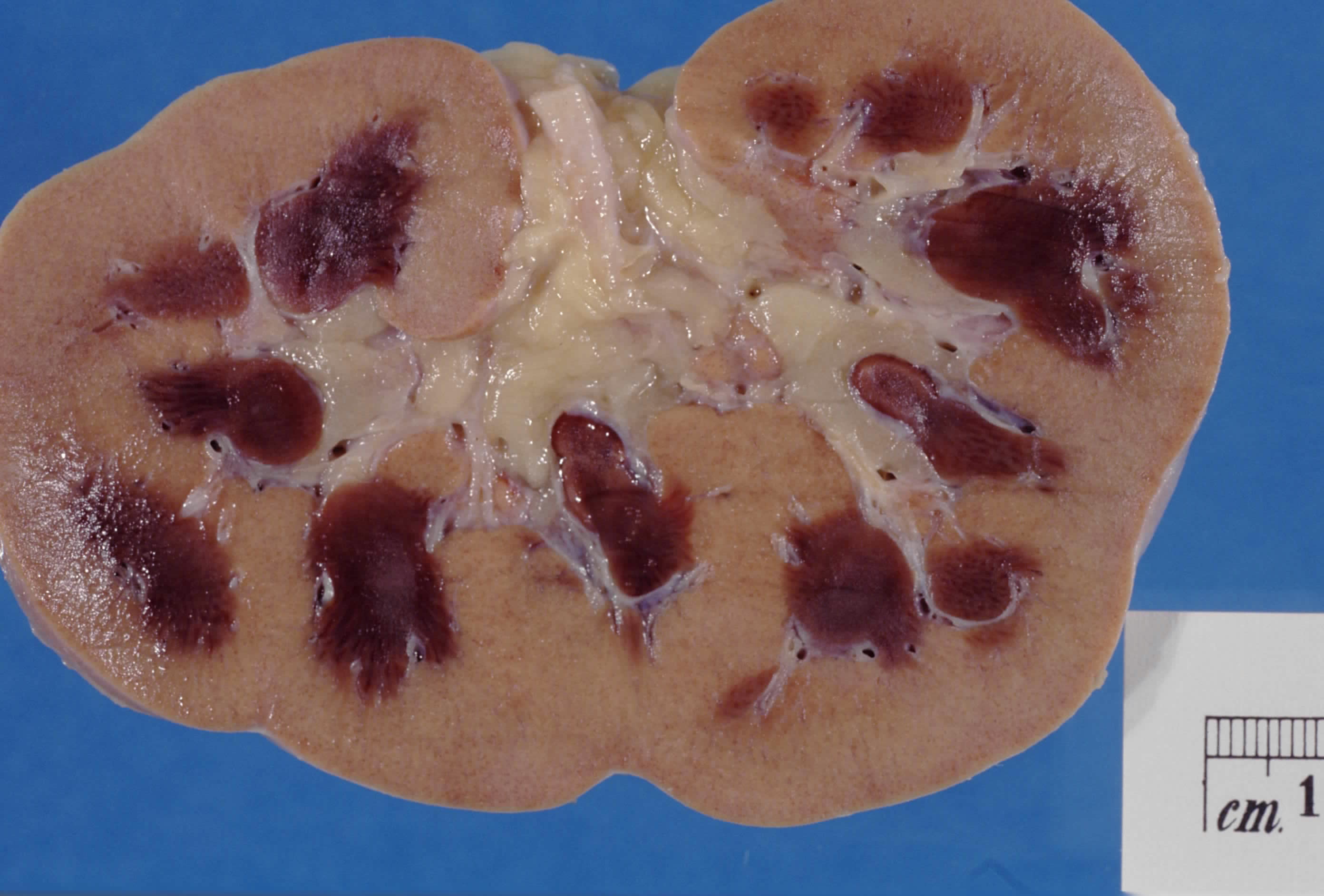
Kidney damage, also known as nephropathy, refers to any condition that impairs the kidneys' ability to filter waste and excess fluids from the blood. The kidneys, two bean-shaped organs located in the lower back, play a crucial role in maintaining overall health by regulating electrolyte levels, balancing acid-base levels, and producing urine. Chronic kidney disease (CKD) is a progressive loss of kidney function over time, while acute kidney injury (AKI) is a sudden loss of kidney function. According to the National Kidney Foundation, over 37 million Americans suffer from CKD, with many more at risk due to factors such as diabetes, high blood pressure, and family history. The economic burden of kidney disease is substantial, with estimated annual costs exceeding $100 billion. Research by the Centers for Disease Control and Prevention (CDC) and the World Health Organization (WHO) highlights the importance of early detection and prevention in mitigating the effects of kidney damage.
🎯 Introduction to Kidney Damage
Kidney damage can result from a variety of factors, including diabetes, high blood pressure, family history, and certain medications. The National Institute of Diabetes and Digestive and Kidney Diseases (NIDDK) estimates that over 90% of people with kidney disease do not know they have it. As Dr. Francis Peacock, a renowned nephrologist, notes, 'Early detection and treatment are crucial in slowing the progression of kidney disease.' The American Kidney Fund and the National Kidney Foundation are two organizations dedicated to raising awareness and supporting research for kidney disease.
🔍 Causes and Risk Factors
The kidneys are composed of several structures, including the glomeruli, tubules, and renal interstitium. Each of these structures can be affected by different types of kidney disease, such as glomerulonephritis, tubulointerstitial disease, and renal vascular disease. According to Mayo Clinic researchers, understanding the underlying causes of kidney damage is essential for developing effective treatment plans. The Centers for Disease Control and Prevention provides valuable resources for healthcare professionals and patients alike, including guidelines for diagnosis and management.
📊 Types of Kidney Disease
There are several types of kidney disease, including chronic kidney disease (CKD), acute kidney injury (AKI), and end-stage renal disease (ESRD). CKD is a progressive loss of kidney function over time, while AKI is a sudden loss of kidney function. ESRD is the final stage of kidney disease, requiring dialysis or a kidney transplant. The World Health Organization reports that kidney disease is a leading cause of death worldwide, with over 2.4 million people dying from kidney disease each year.
👥 Key People and Organizations
Several key people and organizations have made significant contributions to the field of nephrology. Dr. George Schreiner, a pioneer in the field, developed the first successful kidney dialysis machine. The National Institutes of Health (NIH) and the Kidney Disease: Improving Global Outcomes (KDIGO) organization are dedicated to advancing research and improving patient outcomes. The American Society of Nephrology provides a platform for nephrologists to share knowledge and best practices.
🌎 Global Impact and Prevalence
Kidney disease is a global health issue, affecting millions of people worldwide. The Centers for Disease Control and Prevention estimates that over 10% of the global population has some form of kidney disease. In the United States alone, over 37 million people suffer from CKD, with many more at risk due to factors such as diabetes and high blood pressure. The World Health Organization reports that kidney disease is a leading cause of death worldwide, with over 2.4 million people dying from kidney disease each year.
⚖️ Diagnosis and Treatment Options
Diagnosing kidney disease typically involves a combination of physical examination, medical history, and laboratory tests. Treatment options vary depending on the type and severity of the disease, but may include lifestyle modifications, medications, and dialysis or kidney transplantation. According to Dr. Bernard Jaar, a leading expert in nephrology, 'Early detection and treatment are crucial in slowing the progression of kidney disease.' The American Kidney Fund provides resources and support for patients with kidney disease, including financial assistance and educational materials.
🤝 Prevention and Management Strategies
Preventing kidney disease requires a comprehensive approach, including maintaining a healthy diet, exercising regularly, and managing underlying medical conditions. The National Kidney Foundation recommends that individuals with a family history of kidney disease or other risk factors undergo regular screening. The Centers for Disease Control and Prevention provides guidelines for healthcare professionals on preventing and managing kidney disease.
📊 Current Research and Developments
Current research is focused on developing new treatments and improving patient outcomes for kidney disease. The National Institutes of Health is funding studies on the use of stem cells and gene therapy to repair damaged kidneys. The Kidney Disease: Improving Global Outcomes organization is working to develop international guidelines for the diagnosis and management of kidney disease. The American Society of Nephrology is dedicated to advancing research and improving patient outcomes in the field of nephrology.
📚 Resources and Support
There are many resources available for individuals with kidney disease, including support groups, educational materials, and financial assistance programs. The American Kidney Fund and the National Kidney Foundation are two organizations dedicated to providing resources and support for patients with kidney disease. The Kidney Disease: Improving Global Outcomes organization provides international guidelines and resources for healthcare professionals and patients alike.
Key Facts
- Year
- 2022
- Origin
- Global
- Category
- chronic-conditions
- Type
- concept
Frequently Asked Questions
What are the symptoms of kidney damage?
The symptoms of kidney damage can vary depending on the type and severity of the disease, but may include fatigue, swelling, and changes in urination. According to Mayo Clinic researchers, early detection and treatment are crucial in slowing the progression of kidney disease. The Centers for Disease Control and Prevention provides guidelines for healthcare professionals on diagnosing and managing kidney disease.
How is kidney disease diagnosed?
Kidney disease is typically diagnosed through a combination of physical examination, medical history, and laboratory tests. The National Kidney Foundation recommends that individuals with a family history of kidney disease or other risk factors undergo regular screening. The American Kidney Fund provides resources and support for patients with kidney disease, including financial assistance and educational materials.
What are the treatment options for kidney disease?
Treatment options for kidney disease vary depending on the type and severity of the disease, but may include lifestyle modifications, medications, and dialysis or kidney transplantation. According to Dr. Bernard Jaar, a leading expert in nephrology, 'Early detection and treatment are crucial in slowing the progression of kidney disease.' The Kidney Disease: Improving Global Outcomes organization provides international guidelines and resources for healthcare professionals and patients alike.
Can kidney disease be prevented?
While some cases of kidney disease may not be preventable, maintaining a healthy diet, exercising regularly, and managing underlying medical conditions can help reduce the risk of developing kidney disease. The National Kidney Foundation recommends that individuals with a family history of kidney disease or other risk factors undergo regular screening. The Centers for Disease Control and Prevention provides guidelines for healthcare professionals on preventing and managing kidney disease.
What are the complications of kidney disease?
Kidney disease can lead to a range of complications, including cardiovascular disease, anemia, and bone disease. The Mayo Clinic recommends that individuals with kidney disease work closely with their healthcare team to manage these complications. The Centers for Disease Control and Prevention provides resources and guidelines for healthcare professionals on managing complications of kidney disease.
What are the current research and developments in the field of nephrology?
Current research is focused on developing new treatments and improving patient outcomes for kidney disease. The National Institutes of Health is funding studies on the use of stem cells and gene therapy to repair damaged kidneys. The Kidney Disease: Improving Global Outcomes organization is working to develop international guidelines for the diagnosis and management of kidney disease. The American Society of Nephrology is dedicated to advancing research and improving patient outcomes in the field of nephrology.
What are the resources available for patients with kidney disease?
There are many resources available for patients with kidney disease, including support groups, educational materials, and financial assistance programs. The American Kidney Fund and the National Kidney Foundation are two organizations dedicated to providing resources and support for patients with kidney disease. The Kidney Disease: Improving Global Outcomes organization provides international guidelines and resources for healthcare professionals and patients alike.