
Contents
- 🎯 Introduction to Industrial Hygiene
- ⚙️ The ARECC Process
- 📊 Key Facts and Statistics
- 👥 Key People and Organizations
- 🌍 Cultural Impact and Influence
- ⚡ Current State and Latest Developments
- 🤔 Controversies and Debates
- 🔮 Future Outlook and Predictions
- 💡 Practical Applications
- 📚 Related Topics and Deeper Reading
- Frequently Asked Questions
- References
- Related Topics
Overview
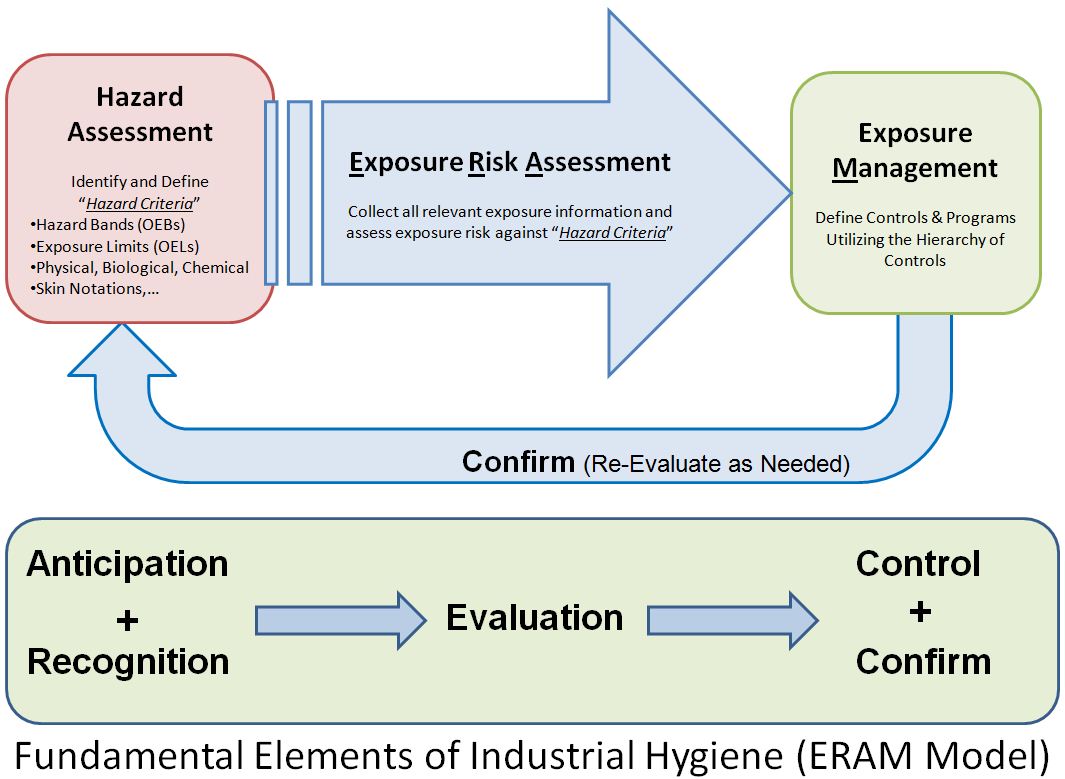
Industrial hygiene, also known as occupational hygiene, is the practice of anticipating, recognizing, evaluating, controlling, and confirming protection from risks associated with exposures to hazards in the workplace. This field of study focuses on identifying and mitigating biological, chemical, physical, ergonomic, and psychosocial hazards that can result in injury, illness, or impairment to workers and the community. With the help of toxicologists, physicists, physicians, and microbiologists, industrial hygienists work to understand the dose-response profile of chemicals, the risks of physical hazards, and the transmission of biological hazards. The goal of industrial hygiene is to create a safe and healthy work environment, and its applications can be seen in various industries, including manufacturing, construction, and healthcare. According to the Occupational Safety and Health Administration (OSHA), the implementation of industrial hygiene practices can reduce workplace injuries and illnesses by up to 40%. The National Institute for Occupational Safety and Health (NIOSH) also emphasizes the importance of industrial hygiene in preventing work-related diseases, such as occupational cancer and respiratory diseases. As the workforce continues to evolve, the field of industrial hygiene must adapt to new challenges, such as the rise of emerging technologies and the increasing awareness of mental health in the workplace.
🎯 Introduction to Industrial Hygiene
Industrial hygiene has its roots in the early 20th century, when the first occupational health laws were passed in the United States. The field has since evolved to include a wide range of disciplines, from toxicology to physics. Today, industrial hygienists work closely with OSHA and NIOSH to develop and implement guidelines for workplace safety. The American Industrial Hygiene Association (AIHA) is a key organization in the field, providing training and certification for industrial hygienists. For example, the AIHA offers a certification program for industrial hygienists, which includes a comprehensive exam and continuing education requirements.
⚙️ The ARECC Process
The ARECC process is a fundamental concept in industrial hygiene, involving the anticipation, recognition, evaluation, control, and confirmation of hazards in the workplace. This process is often used in conjunction with the hierarchy of controls, which prioritizes the elimination of hazards over the use of personal protective equipment (PPE). Industrial hygienists use a variety of tools and techniques to evaluate hazards, including air sampling and noise monitoring. The National Institute for Occupational Safety and Health (NIOSH) provides guidance on the use of these tools and techniques, as well as resources for industrial hygienists to stay up-to-date on the latest developments in the field.
📊 Key Facts and Statistics
According to OSHA, the implementation of industrial hygiene practices can reduce workplace injuries and illnesses by up to 40%. The Bureau of Labor Statistics (BLS) reports that the rate of work-related injuries and illnesses has declined significantly over the past few decades, from 10.9 cases per 100 full-time workers in 1972 to 2.8 cases per 100 full-time workers in 2020. However, there is still much work to be done, as an estimated 5,333 workers died on the job in 2020, according to the Centers for Disease Control and Prevention (CDC). The World Health Organization (WHO) also emphasizes the importance of industrial hygiene in preventing work-related diseases, such as occupational cancer and respiratory diseases.
👥 Key People and Organizations
Key people in the field of industrial hygiene include Alice Hamilton, a pioneering occupational health physician who worked with the U.S. Department of Labor to develop guidelines for workplace safety. Other notable figures include Cecil Drayton, a British industrial hygienist who developed the concept of the hierarchy of controls, and John F. Hinkle, an American industrial hygienist who worked with NIOSH to develop guidelines for air sampling. The American Conference of Governmental Industrial Hygienists (ACGIH) is a key organization in the field, providing guidance on threshold limit values (TLVs) for chemicals and other hazards.
🌍 Cultural Impact and Influence
Industrial hygiene has had a significant impact on workplace safety and health, with applications in a wide range of industries, from manufacturing to healthcare. The field has also influenced the development of occupational safety and health laws and regulations, such as the Occupational Safety and Health Act of 1970. However, there are still many challenges to be addressed, including the rise of emerging technologies, such as artificial intelligence and nanotechnology, which pose new hazards and risks to workers. The International Labor Organization (ILO) emphasizes the importance of industrial hygiene in addressing these challenges and promoting safe and healthy work environments.
⚡ Current State and Latest Developments
The current state of industrial hygiene is characterized by a growing awareness of the importance of mental health in the workplace, as well as the need for more effective strategies for controlling and mitigating hazards. The CDC reports that mental health disorders, such as depression and anxiety, are among the most common work-related health problems, and that they can have a significant impact on worker productivity and overall well-being. The WHO also emphasizes the importance of addressing mental health in the workplace, and provides guidance on strategies for promoting mental health and preventing mental health disorders. For example, the WHO recommends that employers provide access to mental health resources, such as counseling and employee assistance programs, and that they promote a culture of mental health awareness and support.
🤔 Controversies and Debates
There are several controversies and debates in the field of industrial hygiene, including the use of personal protective equipment (PPE) versus the elimination of hazards, and the role of regulatory agencies in enforcing workplace safety and health laws. Some argue that PPE is a necessary tool for protecting workers from hazards, while others argue that it is a temporary solution that does not address the underlying causes of hazards. The AIHA and ACGIH provide guidance on the use of PPE and the elimination of hazards, and emphasize the importance of a comprehensive approach to workplace safety and health.
🔮 Future Outlook and Predictions
The future of industrial hygiene is likely to be shaped by emerging technologies, such as artificial intelligence and Internet of Things (IoT), which will provide new tools and strategies for controlling and mitigating hazards. The CDC and NIOSH are already exploring the use of these technologies to improve workplace safety and health, and to develop more effective strategies for preventing work-related injuries and illnesses. For example, the CDC is using artificial intelligence to analyze data on work-related injuries and illnesses, and to identify trends and patterns that can inform prevention strategies.
💡 Practical Applications
Industrial hygiene has many practical applications, from the development of safety data sheets (SDSs) to the implementation of hazard communication programs. Industrial hygienists work closely with employers and workers to identify and mitigate hazards, and to develop effective strategies for controlling and preventing work-related injuries and illnesses. The OSHA and NIOSH provide guidance on the development and implementation of these programs, and emphasize the importance of a comprehensive approach to workplace safety and health.
Key Facts
- Year
- 2020
- Origin
- United States
- Category
- public-health
- Type
- concept
Frequently Asked Questions
What is industrial hygiene?
Industrial hygiene is the practice of anticipating, recognizing, evaluating, controlling, and confirming protection from risks associated with exposures to hazards in the workplace. It involves a multidisciplinary approach, including toxicology, physics, and microbiology, to identify and mitigate hazards. The goal of industrial hygiene is to create a safe and healthy work environment, and its applications can be seen in various industries, including manufacturing, construction, and healthcare.
What is the hierarchy of controls?
The hierarchy of controls is a framework for controlling and mitigating hazards in the workplace. It prioritizes the elimination of hazards, followed by substitution, engineering controls, administrative controls, and personal protective equipment (PPE). The hierarchy of controls is a key concept in industrial hygiene, and is used to develop effective strategies for controlling and preventing work-related injuries and illnesses.
What is the role of regulatory agencies in industrial hygiene?
Regulatory agencies, such as OSHA and NIOSH, play a critical role in enforcing workplace safety and health laws, and in developing guidelines and standards for industrial hygiene practices. They provide guidance on the use of personal protective equipment (PPE), the development of safety data sheets (SDSs), and the implementation of hazard communication programs. Regulatory agencies also conduct inspections and investigations to ensure compliance with workplace safety and health laws, and provide training and education to employers and workers on industrial hygiene practices.
How does industrial hygiene impact worker productivity and overall well-being?
Industrial hygiene has a significant impact on worker productivity and overall well-being. By controlling and mitigating hazards in the workplace, industrial hygiene practices can reduce the risk of work-related injuries and illnesses, and improve worker health and well-being. This, in turn, can lead to increased productivity, reduced absenteeism, and improved job satisfaction. The CDC and NIOSH provide guidance on the impact of industrial hygiene on worker productivity and overall well-being, and emphasize the importance of a comprehensive approach to promoting safe and healthy work environments.
What are some emerging trends and technologies in industrial hygiene?
Some emerging trends and technologies in industrial hygiene include the use of artificial intelligence (AI) and Internet of Things (IoT) to improve workplace safety and health. These technologies can provide new tools and strategies for controlling and mitigating hazards, and can help to identify and prevent work-related injuries and illnesses. The CDC and NIOSH are already exploring the use of these technologies, and are developing guidance on their application in industrial hygiene practices.
How does industrial hygiene relate to other fields, such as toxicology and epidemiology?
Industrial hygiene is closely related to other fields, such as toxicology and epidemiology, which provide important insights and tools for understanding and controlling hazards. Toxicology, for example, provides a understanding of the adverse effects of chemicals on human health, while epidemiology provides a understanding of the distribution and determinants of health-related events. The WHO and CDC provide guidance on the intersection of industrial hygiene and these related fields, and emphasize the importance of a comprehensive approach to promoting safe and healthy work environments.
What are some common challenges and limitations in industrial hygiene practices?
Some common challenges and limitations in industrial hygiene practices include the lack of resources and funding, the complexity of hazard identification and control, and the need for more effective strategies for controlling and mitigating hazards. The AIHA and ACGIH provide guidance on these challenges and limitations, and emphasize the importance of a comprehensive approach to promoting safe and healthy work environments.
How can industrial hygiene practices be improved and enhanced?
Industrial hygiene practices can be improved and enhanced through the use of new technologies, such as AI and IoT, and through the development of more effective strategies for controlling and mitigating hazards. The CDC and NIOSH provide guidance on these improvements and enhancements, and emphasize the importance of a comprehensive approach to promoting safe and healthy work environments.
What are some future directions and predictions for industrial hygiene?
Some future directions and predictions for industrial hygiene include the increased use of AI and IoT, the development of more effective strategies for controlling and mitigating hazards, and the increased emphasis on worker health and well-being. The WHO and CDC provide guidance on these future directions and predictions, and emphasize the importance of a comprehensive approach to promoting safe and healthy work environments.