
Contents
- 🎵 Origins & History
- ⚙️ How It Works
- 📊 Key Facts & Numbers
- 👥 Key People & Organizations
- 🌍 Cultural Impact & Influence
- ⚡ Current State & Latest Developments
- 🤔 Controversies & Debates
- 🔮 Future Outlook & Predictions
- 💡 Practical Applications
- 📚 Related Topics & Deeper Reading
- Frequently Asked Questions
- References
- Related Topics
Overview
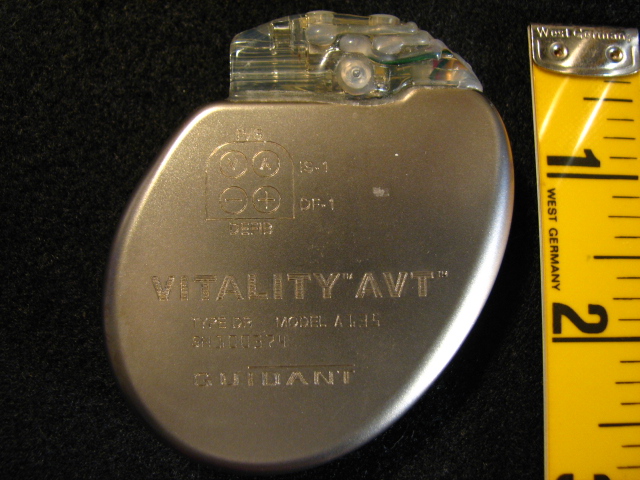
An implantable cardioverter defibrillator (ICD) is a medical device that is implanted inside the body to prevent sudden cardiac death by performing defibrillation, cardioversion, and pacing of the heart. The ICD is a first-line treatment for patients at risk for ventricular fibrillation and ventricular tachycardia, and has been developed by companies such as Boston Scientific and Medtronic. According to the American Heart Association, ICDs have been shown to be highly effective in reducing the risk of sudden cardiac death. The device is typically replaced every 5 to 10 years, depending on the type and model, with advances in technology such as lithium-ion batteries and rechargeable batteries allowing for longer battery life. As noted by Mayo Clinic, proper maintenance and follow-up care are crucial to ensuring the device functions correctly and the patient receives the best possible outcome.
🎵 Origins & History
The concept of an implantable cardioverter defibrillator dates back to the 1960s, when Michel Mirowski and Morton Mower first developed the idea of an automatic implantable defibrillator. The first ICD was implanted in 1980 by Dr. Levi Watkins at Johns Hopkins University. Since then, the technology has evolved significantly, with advancements in computer chip technology and material science leading to smaller, more efficient devices. Today, companies like Abbott and Boston Scientific continue to innovate and improve ICD technology.
⚙️ How It Works
An ICD works by continuously monitoring the heart's rhythm and detecting any abnormal rhythms, such as ventricular fibrillation or ventricular tachycardia. If an abnormal rhythm is detected, the device delivers an electric shock to the heart to restore a normal rhythm. The device can also perform cardioversion, which is a procedure that converts an abnormal rhythm back to a normal rhythm using electrical shocks. ICDs are typically programmed to deliver shocks only when necessary, and can be adjusted to meet the individual needs of each patient. As explained by WebMD, the device is usually implanted under the skin, near the collarbone, and is connected to the heart through one or more leads.
📊 Key Facts & Numbers
According to the Heart Rhythm Society, over 100,000 ICDs are implanted each year in the United States alone. The average cost of an ICD implantation procedure is around $50,000, although this can vary depending on the type of device and the location of the procedure. ICDs have been shown to be highly effective in reducing the risk of sudden cardiac death, with studies suggesting that they can reduce the risk by up to 50%. However, as noted by NIH, the devices are not without risks, and can cause complications such as infection, bleeding, and damage to the heart or lungs. The CDC also reports that ICDs can have a significant impact on a patient's quality of life, with many patients experiencing anxiety and depression after implantation.
👥 Key People & Organizations
Key people involved in the development and advancement of ICD technology include Michel Mirowski and Morty Mower, who first developed the idea of an automatic implantable defibrillator. Other notable figures include Dr. Levi Watkins, who implanted the first ICD in 1980, and Dr. Bernard Lown, who developed the first successful defibrillator. Companies such as Boston Scientific and Medtronic have also played a significant role in the development and manufacturing of ICDs. As reported by Forbes, these companies are constantly innovating and improving ICD technology, with a focus on making the devices smaller, more efficient, and more effective.
🌍 Cultural Impact & Influence
ICDs have had a significant cultural impact, particularly in the medical community. The development of ICDs has led to a greater understanding of the importance of preventing sudden cardiac death, and has raised awareness about the risks of ventricular fibrillation and ventricular tachycardia. ICDs have also been featured in various media outlets, including ABC News and CNN, which have highlighted the devices' life-saving capabilities. As noted by PBS, ICDs have also been the subject of several documentaries and films, including the award-winning documentary 'The Implanted Heart'.
⚡ Current State & Latest Developments
The current state of ICD technology is rapidly evolving, with advancements in artificial intelligence and machine learning leading to more sophisticated devices. For example, Google has developed an AI-powered ICD that can detect abnormal heart rhythms more accurately than traditional devices. Additionally, companies such as Amazon are exploring the use of ICDs in remote patient monitoring, which could revolutionize the way patients with heart conditions are cared for. As reported by Bloomberg, the global ICD market is expected to grow significantly in the next few years, driven by increasing demand for these devices.
🤔 Controversies & Debates
Despite the many benefits of ICDs, there are also controversies and debates surrounding their use. Some critics argue that ICDs are overused, and that they can cause unnecessary harm to patients. Others argue that the devices are not effective in preventing sudden cardiac death, and that other treatments, such as catheter ablation, may be more effective. As noted by JAMA, the use of ICDs is also a topic of debate among medical professionals, with some arguing that the devices should be used more widely, while others argue that they should be used more judiciously. The WHO has also weighed in on the debate, emphasizing the importance of careful patient selection and follow-up care.
🔮 Future Outlook & Predictions
The future outlook for ICDs is promising, with advancements in technology leading to smaller, more efficient devices. As noted by IEEE, the use of nanotechnology and biomaterials is expected to play a significant role in the development of future ICDs. Additionally, the use of cloud computing and big data is expected to improve the ability to monitor and analyze patient data, leading to better outcomes and more effective treatment. The NSF has also funded research into the development of new ICD technologies, including implantable devices that can detect and respond to abnormal heart rhythms in real-time.
💡 Practical Applications
ICDs have many practical applications, particularly in the prevention and treatment of sudden cardiac death. They are commonly used in patients with a history of ventricular fibrillation or ventricular tachycardia, as well as those with a high risk of sudden cardiac death due to other conditions, such as heart failure or cardiomyopathy. ICDs are also used in patients with bradycardia, or a slow heart rate, and can be used to pace the heart and restore a normal rhythm. As explained by Healthline, ICDs can also be used in conjunction with other treatments, such as medication and lifestyle changes, to manage and prevent heart conditions.
Key Facts
- Year
- 1980
- Origin
- United States
- Category
- chronic-conditions
- Type
- medical-device
Frequently Asked Questions
What is an implantable cardioverter defibrillator?
An implantable cardioverter defibrillator (ICD) is a medical device that is implanted inside the body to prevent sudden cardiac death by performing defibrillation, cardioversion, and pacing of the heart. As explained by Mayo Clinic, ICDs are typically used in patients with a history of ventricular fibrillation or ventricular tachycardia, as well as those with a high risk of sudden cardiac death due to other conditions. The device is usually implanted under the skin, near the collarbone, and is connected to the heart through one or more leads.
How does an ICD work?
An ICD works by continuously monitoring the heart's rhythm and detecting any abnormal rhythms, such as ventricular fibrillation or ventricular tachycardia. If an abnormal rhythm is detected, the device delivers an electric shock to the heart to restore a normal rhythm. As noted by WebMD, the device can also perform cardioversion, which is a procedure that converts an abnormal rhythm back to a normal rhythm using electrical shocks. The device is typically programmed to deliver shocks only when necessary, and can be adjusted to meet the individual needs of each patient.
What are the benefits of an ICD?
The benefits of an ICD include the prevention of sudden cardiac death, improved patient outcomes, and increased quality of life. As reported by NIH, ICDs have been shown to be highly effective in reducing the risk of sudden cardiac death, with studies suggesting that they can reduce the risk by up to 50%. However, as noted by JAMA, the devices are not without risks, and can cause complications such as infection, bleeding, and damage to the heart or lungs.
What are the risks of an ICD?
The risks of an ICD include infection, bleeding, and damage to the heart or lungs. As explained by Healthline, the device can also cause anxiety and depression in some patients, and can have a significant impact on a patient's quality of life. However, as noted by CDC, the benefits of an ICD far outweigh the risks, and the device is considered a lifesaving treatment for patients at risk for sudden cardiac death.
How long does an ICD battery last?
The average lifespan of an ICD battery is around 6-10 years, although this can vary depending on the type and model of the device. As reported by Bloomberg, advances in technology, such as lithium-ion batteries and rechargeable batteries, may allow batteries to last for more than 10 years. The leads (electrical cable wires connecting the device to the heart) have much longer average longevity, but can malfunction in various ways, specifically insulation failure or fracture of the conductor; thus, ICDs and leads generally require replacement every 5 to 10 years.
Can an ICD be used in conjunction with other treatments?
Yes, an ICD can be used in conjunction with other treatments, such as medication and lifestyle changes, to manage and prevent heart conditions. As explained by PBS, ICDs can also be used in conjunction with other medical devices, such as pacemakers and implantable cardiac monitors.
What is the future outlook for ICDs?
The future outlook for ICDs is promising, with advancements in technology leading to smaller, more efficient devices. As noted by IEEE, the use of nanotechnology and biomaterials is expected to play a significant role in the development of future ICDs. Additionally, the use of cloud computing and big data is expected to improve the ability to monitor and analyze patient data, leading to better outcomes and more effective treatment.
How much does an ICD cost?
The average cost of an ICD implantation procedure is around $50,000, although this can vary depending on the type of device and the location of the procedure. As reported by Forbes, the cost of an ICD can be significant, but the benefits of the device far outweigh the costs, and the device is considered a lifesaving treatment for patients at risk for sudden cardiac death.