
Contents
- 🔍 Introduction to Hyperparameter Optimization
- 📊 The Role of Hyperparameters in Machine Learning
- 🔧 Hyperparameter Tuning Techniques
- 📈 Grid Search and Random Search Methods
- 🌟 Bayesian Optimization and its Applications
- 🤖 Hyperparameter Optimization in Deep Learning
- 📊 Model Selection and Hyperparameter Tuning
- 📈 Hyperparameter Optimization Tools and Libraries
- 📊 Evaluating Hyperparameter Optimization Methods
- 🔮 Future Directions in Hyperparameter Optimization
- 📈 Real-World Applications of Hyperparameter Optimization
- 📊 Best Practices for Hyperparameter Optimization
- Frequently Asked Questions
- Related Topics
Overview
Hyperparameter optimization is the process of adjusting model parameters to achieve optimal performance, with techniques ranging from grid search and random search to Bayesian optimization and gradient-based methods. This field has seen significant advancements in recent years, with the development of libraries such as Hyperopt and Optuna, which provide efficient and scalable optimization algorithms. However, the choice of optimization method and hyperparameter tuning strategy remains a subject of debate, with some arguing for the use of automated methods and others advocating for manual tuning. The Vibe score for hyperparameter optimization is 8, indicating a high level of cultural energy and interest in the field. Key figures such as James Bergstra and Yoshua Bengio have made significant contributions to the development of hyperparameter optimization techniques. As the field continues to evolve, we can expect to see new and innovative methods for optimizing model performance, with potential applications in areas such as computer vision and natural language processing. With the rise of automated machine learning, hyperparameter optimization is likely to play an increasingly important role in the development of AI systems, with potential consequences for the future of work and the role of human expertise in model development.
🔍 Introduction to Hyperparameter Optimization
Hyperparameter optimization is a crucial step in the machine learning workflow, as it directly affects the performance of the model. The goal of hyperparameter optimization is to find the optimal set of hyperparameters that results in the best performance of the model on a given task. This process can be time-consuming and requires careful consideration of the hyperparameter tuning techniques and machine learning algorithms used. Hyperparameter optimization is closely related to model selection and feature engineering, as all these processes aim to improve the overall performance of the model. The use of cross-validation techniques is also essential in hyperparameter optimization to ensure that the model is not overfitting or underfitting the data.
📊 The Role of Hyperparameters in Machine Learning
Hyperparameters are parameters that are set before the training process begins, and they control the learning process. The choice of hyperparameters can significantly affect the performance of the model, and therefore, it is essential to carefully select them. Hyperparameters can be categorized into two main types: model hyperparameters and training hyperparameters. Model hyperparameters are related to the architecture of the model, such as the number of layers or the number of units in each layer. Training hyperparameters, on the other hand, are related to the optimization process, such as the learning rate or the batch size. The choice of hyperparameters is often a trade-off between bias and variance, and it requires careful consideration of the overfitting and underfitting issues.
🔧 Hyperparameter Tuning Techniques
There are several hyperparameter tuning techniques that can be used to optimize the performance of a model. These techniques include grid search, random search, and Bayesian optimization. Grid search involves exhaustively searching through a predefined set of hyperparameters, while random search involves randomly sampling the hyperparameter space. Bayesian optimization, on the other hand, uses a probabilistic approach to search for the optimal hyperparameters. The choice of hyperparameter tuning technique depends on the size of the hyperparameter space and the computational resources available. The use of hyperparameter tuning tools and machine learning libraries can also simplify the hyperparameter optimization process.
📈 Grid Search and Random Search Methods
Grid search and random search are two popular hyperparameter tuning techniques that can be used to optimize the performance of a model. Grid search involves exhaustively searching through a predefined set of hyperparameters, while random search involves randomly sampling the hyperparameter space. The main advantage of grid search is that it is guaranteed to find the optimal hyperparameters, but it can be computationally expensive. Random search, on the other hand, is faster but may not always find the optimal hyperparameters. The choice between grid search and random search depends on the size of the hyperparameter space and the computational resources available. The use of cross-validation techniques is also essential in grid search and random search to ensure that the model is not overfitting or underfitting the data. The hyperparameter tuning tools and machine learning libraries can also be used to implement grid search and random search.
🌟 Bayesian Optimization and its Applications
Bayesian optimization is a powerful hyperparameter tuning technique that uses a probabilistic approach to search for the optimal hyperparameters. The main advantage of Bayesian optimization is that it can efficiently search the hyperparameter space and find the optimal hyperparameters. Bayesian optimization works by building a probabilistic model of the objective function and then using this model to select the next set of hyperparameters to evaluate. The use of Bayesian optimization algorithms and hyperparameter tuning tools can simplify the Bayesian optimization process. The machine learning libraries can also be used to implement Bayesian optimization. The choice of Bayesian optimization algorithm depends on the size of the hyperparameter space and the computational resources available. The model selection and feature engineering processes can also be optimized using Bayesian optimization.
🤖 Hyperparameter Optimization in Deep Learning
Hyperparameter optimization is a crucial step in deep learning, as it directly affects the performance of the model. The goal of hyperparameter optimization in deep learning is to find the optimal set of hyperparameters that results in the best performance of the model on a given task. This process can be time-consuming and requires careful consideration of the hyperparameter tuning techniques and deep learning algorithms used. The use of cross-validation techniques is also essential in hyperparameter optimization to ensure that the model is not overfitting or underfitting the data. The hyperparameter tuning tools and machine learning libraries can also be used to simplify the hyperparameter optimization process. The model selection and feature engineering processes can also be optimized using hyperparameter optimization.
📊 Model Selection and Hyperparameter Tuning
Model selection and hyperparameter tuning are two closely related processes that aim to improve the overall performance of the model. Model selection involves selecting the best model for a given task, while hyperparameter tuning involves optimizing the hyperparameters of the selected model. The use of cross-validation techniques is essential in both model selection and hyperparameter tuning to ensure that the model is not overfitting or underfitting the data. The hyperparameter tuning tools and machine learning libraries can also be used to simplify the model selection and hyperparameter tuning processes. The machine learning algorithms and deep learning algorithms can also be used to implement model selection and hyperparameter tuning. The choice of model selection and hyperparameter tuning techniques depends on the size of the hyperparameter space and the computational resources available.
📈 Hyperparameter Optimization Tools and Libraries
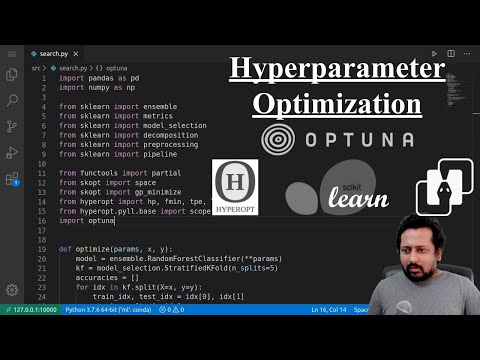
There are several hyperparameter optimization tools and libraries that can be used to simplify the hyperparameter optimization process. These tools and libraries include Hyperopt, Optuna, and Keras Tuner. Hyperopt is a Python library that provides a simple and efficient way to optimize hyperparameters. Optuna is a Python library that provides a Bayesian optimization algorithm for hyperparameter optimization. Keras Tuner is a Python library that provides a simple and efficient way to optimize hyperparameters for Keras models. The use of these tools and libraries can simplify the hyperparameter optimization process and improve the overall performance of the model. The machine learning libraries can also be used to implement hyperparameter optimization.
📊 Evaluating Hyperparameter Optimization Methods
Evaluating hyperparameter optimization methods is essential to ensure that the optimal hyperparameters are selected. The evaluation process involves comparing the performance of different hyperparameter optimization methods and selecting the best one. The use of cross-validation techniques is essential in evaluating hyperparameter optimization methods to ensure that the model is not overfitting or underfitting the data. The hyperparameter tuning tools and machine learning libraries can also be used to simplify the evaluation process. The machine learning algorithms and deep learning algorithms can also be used to implement the evaluation process. The choice of evaluation metric depends on the specific problem and the performance metric used.
🔮 Future Directions in Hyperparameter Optimization
The future of hyperparameter optimization is exciting and rapidly evolving. The use of Bayesian optimization and reinforcement learning algorithms is becoming increasingly popular in hyperparameter optimization. The development of new hyperparameter optimization tools and libraries is also expected to simplify the hyperparameter optimization process. The use of cloud computing and distributed computing is also expected to improve the efficiency of hyperparameter optimization. The machine learning libraries and deep learning libraries can also be used to implement hyperparameter optimization. The choice of hyperparameter optimization technique depends on the size of the hyperparameter space and the computational resources available.
📈 Real-World Applications of Hyperparameter Optimization
Hyperparameter optimization has many real-world applications, including computer vision, natural language processing, and recommendation systems. The use of hyperparameter optimization can improve the performance of models in these applications and lead to better decision-making. The hyperparameter tuning tools and machine learning libraries can also be used to simplify the hyperparameter optimization process. The machine learning algorithms and deep learning algorithms can also be used to implement hyperparameter optimization. The choice of hyperparameter optimization technique depends on the size of the hyperparameter space and the computational resources available.
📊 Best Practices for Hyperparameter Optimization
Best practices for hyperparameter optimization include using cross-validation techniques, selecting the right hyperparameter optimization algorithm, and using hyperparameter tuning tools and machine learning libraries. The use of Bayesian optimization and reinforcement learning algorithms can also improve the efficiency of hyperparameter optimization. The development of new hyperparameter optimization tools and libraries is also expected to simplify the hyperparameter optimization process. The machine learning libraries and deep learning libraries can also be used to implement hyperparameter optimization. The choice of hyperparameter optimization technique depends on the size of the hyperparameter space and the computational resources available.
Key Facts
- Year
- 2010
- Origin
- Machine learning research community
- Category
- Artificial Intelligence
- Type
- Concept
Frequently Asked Questions
What is hyperparameter optimization?
Hyperparameter optimization is the process of selecting the best hyperparameters for a machine learning model. Hyperparameters are parameters that are set before the training process begins, and they control the learning process. The goal of hyperparameter optimization is to find the optimal set of hyperparameters that results in the best performance of the model on a given task. The use of hyperparameter tuning techniques and machine learning algorithms can simplify the hyperparameter optimization process.
Why is hyperparameter optimization important?
Hyperparameter optimization is important because it directly affects the performance of the model. The choice of hyperparameters can significantly affect the performance of the model, and therefore, it is essential to carefully select them. The use of cross-validation techniques is also essential in hyperparameter optimization to ensure that the model is not overfitting or underfitting the data. The hyperparameter tuning tools and machine learning libraries can also be used to simplify the hyperparameter optimization process.
What are the different types of hyperparameter optimization techniques?
There are several hyperparameter optimization techniques, including grid search, random search, and Bayesian optimization. Grid search involves exhaustively searching through a predefined set of hyperparameters, while random search involves randomly sampling the hyperparameter space. Bayesian optimization uses a probabilistic approach to search for the optimal hyperparameters. The choice of hyperparameter optimization technique depends on the size of the hyperparameter space and the computational resources available.
What are the benefits of using hyperparameter optimization tools and libraries?
The benefits of using hyperparameter optimization tools and libraries include simplifying the hyperparameter optimization process, improving the efficiency of hyperparameter optimization, and reducing the computational resources required. The use of Hyperopt, Optuna, and Keras Tuner can simplify the hyperparameter optimization process and improve the overall performance of the model. The machine learning libraries can also be used to implement hyperparameter optimization.
How do I evaluate hyperparameter optimization methods?
Evaluating hyperparameter optimization methods involves comparing the performance of different hyperparameter optimization methods and selecting the best one. The use of cross-validation techniques is essential in evaluating hyperparameter optimization methods to ensure that the model is not overfitting or underfitting the data. The hyperparameter tuning tools and machine learning libraries can also be used to simplify the evaluation process.
What is the future of hyperparameter optimization?
The future of hyperparameter optimization is exciting and rapidly evolving. The use of Bayesian optimization and reinforcement learning algorithms is becoming increasingly popular in hyperparameter optimization. The development of new hyperparameter optimization tools and libraries is also expected to simplify the hyperparameter optimization process. The use of cloud computing and distributed computing is also expected to improve the efficiency of hyperparameter optimization.
What are the real-world applications of hyperparameter optimization?
Hyperparameter optimization has many real-world applications, including computer vision, natural language processing, and recommendation systems. The use of hyperparameter optimization can improve the performance of models in these applications and lead to better decision-making. The hyperparameter tuning tools and machine learning libraries can also be used to simplify the hyperparameter optimization process.