
Contents
- 🎯 Introduction to Hematological Malignancies
- ⚙️ Causes and Risk Factors
- 📊 Types and Classification
- 👥 Diagnosis and Treatment Options
- 🌎 Epidemiology and Global Impact
- ⚡ Current Research and Developments
- 🤔 Challenges and Controversies
- 🔮 Future Outlook and Projections
- 💡 Patient Support and Resources
- 📚 Related Topics and Further Reading
- Frequently Asked Questions
- References
- Related Topics
Overview
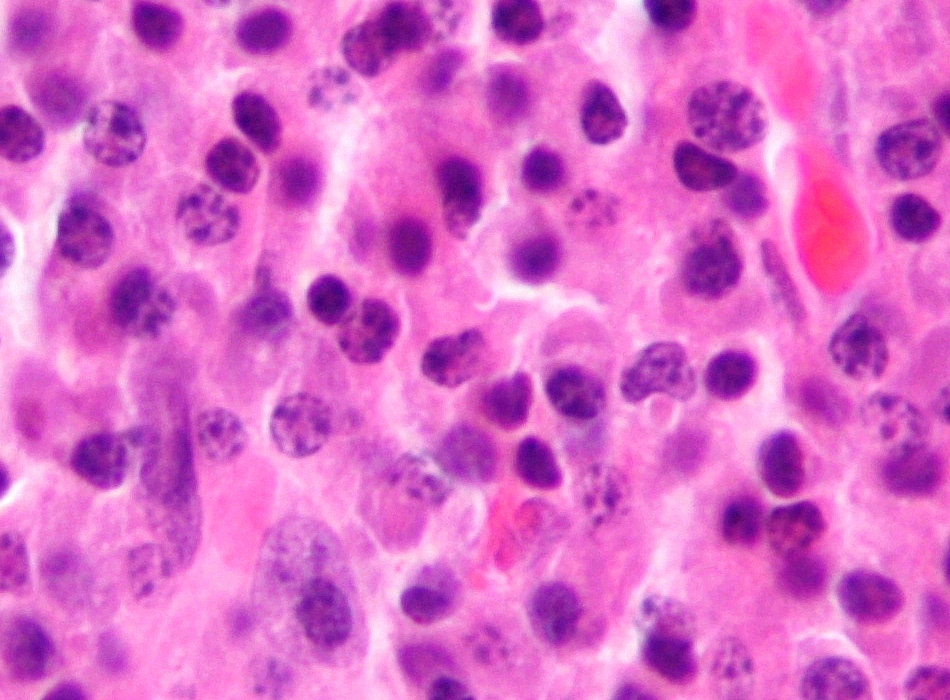
Hematological malignancies are a group of cancers that affect the blood, bone marrow, lymph, and lymphatic system, often requiring a multidisciplinary approach to diagnosis and treatment. These malignancies, including leukemias, lymphomas, and myelomas, are closely related due to the interconnectedness of the circulatory and immune systems. With chromosomal translocations being a common cause, hematological malignancies are typically treated by specialists in hematology and/or oncology. According to the World Health Organization (WHO), approximately 1.24 million people worldwide were diagnosed with a hematological malignancy in 2020, with the incidence expected to rise by 10% annually. The American Cancer Society estimates that in 2022, over 175,000 new cases of hematological malignancies were diagnosed in the United States alone, highlighting the need for continued research and advancements in treatment options, such as bone marrow transplantation and targeted therapies, as discussed by the National Institute of Health (NIH) and the Mayo Clinic.
🎯 Introduction to Hematological Malignancies
Hematological malignancies are a complex group of diseases that affect the blood, bone marrow, lymph, and lymphatic system. The history of these malignancies dates back to the early 20th century, with the first reported cases of leukemia and lymphoma. Since then, significant advancements have been made in understanding the causes, diagnosis, and treatment of these diseases, with the work of pioneers like Marie Curie and Sidney Farber contributing to the development of modern treatments. Today, hematological malignancies are recognized as a major public health concern, with the World Health Organization (WHO) and the National Cancer Institute (NCI) working together to improve diagnosis, treatment, and patient outcomes.
⚙️ Causes and Risk Factors
The causes of hematological malignancies are multifaceted and involve a combination of genetic, environmental, and lifestyle factors. Chromosomal translocations, which are rare in solid tumors, are a common cause of these diseases, as discussed in research published in the journal Nature. Exposure to radiation, certain chemicals, and viruses can also increase the risk of developing a hematological malignancy. Additionally, genetic disorders such as Down syndrome and Fanconi anemia can predispose individuals to these cancers, highlighting the importance of genetic counseling and screening, as recommended by the American Society of Hematology (ASH).
📊 Types and Classification
Hematological malignancies can be classified into several types, including leukemias, lymphomas, and myelomas. Each type has distinct characteristics and requires a tailored approach to diagnosis and treatment. For example, acute lymphoblastic leukemia (ALL) is a type of leukemia that affects the lymphoid cells, while chronic myeloid leukemia (CML) affects the myeloid cells. The classification of hematological malignancies is based on the type of cell affected, the stage of disease, and the presence of specific genetic mutations, as outlined by the WHO and the International Agency for Research on Cancer (IARC).
👥 Diagnosis and Treatment Options
Diagnosis and treatment of hematological malignancies typically involve a multidisciplinary approach, with a team of specialists including hematologists, oncologists, radiologists, and pathologists working together to develop a personalized treatment plan. Treatment options may include chemotherapy, radiation therapy, bone marrow transplantation, and targeted therapies, such as those developed by Gilead Sciences and Novartis. The choice of treatment depends on the type and stage of disease, as well as the patient's overall health and preferences, as discussed in guidelines published by the National Comprehensive Cancer Network (NCCN).
🌎 Epidemiology and Global Impact
Hematological malignancies are a significant public health concern, with a substantial impact on individuals, families, and society as a whole. According to the American Cancer Society, the incidence of hematological malignancies is expected to rise by 10% annually, with the majority of cases occurring in developed countries. The economic burden of these diseases is also significant, with the total cost of care estimated to be over $100 billion annually in the United States alone, as reported by the Centers for Medicare and Medicaid Services (CMS).
⚡ Current Research and Developments
Current research and developments in the field of hematological malignancies are focused on improving diagnosis, treatment, and patient outcomes. Advances in genetic testing, such as next-generation sequencing, have enabled the identification of specific genetic mutations that can inform treatment decisions, as discussed in research published in the journal Science. Additionally, the development of new targeted therapies, such as CAR-T cell therapy, has shown promising results in clinical trials, as reported by the FDA and the European Medicines Agency (EMA).
🤔 Challenges and Controversies
Despite the progress made in the diagnosis and treatment of hematological malignancies, there are still several challenges and controversies in the field. One of the major challenges is the lack of effective treatments for certain types of hematological malignancies, such as acute myeloid leukemia (AML). Additionally, the high cost of treatment and the limited access to care in developing countries are significant concerns, highlighting the need for increased funding and support for research and patient care, as advocated by organizations like the Leukemia and Lymphoma Society and the Lymphoma Research Foundation.
🔮 Future Outlook and Projections
The future outlook for hematological malignancies is promising, with several new treatments and therapies in development. The use of immunotherapy, such as checkpoint inhibitors, has shown significant promise in clinical trials, as reported by the Journal of Clinical Oncology. Additionally, the development of personalized medicine approaches, such as precision medicine, is expected to improve treatment outcomes and reduce side effects, as discussed in research published in the journal Nature Medicine.
💡 Patient Support and Resources
Patient support and resources are essential for individuals diagnosed with hematological malignancies. Organizations such as the Leukemia and Lymphoma Society and the Lymphoma Research Foundation provide valuable information, support, and advocacy for patients and their families. Additionally, online resources, such as Cancer.gov and Mayo Clinic, offer a wealth of information on diagnosis, treatment, and management of hematological malignancies.
Key Facts
- Year
- 2022
- Origin
- Global
- Category
- chronic-conditions
- Type
- concept
Frequently Asked Questions
What are hematological malignancies?
Hematological malignancies are a group of cancers that affect the blood, bone marrow, lymph, and lymphatic system. They are characterized by the uncontrolled growth of abnormal cells in these tissues, leading to a range of symptoms and complications. According to the National Cancer Institute (NCI), hematological malignancies account for approximately 10% of all new cancer cases diagnosed in the United States each year.
What are the types of hematological malignancies?
The main types of hematological malignancies are leukemias, lymphomas, and myelomas. Leukemias are cancers of the blood and bone marrow, while lymphomas are cancers of the lymphatic system. Myelomas are cancers of the plasma cells in the bone marrow. Each type has distinct characteristics and requires a tailored approach to diagnosis and treatment, as discussed in guidelines published by the American Society of Hematology (ASH).
What are the symptoms of hematological malignancies?
The symptoms of hematological malignancies can vary depending on the type and stage of disease. Common symptoms include fatigue, weight loss, fever, and swelling of the lymph nodes. In some cases, patients may experience bleeding or bruising easily, or have recurring infections, as reported by the Mayo Clinic. It is essential to seek medical attention if you are experiencing any of these symptoms, as early diagnosis and treatment can significantly improve outcomes.
How are hematological malignancies diagnosed?
Hematological malignancies are typically diagnosed through a combination of physical examination, laboratory tests, and imaging studies. Blood tests, such as complete blood counts (CBCs) and blood smears, can help identify abnormal cells in the blood. Bone marrow biopsies and imaging studies, such as CT scans and PET scans, can also be used to diagnose and stage the disease, as discussed in research published in the journal Radiology.
What are the treatment options for hematological malignancies?
Treatment options for hematological malignancies depend on the type and stage of disease, as well as the patient's overall health and preferences. Common treatment options include chemotherapy, radiation therapy, bone marrow transplantation, and targeted therapies. In some cases, patients may also undergo surgery to remove affected lymph nodes or other tissues, as reported by the National Institute of Health (NIH).
What is the prognosis for patients with hematological malignancies?
The prognosis for patients with hematological malignancies varies depending on the type and stage of disease, as well as the effectiveness of treatment. In general, patients with early-stage disease tend to have a better prognosis than those with advanced disease. According to the American Cancer Society, the 5-year survival rate for patients with hematological malignancies is approximately 70%, highlighting the importance of early diagnosis and treatment.
What are the latest developments in the treatment of hematological malignancies?
The latest developments in the treatment of hematological malignancies include the use of immunotherapy, such as checkpoint inhibitors, and targeted therapies, such as CAR-T cell therapy. These treatments have shown significant promise in clinical trials and are expected to improve patient outcomes in the coming years, as discussed in research published in the journal New England Journal of Medicine.