
Contents
- 🎵 Origins & History
- ⚙️ How It Works
- 📊 Key Facts & Numbers
- 👥 Key People & Organizations
- 🌍 Cultural Impact & Influence
- ⚡ Current State & Latest Developments
- 🤔 Controversies & Debates
- 🔮 Future Outlook & Predictions
- 💡 Practical Applications
- 📚 Related Topics & Deeper Reading
- Frequently Asked Questions
- References
- Related Topics
Overview
Healthcare applications are transforming the medical landscape by leveraging artificial intelligence, machine learning, and data analytics to improve patient outcomes, streamline clinical workflows, and enhance the overall quality of care. With the global healthcare industry projected to reach $11.9 trillion by 2025, according to a report by Deloitte, the demand for effective and efficient healthcare applications is on the rise. From telemedicine platforms like Teladoc to electronic health records (EHRs) systems like Epic Systems, healthcare applications are playing a vital role in modernizing healthcare delivery. As the use of healthcare applications continues to grow, it is essential to address the ethical concerns surrounding data privacy, security, and algorithmic bias, as highlighted by the World Health Organization (WHO). With the help of healthcare applications, patients can now access personalized care, receive timely interventions, and enjoy better health outcomes, as seen in the success stories of PatientsLikeMe and 23andMe.
🎵 Origins & History
The concept of healthcare applications dates back to the 1960s, when the first computerized medical records were introduced. However, it wasn't until the 1990s that the widespread adoption of the internet and mobile devices enabled the development of more sophisticated healthcare applications. Today, healthcare applications are used by patients, healthcare providers, and payers to manage various aspects of healthcare, from appointment scheduling to medical billing, as seen in the platforms offered by Athenahealth and Cerner. The history of healthcare applications is closely tied to the evolution of healthcare technology, with key milestones including the introduction of electronic health records (EHRs) and the development of telemedicine platforms, such as American Telemedicine Association.
⚙️ How It Works
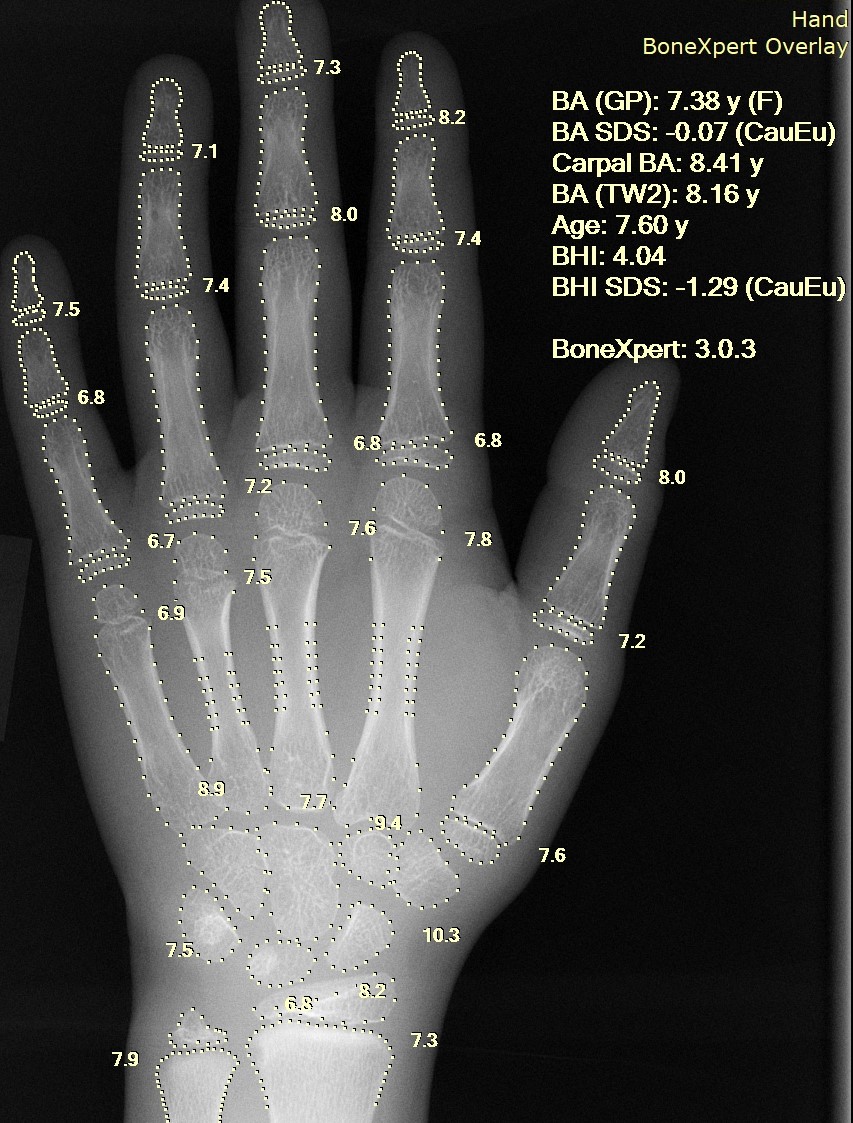
Healthcare applications work by leveraging various technologies, including artificial intelligence, machine learning, and data analytics, to analyze and interpret large amounts of medical data. This data can come from various sources, including EHRs, medical imaging, and wearable devices, such as those offered by Fitbit and Garmin. By applying advanced algorithms and statistical models to this data, healthcare applications can identify patterns, predict patient outcomes, and provide personalized recommendations for treatment, as seen in the work of IBM Watson Health and Google Health. For example, a healthcare application might use natural language processing (NLP) to analyze a patient's medical history and identify potential drug interactions, or use computer vision to analyze medical images and detect abnormalities, such as those detected by DeepMind's AI-powered diagnostic tools.
📊 Key Facts & Numbers
The market for healthcare applications is growing rapidly, with an estimated global value of $58.8 billion in 2020, according to a report by MarketsandMarkets. The use of healthcare applications is also becoming more widespread, with 71% of healthcare providers using mobile devices to access patient data, according to a survey by HIMSS. Other key statistics include the fact that 64% of patients use online portals to manage their healthcare, and 45% of healthcare providers use telemedicine platforms to deliver care, as reported by Telemedicine Magazine. The impact of healthcare applications on patient outcomes is also significant, with studies showing that they can improve patient engagement, reduce hospital readmissions, and enhance the overall quality of care, as seen in the results of a study published in the Journal of the American Medical Association.
👥 Key People & Organizations
Key people and organizations involved in the development and implementation of healthcare applications include healthcare providers, payers, and technology vendors. Some notable examples include Epic Systems, Cerner, and Athenahealth, which provide EHR systems and other healthcare applications to healthcare providers. Other key players include Teladoc, American Well, and Doctor on Demand, which offer telemedicine platforms and other digital health services, as well as Google, Microsoft, and IBM, which provide cloud-based infrastructure and AI-powered analytics to support the development of healthcare applications. Additionally, organizations like the Healthcare Information and Management Systems Society (HIMSS) and the American Medical Association (AMA) play a crucial role in promoting the adoption of healthcare applications and ensuring their safe and effective use.
🌍 Cultural Impact & Influence
The cultural impact of healthcare applications is significant, with the potential to transform the way healthcare is delivered and experienced. By providing patients with greater access to their medical data and enabling them to take a more active role in their care, healthcare applications can empower patients and improve health outcomes, as seen in the success stories of PatientsLikeMe and 23andMe. Healthcare applications can also help to reduce healthcare disparities by providing equal access to care for underserved populations, as highlighted by the National Institute of Minority Health and Health Disparities. Furthermore, healthcare applications can facilitate collaboration and communication among healthcare providers, payers, and patients, leading to better-coordinated care and improved patient outcomes, as demonstrated by the Accountable Care Organization (ACO) model.
⚡ Current State & Latest Developments
The current state of healthcare applications is one of rapid growth and innovation, with new technologies and business models emerging all the time. Some of the latest developments include the use of AI-powered chatbots to support patient engagement, the integration of wearable devices and mobile health apps into clinical workflows, and the development of blockchain-based platforms for secure data sharing, as seen in the work of Medibloc and HealthVeritas. Other trends include the increasing adoption of cloud-based infrastructure, the growing importance of data analytics and insights, and the need for greater interoperability and standardization, as emphasized by the Office of the National Coordinator for Health Information Technology.
🤔 Controversies & Debates
Despite the many benefits of healthcare applications, there are also several controversies and debates surrounding their use. Some of the key concerns include the potential for data breaches and cyber attacks, the risk of algorithmic bias and discrimination, and the need for greater transparency and accountability in the development and deployment of healthcare applications, as highlighted by the Federal Trade Commission (FTC). Other debates center on the role of healthcare applications in supporting or undermining traditional healthcare delivery models, the potential for job displacement and workforce disruption, and the need for more robust regulation and oversight, as discussed by the Congressional Budget Office.
🔮 Future Outlook & Predictions
Looking to the future, healthcare applications are likely to play an increasingly important role in shaping the healthcare landscape. Some of the key trends and predictions include the growing use of AI and machine learning, the increasing adoption of blockchain and other distributed ledger technologies, and the development of more personalized and patient-centered care models, as envisioned by the National Academy of Medicine. Other predictions include the greater use of virtual and augmented reality in healthcare, the increasing importance of data analytics and insights, and the need for more robust cybersecurity and data protection measures, as emphasized by the National Institute of Standards and Technology.
💡 Practical Applications
Healthcare applications have many practical applications in real-world healthcare settings. Some examples include the use of telemedicine platforms to deliver care to remote or underserved populations, the implementation of EHR systems to improve clinical workflows and reduce medical errors, and the development of mobile health apps to support patient engagement and self-management, as seen in the success of MyFitnessPal and Lose It. Other applications include the use of AI-powered diagnostic tools to support clinical decision-making, the integration of wearable devices and mobile health apps into clinical workflows, and the development of blockchain-based platforms for secure data sharing, as demonstrated by the MedStar Health system.
Key Facts
- Year
- 2020
- Origin
- United States
- Category
- public-health
- Type
- concept
Frequently Asked Questions
What is a healthcare application?
A healthcare application is a software program or platform that uses data and analytics to improve patient outcomes and streamline clinical workflows. Examples include electronic health records (EHRs), telemedicine platforms, and mobile health apps, such as MyFitnessPal and Lose It.
How do healthcare applications work?
Healthcare applications work by leveraging various technologies, including artificial intelligence, machine learning, and data analytics, to analyze and interpret large amounts of medical data. This data can come from various sources, including EHRs, medical imaging, and wearable devices, such as those offered by Fitbit and Garmin.
What are the benefits of healthcare applications?
The benefits of healthcare applications include improved patient outcomes, increased efficiency and productivity, and enhanced patient engagement and self-management. Healthcare applications can also help to reduce healthcare disparities and improve the overall quality of care, as seen in the success stories of PatientsLikeMe and 23andMe.
What are the challenges and controversies surrounding healthcare applications?
Some of the key challenges and controversies surrounding healthcare applications include the potential for data breaches and cyber attacks, the risk of algorithmic bias and discrimination, and the need for greater transparency and accountability in healthcare application development, as highlighted by the Federal Trade Commission (FTC).
What is the future of healthcare applications?
The future of healthcare applications is likely to be shaped by emerging technologies such as artificial intelligence, blockchain, and virtual and augmented reality. As the healthcare landscape continues to evolve, healthcare applications will play an increasingly important role in supporting patient-centered care and improving health outcomes, as envisioned by the National Academy of Medicine.
How can healthcare applications support personalized medicine?
Healthcare applications can support personalized medicine by providing patients with access to their medical data and enabling them to take a more active role in their care. Healthcare applications can also help to identify patterns and predict patient outcomes, allowing for more targeted and effective treatment, as seen in the work of IBM Watson Health and Google Health.
What is the role of healthcare applications in supporting population health?
Healthcare applications can play a critical role in supporting population health by providing insights and analytics to inform public health policy and decision-making. Healthcare applications can also help to identify high-risk populations and develop targeted interventions to improve health outcomes, as demonstrated by the Centers for Disease Control and Prevention (CDC).