
Contents
- 🎯 Introduction to Healthcare AI
- ⚙️ How AI Works in Healthcare
- 📊 Key Statistics and Market Trends
- 👥 Key Players and Organizations
- 🌍 Cultural and Social Impact
- ⚡ Current State and Latest Developments
- 🤔 Controversies and Debates
- 🔮 Future Outlook and Predictions
- 💡 Practical Applications and Use Cases
- 📚 Related Topics and Further Reading
- Frequently Asked Questions
- References
- Related Topics
Overview
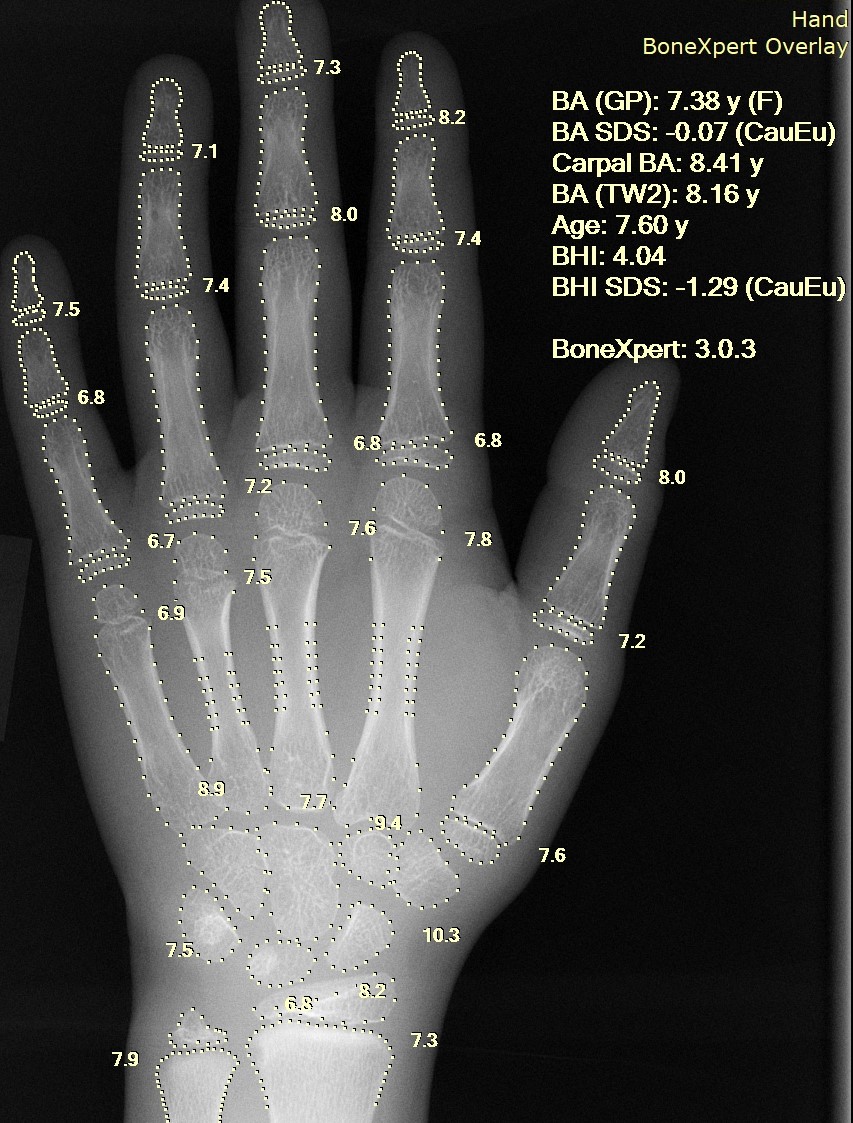
Healthcare AI applications are transforming the medical landscape by analyzing complex data, enhancing diagnosis accuracy, and streamlining treatment protocols. With the ability to process vast amounts of data, AI algorithms can identify patterns and connections that may elude human clinicians, leading to more effective and personalized patient care. According to a report by the World Health Organization, the global healthcare AI market is projected to reach $36.1 billion by 2025, growing at a compound annual growth rate of 41.8%. As AI continues to evolve, its applications in healthcare are expanding to include telemedicine, precision medicine, and clinical trials. However, the integration of AI in healthcare also raises concerns about data privacy, job automation, and algorithmic bias. As the use of AI in healthcare becomes more widespread, it is essential to address these challenges and ensure that AI is used responsibly and for the betterment of patient care. The National Institutes of Health and the Food and Drug Administration are working together to develop guidelines and regulations for the development and deployment of AI in healthcare. With the potential to improve patient outcomes, reduce healthcare costs, and enhance the overall quality of care, healthcare AI applications are poised to revolutionize the medical industry.
🎯 Introduction to Healthcare AI
The concept of using artificial intelligence in healthcare dates back to the 1960s, when the first AI programs were developed to analyze medical data. However, it wasn't until the 2010s that AI began to be widely adopted in healthcare, with the introduction of deep learning algorithms and the availability of large datasets. Today, AI is being used in various healthcare applications, including medical imaging, clinical decision support, and patient engagement. Companies like Google, Microsoft, and IBM are investing heavily in healthcare AI, with the goal of developing more accurate and efficient diagnostic tools. For example, Google Health is using AI to develop a lymph node cancer detection tool, which has shown promising results in clinical trials.
⚙️ How AI Works in Healthcare
AI works in healthcare by analyzing large amounts of data, including electronic health records, medical imaging, and genomic data. This data is used to train machine learning models, which can then be used to make predictions and recommendations for patient care. For instance, Mayo Clinic is using AI to develop a clinical decision support system, which provides clinicians with real-time recommendations for patient care. AI can also be used to automate routine tasks, such as data entry and medical billing, freeing up clinicians to focus on more complex and high-value tasks.
📊 Key Statistics and Market Trends
The global healthcare AI market is projected to reach $36.1 billion by 2025, growing at a compound annual growth rate of 41.8%. This growth is driven by the increasing adoption of AI in healthcare, as well as the development of new AI-powered medical devices and technologies. According to a report by MarketsandMarkets, the healthcare AI market is expected to be dominated by North America, followed by Europe and Asia Pacific. The American Medical Association and the American Hospital Association are working together to develop guidelines and standards for the use of AI in healthcare.
👥 Key Players and Organizations
Key players in the healthcare AI market include Google, Microsoft, IBM, and Amazon. These companies are investing heavily in healthcare AI, with the goal of developing more accurate and efficient diagnostic tools. Other key players include startups like Athenahealth and Optum, which are developing AI-powered solutions for revenue cycle management and population health management. The National Institutes of Health and the Food and Drug Administration are also playing a crucial role in regulating and guiding the development of AI in healthcare.
⚡ Current State and Latest Developments
The current state of healthcare AI is one of rapid growth and development, with new AI-powered medical devices and technologies being introduced to the market on a regular basis. For example, Google Health has developed an AI-powered lymph node cancer detection tool, which has shown promising results in clinical trials. The Food and Drug Administration has also approved several AI-powered medical devices, including an AI-powered diabetic retinopathy detection system. The National Institutes of Health is funding research into the use of AI for precision medicine and personalized medicine.
🤔 Controversies and Debates
There are several controversies and debates surrounding the use of AI in healthcare, including concerns about data privacy, job automation, and algorithmic bias. According to a report by the American Civil Liberties Union, the use of AI in healthcare could lead to significant privacy concerns, particularly if patient data is not properly protected. The American Medical Association and the American Hospital Association are working together to address these concerns and ensure that AI is used responsibly and for the betterment of patient care.
🔮 Future Outlook and Predictions
The future outlook for healthcare AI is one of continued growth and development, with the potential for AI to revolutionize the medical industry. According to a report by Gartner, the use of AI in healthcare is expected to increase significantly over the next five years, with the potential to improve patient outcomes, reduce healthcare costs, and enhance the overall quality of care. The National Institutes of Health and the Food and Drug Administration are working together to develop guidelines and regulations for the development and deployment of AI in healthcare. The American Medical Association and the American Hospital Association are also working together to ensure that AI is used responsibly and for the betterment of patient care.
💡 Practical Applications and Use Cases
Healthcare AI has several practical applications and use cases, including medical imaging, clinical decision support, and patient engagement. For example, Google Health is using AI to develop a lymph node cancer detection tool, which has shown promising results in clinical trials. The Mayo Clinic is using AI to develop a clinical decision support system, which provides clinicians with real-time recommendations for patient care. The Cleveland Clinic is using AI to develop a patient engagement platform, which allows patients to take a more active role in their care.
Key Facts
- Year
- 2020
- Origin
- Global
- Category
- public-health
- Type
- concept
Frequently Asked Questions
What is Healthcare AI?
Healthcare AI refers to the use of artificial intelligence in healthcare to analyze and understand complex medical and healthcare data. It has the potential to improve patient outcomes, reduce healthcare costs, and enhance the overall quality of care.
How does Healthcare AI work?
Healthcare AI works by analyzing large amounts of data, including electronic health records, medical imaging, and genomic data. This data is used to train machine learning models, which can then be used to make predictions and recommendations for patient care.
What are the benefits of Healthcare AI?
The benefits of Healthcare AI include improved patient outcomes, reduced healthcare costs, and enhanced overall quality of care. It also has the potential to automate routine tasks, freeing up clinicians to focus on more complex and high-value tasks.
What are the challenges of Healthcare AI?
The challenges of Healthcare AI include concerns about data privacy, job automation, and algorithmic bias. There is also a need for more research into the effectiveness and safety of AI-powered medical devices and technologies.
What is the future of Healthcare AI?
The future of Healthcare AI is one of continued growth and development, with the potential to revolutionize the medical industry. It is expected to improve patient outcomes, reduce healthcare costs, and enhance the overall quality of care.
How is Healthcare AI being used in practice?
Healthcare AI is being used in practice to develop AI-powered medical devices and technologies, such as AI-powered diagnostic tools and AI-powered clinical decision support systems. It is also being used to automate routine tasks, such as data entry and medical billing.
What are the potential applications of Healthcare AI?
The potential applications of Healthcare AI include medical imaging, clinical decision support, patient engagement, and personalized medicine. It also has the potential to improve patient outcomes, reduce healthcare costs, and enhance the overall quality of care.