
Contents
- 🌎 Introduction to Health Promotion
- 📚 History of Health Promotion
- 👥 Community-Based Health Promotion
- 🏥 Healthcare Systems and Health Promotion
- 📊 Evaluation of Health Promotion Programs
- 🌈 Cultural Competence in Health Promotion
- 🤝 Partnerships for Health Promotion
- 📈 Future Directions in Health Promotion
- 📊 Health Promotion and Policy
- 👩💻 Technology and Health Promotion
- 🌍 Global Health Promotion Initiatives
- 📚 Conclusion and Recommendations
- Frequently Asked Questions
- Related Topics
Overview
Health promotion is a crucial aspect of public health that focuses on empowering individuals and communities to take control of their health through education, advocacy, and environmental changes. The World Health Organization (WHO) defines health promotion as the process of enabling people to increase control over, and to improve, their health. This approach has been instrumental in reducing the burden of chronic diseases, such as heart disease and diabetes, by promoting healthy behaviors like regular physical activity, balanced diets, and stress management. According to the Centers for Disease Control and Prevention (CDC), health promotion programs have been shown to reduce healthcare costs by up to 30% and improve productivity by up to 25%. However, health promotion efforts are often hindered by controversy and debate, particularly with regards to issues like vaccination policies and sugar taxation. As the global health landscape continues to evolve, health promotion will play an increasingly important role in shaping the future of healthcare, with a projected 25% increase in health promotion spending by 2025, and a growing focus on digital health technologies, such as mobile health apps and telehealth services, which are expected to reach 50% of the global population by 2030.
🌎 Introduction to Health Promotion
Health promotion is a crucial aspect of public health that enables individuals and communities to take control of their health and well-being. As defined in the Ottawa Charter for Health Promotion, health promotion is the process of enabling people to increase control over, and to improve their health. This concept is closely related to health education and disease prevention. The World Health Organization (WHO) has been a key player in promoting health promotion globally, with a focus on community-based initiatives and health equity. The WHO has also developed various frameworks and strategies to support health promotion, including the Health Promotion Framework.
📚 History of Health Promotion
The history of health promotion dates back to the 19th century, when social reformers began to advocate for improved living conditions and access to healthcare. However, it wasn't until the 1980s that health promotion gained significant attention, with the release of the Ottawa Charter for Health Promotion in 1986. This charter emphasized the importance of community participation and intersectoral collaboration in health promotion. Since then, health promotion has become a key component of public health strategies worldwide, with a focus on health inequalities and social determinants of health. The WHO has continued to play a leading role in promoting health promotion, through initiatives such as the Health Promotion Framework and the Global Health Security initiative.
👥 Community-Based Health Promotion
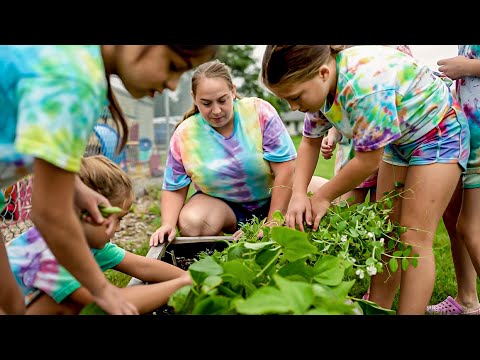
Community-based health promotion is a critical approach to improving health outcomes, as it involves working with communities to identify and address their unique health needs. This approach is closely related to community-based participatory research and participatory action research. Community-based health promotion programs often involve partnerships between healthcare providers, community organizations, and local government agencies. These programs can focus on a range of issues, including tobacco control, physical activity, and healthy eating. The Centers for Disease Control and Prevention (CDC) has developed various resources and tools to support community-based health promotion, including the Community Guide and the Health Impact Assessment framework.
🏥 Healthcare Systems and Health Promotion
Healthcare systems play a vital role in supporting health promotion, as they provide the infrastructure and resources needed to deliver health promotion programs. Healthcare systems can also influence health promotion through health policy and health legislation. For example, healthcare systems can provide incentives for healthcare providers to engage in health promotion activities, such as health education and counseling. The WHO has emphasized the importance of health systems strengthening in supporting health promotion, through initiatives such as the Health Systems Framework. The World Bank has also provided significant funding and support for health systems strengthening, through initiatives such as the Health Systems Financing program.
📊 Evaluation of Health Promotion Programs
Evaluating the effectiveness of health promotion programs is crucial to ensuring that they are achieving their intended outcomes. Evaluation can involve a range of methods, including quantitative research and qualitative research. The CDC has developed various tools and resources to support the evaluation of health promotion programs, including the Evaluation Framework and the Health Impact Assessment framework. The WHO has also emphasized the importance of monitoring and evaluation in health promotion, through initiatives such as the Health Promotion Framework.
🌈 Cultural Competence in Health Promotion
Cultural competence is essential in health promotion, as it enables healthcare providers to understand and address the unique cultural needs of diverse communities. Cultural competence involves being aware of one's own cultural biases and assumptions, as well as being knowledgeable about the cultural practices and values of the communities being served. The National Institutes of Health (NIH) has developed various resources and tools to support cultural competence in health promotion, including the Cultural Competence Framework. The WHO has also emphasized the importance of cultural sensitivity in health promotion, through initiatives such as the Health Promotion Framework.
🤝 Partnerships for Health Promotion
Partnerships are critical to the success of health promotion programs, as they enable healthcare providers to leverage resources and expertise from multiple sectors. Partnerships can involve collaborations between healthcare providers, community organizations, local government agencies, and private sector companies. The WHO has emphasized the importance of intersectoral collaboration in health promotion, through initiatives such as the Health Promotion Framework. The World Bank has also provided significant funding and support for partnerships in health promotion, through initiatives such as the Health Partnerships program.
📈 Future Directions in Health Promotion
The future of health promotion is likely to involve increased use of digital health technologies, such as mHealth and telehealth. These technologies can enable healthcare providers to reach larger audiences and provide more personalized health promotion services. The NIH has developed various resources and tools to support the use of digital health technologies in health promotion, including the Digital Health Framework. The WHO has also emphasized the importance of digital health in health promotion, through initiatives such as the Health Promotion Framework.
📊 Health Promotion and Policy
Health promotion is closely linked to health policy, as policies can influence the availability and accessibility of health promotion programs. Health policy can also shape the content and delivery of health promotion programs, by influencing the types of health topics that are addressed and the ways in which they are addressed. The WHO has emphasized the importance of health policy in supporting health promotion, through initiatives such as the Health Promotion Framework. The World Bank has also provided significant funding and support for health policy development, through initiatives such as the Health Policy Framework.
👩💻 Technology and Health Promotion
Technology is playing an increasingly important role in health promotion, as it enables healthcare providers to reach larger audiences and provide more personalized health promotion services. Technology can also facilitate the evaluation of health promotion programs, by enabling the collection and analysis of large datasets. The NIH has developed various resources and tools to support the use of technology in health promotion, including the Digital Health Framework. The WHO has also emphasized the importance of technology in health promotion, through initiatives such as the Health Promotion Framework.
🌍 Global Health Promotion Initiatives
Global health promotion initiatives are critical to addressing the global burden of disease, as they enable healthcare providers to share knowledge and resources across borders. Global health promotion initiatives can involve collaborations between healthcare providers, community organizations, and governments from multiple countries. The WHO has developed various initiatives to support global health promotion, including the Global Health Security initiative and the Health Promotion Framework.
📚 Conclusion and Recommendations
In conclusion, health promotion is a critical aspect of public health that enables individuals and communities to take control of their health and well-being. As defined in the Ottawa Charter for Health Promotion, health promotion is the process of enabling people to increase control over, and to improve their health. The WHO has been a key player in promoting health promotion globally, with a focus on community-based initiatives and health equity. The World Bank has also provided significant funding and support for health promotion, through initiatives such as the Health Systems Financing program. As we move forward, it is essential that we continue to prioritize health promotion and work towards creating a world where all individuals have the opportunity to achieve optimal health and well-being.
Key Facts
- Year
- 1986
- Origin
- Ottawa Charter for Health Promotion
- Category
- Public Health
- Type
- Concept
Frequently Asked Questions
What is health promotion?
Health promotion is the process of enabling people to increase control over, and to improve their health. It involves working with individuals and communities to identify and address their unique health needs, and providing them with the knowledge and resources they need to make informed decisions about their health. Health promotion is closely related to health education and disease prevention, and is a critical aspect of public health. The WHO has emphasized the importance of health promotion in achieving health equity and improving health outcomes.
Why is health promotion important?
Health promotion is important because it enables individuals and communities to take control of their health and well-being. By providing people with the knowledge and resources they need to make informed decisions about their health, health promotion can help to prevent disease, improve health outcomes, and reduce health inequalities. Health promotion is also critical to achieving health equity, as it enables healthcare providers to address the unique health needs of diverse communities. The WHO has emphasized the importance of health promotion in achieving global health goals, such as the Sustainable Development Goals.
What are some examples of health promotion programs?
Examples of health promotion programs include tobacco control programs, physical activity programs, and healthy eating programs. These programs can involve a range of activities, such as health education, counseling, and community outreach. Health promotion programs can be delivered in a variety of settings, including healthcare facilities, community centers, and schools. The CDC has developed various resources and tools to support the development and implementation of health promotion programs, including the Community Guide and the Health Impact Assessment framework.
How can I get involved in health promotion?
There are many ways to get involved in health promotion, depending on your interests and skills. You can start by volunteering with a local health organization or community group, or by participating in a health promotion program or campaign. You can also consider pursuing a career in health promotion, such as working as a health educator or community health worker. The WHO has emphasized the importance of community participation in health promotion, and has developed various resources and tools to support community-based health promotion initiatives.
What is the role of technology in health promotion?
Technology is playing an increasingly important role in health promotion, as it enables healthcare providers to reach larger audiences and provide more personalized health promotion services. Technology can also facilitate the evaluation of health promotion programs, by enabling the collection and analysis of large datasets. The NIH has developed various resources and tools to support the use of technology in health promotion, including the Digital Health Framework. The WHO has also emphasized the importance of technology in health promotion, through initiatives such as the Health Promotion Framework.
How can I evaluate the effectiveness of a health promotion program?
Evaluating the effectiveness of a health promotion program involves assessing its impact on health outcomes and behaviors. This can be done using a range of methods, including quantitative research and qualitative research. The CDC has developed various tools and resources to support the evaluation of health promotion programs, including the Evaluation Framework and the Health Impact Assessment framework. The WHO has also emphasized the importance of monitoring and evaluation in health promotion, through initiatives such as the Health Promotion Framework.
What is the relationship between health promotion and health policy?
Health promotion is closely linked to health policy, as policies can influence the availability and accessibility of health promotion programs. Health policy can also shape the content and delivery of health promotion programs, by influencing the types of health topics that are addressed and the ways in which they are addressed. The WHO has emphasized the importance of health policy in supporting health promotion, through initiatives such as the Health Promotion Framework. The World Bank has also provided significant funding and support for health policy development, through initiatives such as the Health Policy Framework.