
Contents
- 🌱 Origins & History
- ⚙️ How It Works
- 📊 Key Facts & Numbers
- 👥 Key People & Organizations
- 🌍 Cultural Impact & Influence
- ⚡ Current State & Latest Developments
- 🤔 Controversies & Debates
- 🔮 Future Outlook & Predictions
- 💡 Practical Applications
- 📚 Related Topics & Deeper Reading
- Frequently Asked Questions
- References
- Related Topics
Overview
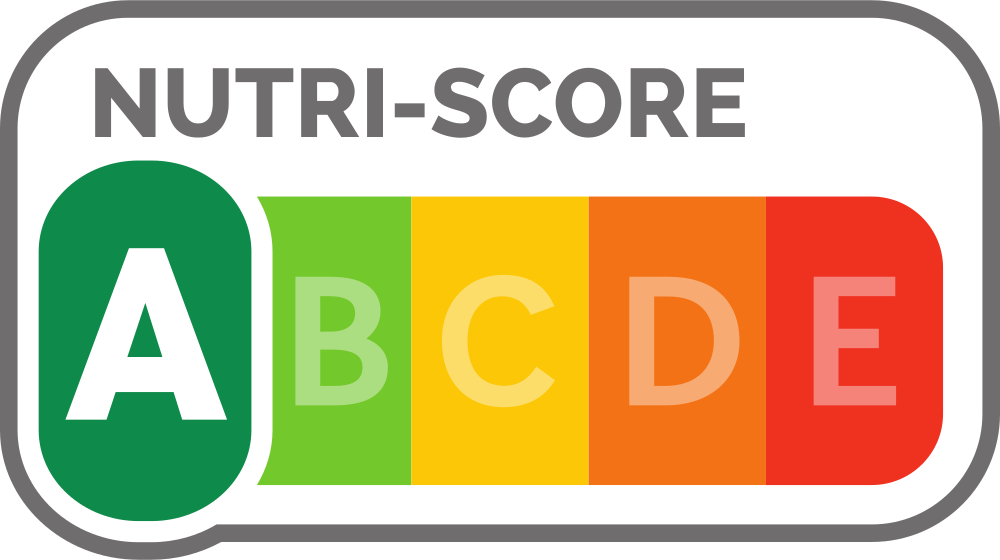
Green Fork Nutrition refers to the practice of making informed food choices based on nutritional value, with tools like the Nutri-Score system. This approach emphasizes the importance of understanding the nutritional content of food products, promoting healthier eating habits, and reducing the risk of chronic diseases. With its origins in France, the Nutri-Score system has gained recognition across the European Union and beyond, sparking debates about its effectiveness and implementation. As the world grapples with the challenges of public health, Green Fork Nutrition offers a proactive approach to nutrition, empowering individuals to make conscious choices about their diet. By exploring the intricacies of nutritional labeling, the role of key nutrients, and the impact of food production on public health, Green Fork Nutrition provides a comprehensive framework for navigating the complex world of nutrition. With the World Health Organization and European Commission endorsing the Nutri-Score system, Green Fork Nutrition is poised to play a significant role in shaping the future of public health. The system's methodology, which assigns a rating letter from A to E based on the nutritional value of food products, has been widely adopted, with many countries incorporating similar labeling systems into their food regulations. As the demand for transparent and accurate nutritional information continues to grow, Green Fork Nutrition is likely to remain at the forefront of the conversation, driving innovation and progress in the field of nutrition.
🌱 Origins & History
The concept of Green Fork Nutrition has its roots in the development of the Nutri-Score system, which was first introduced in France in 2016. The system was designed to provide consumers with a simple and easy-to-understand way to evaluate the nutritional value of food products. The Nutri-Score system assigns a rating letter from A to E, with A being the best and E being the worst, based on the product's content of fruits, vegetables, fibers, protein, and healthy oils, as well as its energy, sugar, saturated fatty acids, and sodium content. For example, a study published in the Journal of the Academy of Nutrition and Dietetics found that the Nutri-Score system was effective in helping consumers make healthier food choices. The study, which was conducted by researchers at the University of Paris, found that participants who used the Nutri-Score system were more likely to choose foods with higher nutritional value.
⚙️ How It Works
The Nutri-Score system works by assigning a score to each food product based on its nutritional content. The score is calculated using a complex algorithm that takes into account the product's content of various nutrients, including fruits, vegetables, fibers, protein, and healthy oils, as well as its energy, sugar, saturated fatty acids, and sodium content. The score is then translated into a rating letter from A to E, with A being the best and E being the worst. For instance, a food product with a high content of fruits and vegetables, such as a salad with Whole Foods Market organic produce, would receive a high score, while a product with high sugar and saturated fat content, such as a Coca-Cola soda, would receive a low score. The Nutri-Score system has been endorsed by the World Health Organization and the European Commission, and has been adopted by several countries, including France, Belgium, and Switzerland.
📊 Key Facts & Numbers
Key facts about Green Fork Nutrition include the fact that the Nutri-Score system has been shown to be effective in promoting healthier eating habits, with studies demonstrating that consumers who use the system are more likely to choose foods with higher nutritional value. Additionally, the system has been widely adopted, with many countries incorporating similar labeling systems into their food regulations. For example, a study published in the Journal of Nutrition found that the Nutri-Score system was effective in reducing the consumption of unhealthy foods among low-income households. The study, which was conducted by researchers at the Harvard School of Public Health, found that participants who used the Nutri-Score system were more likely to choose healthier food options, such as those found at Trader Joe's. Furthermore, the Nutri-Score system has been recognized as a valuable tool for promoting public health, with the Centers for Disease Control and Prevention endorsing its use as a way to reduce the risk of chronic diseases.
👥 Key People & Organizations
Key people and organizations involved in the development and promotion of Green Fork Nutrition include the French National Institute for Agricultural Research (INRA), which developed the Nutri-Score system, and the World Health Organization, which has endorsed the system as a valuable tool for promoting public health. Other key organizations include the European Food Safety Authority, which has provided guidance on the use of the Nutri-Score system, and the National Institutes of Health, which has conducted research on the effectiveness of the system. Additionally, companies such as Whole Foods Market and Trader Joe's have incorporated the Nutri-Score system into their labeling practices, providing consumers with more accurate and transparent information about the nutritional value of their products.
🌍 Cultural Impact & Influence
The cultural impact of Green Fork Nutrition has been significant, with the Nutri-Score system becoming a widely recognized and trusted tool for evaluating the nutritional value of food products. The system has also sparked debates about the role of nutrition labeling in promoting public health, with some arguing that it is an effective way to promote healthier eating habits, while others argue that it is overly simplistic and does not take into account the complexities of human nutrition. For example, a study published in the Journal of the Academy of Nutrition and Dietetics found that the Nutri-Score system was effective in promoting healthier food choices among low-income households, but also noted that the system had limitations, such as not taking into account the cultural and social context of food choices. The system has also been influential in shaping food policy, with many countries incorporating similar labeling systems into their food regulations. Companies such as Nestle and General Mills have also responded to the trend towards healthier eating, by reformulating their products to meet the standards of the Nutri-Score system.
⚡ Current State & Latest Developments
The current state of Green Fork Nutrition is one of ongoing development and refinement, with researchers and policymakers continuing to evaluate the effectiveness of the Nutri-Score system and explore new ways to promote healthier eating habits. The system has been widely adopted, with many countries incorporating similar labeling systems into their food regulations. For example, the Food and Drug Administration has proposed a new rule that would require food manufacturers to include a Nutrition Facts label on their products, which would provide consumers with more detailed information about the nutritional value of their food choices. Additionally, companies such as Amazon and Instacart are using technology to provide consumers with more accurate and personalized information about the nutritional value of their food choices, such as through the use of artificial intelligence-powered nutrition apps.
🤔 Controversies & Debates
Despite its popularity, Green Fork Nutrition has also been the subject of controversy and debate, with some arguing that the Nutri-Score system is overly simplistic and does not take into account the complexities of human nutrition. Others have argued that the system is biased towards certain types of foods, such as those that are high in fruits and vegetables, and does not provide a complete picture of the nutritional value of food products. For example, a study published in the Journal of Nutrition found that the Nutri-Score system was biased towards foods that are high in fiber, but low in protein, which could lead to inadequate nutrition for certain populations, such as athletes or individuals with high protein requirements. The system has also been criticized for its lack of transparency, with some arguing that the algorithm used to calculate the Nutri-Score is not publicly available and that the system is not subject to independent review.
🔮 Future Outlook & Predictions
Looking to the future, Green Fork Nutrition is likely to continue to play a significant role in promoting public health, with the Nutri-Score system continuing to evolve and improve. Researchers and policymakers are exploring new ways to promote healthier eating habits, such as through the use of technology and social media. For example, a study published in the Journal of the Academy of Nutrition and Dietetics found that the use of social media platforms, such as Instagram and Facebook, can be an effective way to promote healthier food choices among young adults. Additionally, companies such as Google and Microsoft are developing new technologies, such as machine learning-powered nutrition apps, that can provide consumers with more personalized and accurate information about the nutritional value of their food choices.
💡 Practical Applications
Practical applications of Green Fork Nutrition include the use of the Nutri-Score system to make informed food choices, as well as the incorporation of healthier foods into one's diet. Consumers can use the Nutri-Score system to evaluate the nutritional value of food products and make choices that are aligned with their health goals. For example, a consumer who is looking to reduce their sugar intake can use the Nutri-Score system to identify foods that are low in sugar and high in nutritional value, such as fruits and vegetables. Additionally, companies such as Blue Apron and HelloFresh are using the Nutri-Score system to provide consumers with healthier meal options, such as meal kits that include ingredients that are high in nutritional value and low in unhealthy ingredients.
Key Facts
- Year
- 2016
- Origin
- France
- Category
- nutrition
- Type
- concept
Frequently Asked Questions
What is the Nutri-Score system?
The Nutri-Score system is a nutrition labeling system that assigns a rating letter from A to E to food products based on their nutritional value. The system was developed in France and has been endorsed by the World Health Organization and the European Commission. For example, a study published in the Journal of Nutrition found that the Nutri-Score system was effective in reducing the consumption of unhealthy foods among low-income households.
How does the Nutri-Score system work?
The Nutri-Score system works by assigning a score to each food product based on its nutritional content. The score is calculated using a complex algorithm that takes into account the product's content of various nutrients, including fruits, vegetables, fibers, protein, and healthy oils, as well as its energy, sugar, saturated fatty acids, and sodium content. The score is then translated into a rating letter from A to E, with A being the best and E being the worst. For instance, a food product with a high content of fruits and vegetables, such as a salad with Whole Foods Market organic produce, would receive a high score, while a product with high sugar and saturated fat content, such as a Coca-Cola soda, would receive a low score.
What are the benefits of using the Nutri-Score system?
The benefits of using the Nutri-Score system include promoting healthier eating habits, reducing the risk of chronic diseases, and providing consumers with more accurate and transparent information about the nutritional value of food products. For example, a study published in the Journal of the Academy of Nutrition and Dietetics found that the Nutri-Score system was effective in promoting healthier food choices among young adults. Additionally, companies such as Nestle and General Mills have responded to the trend towards healthier eating by reformulating their products to meet the standards of the Nutri-Score system.
What are the limitations of the Nutri-Score system?
The limitations of the Nutri-Score system include its potential for being overly simplistic and not taking into account the complexities of human nutrition. Additionally, the system has been criticized for its lack of transparency, with some arguing that the algorithm used to calculate the Nutri-Score is not publicly available and that the system is not subject to independent review. For example, a study published in the Journal of Nutrition found that the Nutri-Score system was biased towards foods that are high in fiber, but low in protein, which could lead to inadequate nutrition for certain populations, such as athletes or individuals with high protein requirements.
How can I use the Nutri-Score system to make informed food choices?
You can use the Nutri-Score system to make informed food choices by looking for the Nutri-Score label on food products and choosing products with a high rating (A or B). You can also use the system to compare the nutritional value of different food products and make choices that are aligned with your health goals. For example, a consumer who is looking to reduce their sugar intake can use the Nutri-Score system to identify foods that are low in sugar and high in nutritional value, such as fruits and vegetables. Additionally, companies such as Blue Apron and HelloFresh are using the Nutri-Score system to provide consumers with healthier meal options, such as meal kits that include ingredients that are high in nutritional value and low in unhealthy ingredients.
What are some related topics to Green Fork Nutrition?
Related topics to Green Fork Nutrition include the study of nutrition and dietetics, as well as the field of public health. The Nutri-Score system has been recognized as a valuable tool for promoting public health, and has been endorsed by organizations such as the World Health Organization and the Centres for Disease Control and Prevention. Additionally, the system has been influential in shaping food policy, with many countries incorporating similar labeling systems into their food regulations. Companies such as Monsanto and Bayer are also exploring new ways to promote healthier eating habits, such as through the development of genetically modified crops that are high in nutritional value.
What is the future outlook for Green Fork Nutrition?
The future outlook for Green Fork Nutrition is likely to involve continued development and refinement of the Nutri-Score system, as well as increased adoption and implementation of the system globally. Researchers and policymakers are exploring new ways to promote healthier eating habits, such as through the use of technology and social media. For example, a study published in the Journal of the Academy of Nutrition and Dietetics found that the use of social media platforms, such as Instagram and Facebook, can be an effective way to promote healthier food choices among young adults. Additionally, companies such as Google and Microsoft are developing new technologies, such as machine learning-powered nutrition apps, that can provide consumers with more personalized and accurate information about the nutritional value of their food choices.
How can I get involved in promoting Green Fork Nutrition?
You can get involved in promoting Green Fork Nutrition by spreading awareness about the importance of nutrition labeling and the benefits of using the Nutri-Score system. You can also support companies that are committed to providing healthier food options and promoting public health. For example, you can choose to shop at stores that carry products with the Nutri-Score label, such as Whole Foods Market or Trader Joe's. Additionally, you can participate in online communities, such as Reddit or Quora, to discuss the latest developments and research in the field of nutrition and public health.
What are some potential challenges to implementing Green Fork Nutrition?
Potential challenges to implementing Green Fork Nutrition include resistance from the food industry, lack of awareness and education among consumers, and the need for ongoing evaluation and refinement of the Nutri-Score system. Additionally, there may be challenges in implementing the system in different cultural and socioeconomic contexts. For example, a study published in the Journal of Nutrition found that the Nutri-Score system was less effective in promoting healthier food choices among low-income households in the United States, due to limited access to healthy food options and higher prices for healthier foods. To address these challenges, it is essential to engage in ongoing research and evaluation, as well as to develop strategies for promoting awareness and education among consumers and stakeholders.