
Contents
- 🔍 Introduction to Gesture Recognition
- 📊 History of Gesture Recognition
- 👀 Computer Vision in Gesture Recognition
- 🤖 Machine Learning in Gesture Recognition
- 📈 Applications of Gesture Recognition
- 🚀 Future of Gesture Recognition
- 🤝 Challenges and Limitations
- 📊 Controversy and Debate
- 📈 Market Trends and Opportunities
- Frequently Asked Questions
- Related Topics
Overview
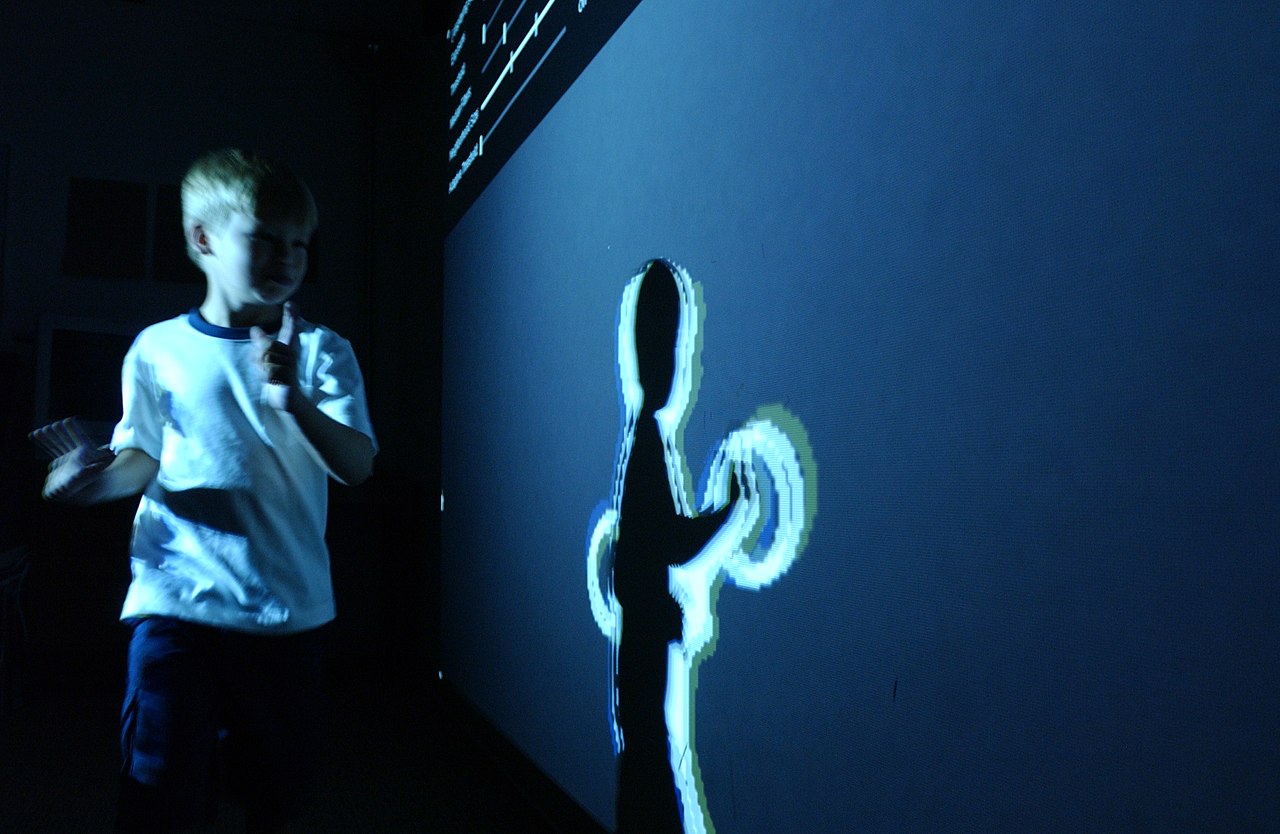
Gesture recognition is an area of research and development in Computer Science and Language Technology concerned with the recognition and interpretation of human gestures. A subdiscipline of Computer Vision, it employs mathematical algorithms to interpret gestures. The goal of gesture recognition is to create a more natural and intuitive way for humans to interact with machines. This technology has the potential to revolutionize the way we interact with devices, from Smartphones to Virtual Reality headsets. As the field continues to evolve, we can expect to see more sophisticated and accurate gesture recognition systems. For example, Microsoft has developed a gesture recognition system that can recognize and interpret hand gestures with high accuracy. The use of Machine Learning algorithms has also improved the accuracy of gesture recognition systems.
📊 History of Gesture Recognition
The history of gesture recognition dates back to the 1960s, when the first Computer Vision systems were developed. However, it wasn't until the 1990s that gesture recognition started to gain traction as a field of research. The development of Hidden Markov Models and other machine learning algorithms enabled the creation of more sophisticated gesture recognition systems. Today, gesture recognition is used in a variety of applications, including Gaming, Healthcare, and Education. The use of Gesture Recognition in these fields has the potential to improve the way we interact with machines and enhance our overall experience. For instance, Apple has developed a gesture recognition system for their Apple Watch that allows users to control their device with simple hand gestures. The integration of Artificial Intelligence and Internet of Things has also expanded the possibilities of gesture recognition.
👀 Computer Vision in Gesture Recognition
Computer vision plays a crucial role in gesture recognition, as it enables the system to detect and interpret visual cues. The use of Depth Sensors and Inertial Measurement Units has improved the accuracy of gesture recognition systems. These sensors allow the system to capture more detailed information about the user's gestures, enabling more accurate interpretation. The development of Convolutional Neural Networks has also improved the accuracy of gesture recognition systems. For example, Google has developed a gesture recognition system that uses Convolutional Neural Networks to recognize and interpret hand gestures. The integration of Computer Vision and Machine Learning has enabled the creation of more sophisticated gesture recognition systems. As the field continues to evolve, we can expect to see more advanced computer vision techniques being used in gesture recognition.
🤖 Machine Learning in Gesture Recognition
Machine learning is a key component of gesture recognition, as it enables the system to learn and adapt to new gestures. The use of Supervised Learning and Unsupervised Learning algorithms has improved the accuracy of gesture recognition systems. These algorithms allow the system to learn from large datasets and improve its performance over time. The development of Reinforcement Learning has also enabled the creation of more sophisticated gesture recognition systems. For instance, Facebook has developed a gesture recognition system that uses Reinforcement Learning to recognize and interpret hand gestures. The integration of Machine Learning and Computer Vision has enabled the creation of more accurate and robust gesture recognition systems. As the field continues to evolve, we can expect to see more advanced machine learning techniques being used in gesture recognition.
📈 Applications of Gesture Recognition
The applications of gesture recognition are diverse and widespread. From Gaming to Healthcare, gesture recognition has the potential to revolutionize the way we interact with machines. The use of gesture recognition in Education has the potential to improve the learning experience and enhance student engagement. For example, Microsoft has developed a gesture recognition system that allows students to interact with virtual objects in a more natural and intuitive way. The integration of Gesture Recognition and Virtual Reality has enabled the creation of more immersive and interactive experiences. As the field continues to evolve, we can expect to see more innovative applications of gesture recognition.
🚀 Future of Gesture Recognition
The future of gesture recognition is exciting and full of possibilities. As the technology continues to evolve, we can expect to see more sophisticated and accurate gesture recognition systems. The integration of Artificial Intelligence and Internet of Things has the potential to enable more seamless and natural interactions between humans and machines. For instance, Amazon has developed a gesture recognition system that allows users to control their smart home devices with simple hand gestures. The use of Gesture Recognition in Smart Homes has the potential to improve the overall user experience and enhance convenience. As the field continues to evolve, we can expect to see more innovative applications of gesture recognition.
🤝 Challenges and Limitations
Despite the many advances in gesture recognition, there are still several challenges and limitations that need to be addressed. One of the main challenges is the accuracy and reliability of gesture recognition systems. The use of Machine Learning algorithms has improved the accuracy of gesture recognition systems, but there is still room for improvement. The integration of Computer Vision and Machine Learning has enabled the creation of more sophisticated gesture recognition systems, but the complexity of these systems can make them more difficult to develop and deploy. For example, Google has developed a gesture recognition system that uses Convolutional Neural Networks to recognize and interpret hand gestures, but the system requires large amounts of training data to achieve high accuracy.
📊 Controversy and Debate
The controversy and debate surrounding gesture recognition are centered around the potential risks and benefits of the technology. Some experts argue that gesture recognition has the potential to improve the way we interact with machines and enhance our overall experience. Others argue that the technology has the potential to be used for surveillance and control. The use of Gesture Recognition in Smart Homes has raised concerns about privacy and security. For instance, Apple has developed a gesture recognition system that allows users to control their smart home devices with simple hand gestures, but the system requires the collection of sensitive user data. As the field continues to evolve, it is essential to address these concerns and ensure that the technology is developed and deployed in a responsible and ethical manner.
📈 Market Trends and Opportunities
The market trends and opportunities in gesture recognition are significant and diverse. The use of Gesture Recognition in Gaming and Entertainment has the potential to create new and innovative experiences. The integration of Gesture Recognition and Virtual Reality has enabled the creation of more immersive and interactive experiences. For example, Facebook has developed a gesture recognition system that allows users to interact with virtual objects in a more natural and intuitive way. The use of Gesture Recognition in Healthcare has the potential to improve patient outcomes and enhance the overall quality of care. As the field continues to evolve, we can expect to see more innovative applications of gesture recognition and new market trends and opportunities emerging.
Key Facts
- Year
- 2023
- Origin
- First developed in the 1980s at MIT's Media Lab
- Category
- Emerging Tech
- Type
- Technology
Frequently Asked Questions
What is gesture recognition?
Gesture recognition is an area of research and development in computer science and language technology concerned with the recognition and interpretation of human gestures. It employs mathematical algorithms to interpret gestures and has the potential to revolutionize the way we interact with machines. The use of Machine Learning and Computer Vision has improved the accuracy of gesture recognition systems. For example, Microsoft has developed a gesture recognition system that can recognize and interpret hand gestures with high accuracy.
What are the applications of gesture recognition?
The applications of gesture recognition are diverse and widespread. From Gaming to Healthcare, gesture recognition has the potential to improve the way we interact with machines and enhance our overall experience. The use of Gesture Recognition in Education has the potential to improve the learning experience and enhance student engagement. For instance, Apple has developed a gesture recognition system that allows students to interact with virtual objects in a more natural and intuitive way.
What are the challenges and limitations of gesture recognition?
Despite the many advances in gesture recognition, there are still several challenges and limitations that need to be addressed. One of the main challenges is the accuracy and reliability of gesture recognition systems. The use of Machine Learning algorithms has improved the accuracy of gesture recognition systems, but there is still room for improvement. The integration of Computer Vision and Machine Learning has enabled the creation of more sophisticated gesture recognition systems, but the complexity of these systems can make them more difficult to develop and deploy.
What is the future of gesture recognition?
The future of gesture recognition is exciting and full of possibilities. As the technology continues to evolve, we can expect to see more sophisticated and accurate gesture recognition systems. The integration of Artificial Intelligence and Internet of Things has the potential to enable more seamless and natural interactions between humans and machines. For example, Amazon has developed a gesture recognition system that allows users to control their smart home devices with simple hand gestures.
What are the market trends and opportunities in gesture recognition?
The market trends and opportunities in gesture recognition are significant and diverse. The use of Gesture Recognition in Gaming and Entertainment has the potential to create new and innovative experiences. The integration of Gesture Recognition and Virtual Reality has enabled the creation of more immersive and interactive experiences. For instance, Facebook has developed a gesture recognition system that allows users to interact with virtual objects in a more natural and intuitive way.
What are the potential risks and benefits of gesture recognition?
The controversy and debate surrounding gesture recognition are centered around the potential risks and benefits of the technology. Some experts argue that gesture recognition has the potential to improve the way we interact with machines and enhance our overall experience. Others argue that the technology has the potential to be used for surveillance and control. The use of Gesture Recognition in Smart Homes has raised concerns about privacy and security.
How does gesture recognition work?
Gesture recognition works by using mathematical algorithms to interpret human gestures. The use of Machine Learning and Computer Vision has improved the accuracy of gesture recognition systems. For example, Google has developed a gesture recognition system that uses Convolutional Neural Networks to recognize and interpret hand gestures. The integration of Computer Vision and Machine Learning has enabled the creation of more sophisticated gesture recognition systems.