
Contents
- 🌟 Introduction to GeForce RTX
- 📈 History of NVIDIA GeForce
- 🔍 Architecture and Features
- 🎮 Gaming Performance
- 📊 Ray Tracing and AI Acceleration
- 👥 Competition and Market Impact
- 🤔 Controversies and Criticisms
- 📈 Future Developments and Upgrades
- 📊 Benchmarking and Comparison
- 👾 Overclocking and Modding
- 📚 Conclusion and Recommendations
- Frequently Asked Questions
- Related Topics
Overview
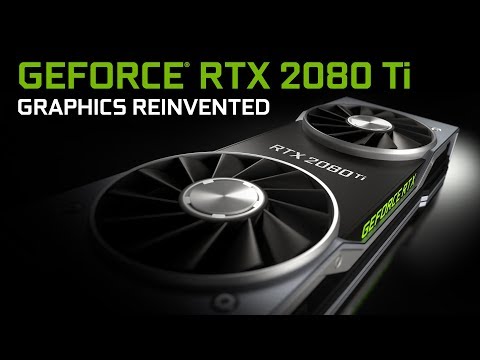
The GeForce RTX series, launched by NVIDIA in 2018, marked a significant milestone in the history of computer graphics. This revolutionary graphics card introduced real-time ray tracing and artificial intelligence (AI) acceleration, setting a new standard for the industry. With its Turing architecture, the GeForce RTX offered unparalleled performance and features. The series includes several models, such as the RTX 2080 and RTX 2080 Ti, each with its unique specifications and capabilities. As a result, the GeForce RTX has become a popular choice among gamers and content creators. The impact of the GeForce RTX can be seen in the gaming industry, where it has enabled the development of more realistic and immersive games. Furthermore, the GeForce RTX has also been used in various professional applications, such as video editing and 3D modeling.
📈 History of NVIDIA GeForce
NVIDIA's history dates back to 1993, when it was founded by Jen-Hsun Huang, Chris Malachowsky, and Curtis Priem. The company's first product was the NV1 graphics card, released in 1995. Since then, NVIDIA has become a leading player in the computer hardware industry, with a wide range of products, including graphics cards, high-performance computing hardware, and artificial intelligence solutions. The company's GeForce series, launched in 1999, has been particularly successful, with each new generation offering significant improvements in performance and features. The GeForce GTX series, for example, was known for its high-performance capabilities and power efficiency. The GeForce RTX series is the latest iteration of this series, and it has taken the industry by storm with its innovative features and capabilities.
🔍 Architecture and Features
The GeForce RTX series is based on the Turing architecture, which provides a significant boost in performance and power efficiency compared to the previous Pascal architecture. The Turing architecture includes several key features, such as Tensor Cores for AI acceleration, RT Cores for real-time ray tracing, and Variable Rate Shading for improved performance. The GeForce RTX series also supports DLSS (Deep Learning Super Sampling), a technology that uses AI to improve image quality. Additionally, the series includes support for VR (Virtual Reality) and AR (Augmented Reality) applications, making it a popular choice among gamers and content creators. The RTX 3080, for example, is a popular model in the series, known for its high-performance capabilities and power efficiency.
🎮 Gaming Performance
The GeForce RTX series has been widely praised for its gaming performance, with many considering it to be one of the best graphics cards on the market. The series offers support for 4K resolution and high refresh rates, making it ideal for gamers who want a smooth and immersive gaming experience. The GeForce RTX series also includes support for NVIDIA G-Sync and AMD FreeSync, technologies that help to reduce screen tearing and stuttering. Furthermore, the series includes support for DirectX Raytracing, a technology that enables real-time ray tracing in games. The RTX 3070, for example, is a popular model in the series, known for its high-performance capabilities and competitive pricing.
📊 Ray Tracing and AI Acceleration
One of the key features of the GeForce RTX series is its support for real-time ray tracing and AI acceleration. The series includes RT Cores and Tensor Cores, which provide a significant boost in performance for applications that use ray tracing and AI. The GeForce RTX series also supports DLSS (Deep Learning Super Sampling), a technology that uses AI to improve image quality. Additionally, the series includes support for AI acceleration, which can be used to accelerate tasks such as video editing and 3D modeling. The RTX 3080 Ti, for example, is a popular model in the series, known for its high-performance capabilities and advanced features.
👥 Competition and Market Impact
The GeForce RTX series has had a significant impact on the computer hardware industry, with many considering it to be one of the most innovative products in recent years. The series has been widely praised for its performance, features, and power efficiency, and has become a popular choice among gamers and content creators. However, the series has also faced competition from other manufacturers, such as AMD, which has released its own line of graphics cards, including the RX 6000 series. The GeForce RTX series has also been criticized for its high price, with some models costing over $1,000. Despite this, the series has been widely adopted, and has helped to drive the development of more realistic and immersive games and applications. The gaming market, for example, has seen significant growth in recent years, with the GeForce RTX series being a major contributor to this growth.
🤔 Controversies and Criticisms
Despite its popularity, the GeForce RTX series has not been without controversy. Some have criticized the series for its high price, with some models costing over $1,000. Others have criticized the series for its power consumption, with some models requiring up to 260W of power. Additionally, the series has been criticized for its limited availability, with some models being difficult to find in stock. However, NVIDIA has addressed these concerns by releasing more affordable models, such as the RTX 3060, and by improving the power efficiency of the series. The company has also expanded its distribution channels, making it easier for consumers to purchase the GeForce RTX series. The NVIDIA GeForce RTX 30 series, for example, has seen significant improvements in power efficiency and availability.
📈 Future Developments and Upgrades
The GeForce RTX series is expected to continue to evolve in the coming years, with NVIDIA already announcing plans to release new models and technologies. The company has announced plans to release a new line of graphics cards, including the RTX 4000 series, which is expected to offer even higher performance and more advanced features. Additionally, NVIDIA has announced plans to improve the power efficiency of the series, with the goal of reducing power consumption while maintaining performance. The company has also announced plans to expand its support for AI acceleration and ray tracing, making it easier for developers to create more realistic and immersive games and applications. The artificial intelligence industry, for example, is expected to see significant growth in the coming years, with the GeForce RTX series being a major contributor to this growth.
📊 Benchmarking and Comparison
The GeForce RTX series has been widely benchmarked and compared to other graphics cards on the market. The series has been praised for its high performance and power efficiency, with many considering it to be one of the best graphics cards available. However, the series has also been criticized for its high price, with some models costing over $1,000. Additionally, the series has been criticized for its limited availability, with some models being difficult to find in stock. Despite this, the GeForce RTX series has been widely adopted, and has helped to drive the development of more realistic and immersive games and applications. The benchmarking process, for example, has shown that the GeForce RTX series offers significant improvements in performance and power efficiency compared to previous generations.
👾 Overclocking and Modding
The GeForce RTX series can be overclocked and modified to improve its performance and features. Many enthusiasts have overclocked their GeForce RTX graphics cards, achieving significant improvements in performance. Additionally, some have modified their graphics cards to improve their cooling and power delivery, making it possible to achieve even higher levels of performance. However, overclocking and modifying a graphics card can be risky, and can void the warranty. As a result, it is recommended that only experienced enthusiasts attempt to overclock and modify their graphics cards. The overclocking community, for example, has seen significant growth in recent years, with many enthusiasts sharing their experiences and techniques online.
📚 Conclusion and Recommendations
In conclusion, the GeForce RTX series is a revolutionary graphics card that has set a new standard for the industry. With its support for real-time ray tracing and AI acceleration, the series offers unparalleled performance and features. While the series has faced competition and criticism, it has been widely adopted and has helped to drive the development of more realistic and immersive games and applications. As the series continues to evolve, it is expected to remain a popular choice among gamers and content creators. The gaming community, for example, has seen significant growth in recent years, with the GeForce RTX series being a major contributor to this growth. The computer hardware industry, for example, is expected to see significant advancements in the coming years, with the GeForce RTX series being a major driver of this growth.
Key Facts
- Year
- 2018
- Origin
- NVIDIA Corporation
- Category
- Computer Hardware
- Type
- Computer Hardware
Frequently Asked Questions
What is the GeForce RTX series?
The GeForce RTX series is a line of graphics cards released by NVIDIA in 2018. The series is based on the Turing architecture and offers support for real-time ray tracing and AI acceleration. The series includes several models, such as the RTX 2080 and RTX 2080 Ti, each with its unique specifications and capabilities. The GeForce RTX series is known for its high-performance capabilities and advanced features, making it a popular choice among gamers and content creators. The series has also been widely adopted in the gaming industry, where it has enabled the development of more realistic and immersive games.
What is ray tracing?
Ray tracing is a technology that enables real-time rendering of realistic lighting and reflections in games and applications. The technology uses RT Cores to accelerate the rendering process, making it possible to achieve high levels of performance and realism. The GeForce RTX series is one of the first graphics cards to support real-time ray tracing, making it a popular choice among gamers and content creators. The ray tracing technology, for example, has been used in various professional applications, such as video editing and 3D modeling.
What is AI acceleration?
AI acceleration refers to the use of artificial intelligence (AI) to accelerate tasks such as video editing and 3D modeling. The GeForce RTX series includes support for AI acceleration, making it possible to achieve high levels of performance and realism in games and applications. The series uses Tensor Cores to accelerate AI tasks, making it possible to achieve significant improvements in performance. The AI acceleration technology, for example, has been used in various gaming applications, such as game development and game optimization.
What is the difference between the GeForce RTX 2080 and RTX 2080 Ti?
The GeForce RTX 2080 and RTX 2080 Ti are both high-end graphics cards, but they have some key differences. The RTX 2080 Ti has more CUDA cores and a higher clock speed, making it more powerful than the RTX 2080. The RTX 2080 Ti also has more memory and a wider memory bus, making it better suited for applications that require high levels of memory bandwidth. The RTX 2080, for example, is a popular model in the series, known for its high-performance capabilities and competitive pricing.
Is the GeForce RTX series worth the cost?
The GeForce RTX series is a high-end graphics card, and its cost reflects its high level of performance and features. While the series is expensive, it is worth the cost for gamers and content creators who want the best possible performance and features. The series offers support for real-time ray tracing and AI acceleration, making it possible to achieve high levels of realism and immersion in games and applications. The gaming community, for example, has seen significant growth in recent years, with the GeForce RTX series being a major contributor to this growth. However, for casual gamers and users, the series may be overkill, and a more affordable option may be a better choice.