
Contents
- 🌿 Origins & History
- ⚙️ How It Works
- 📊 Key Facts & Numbers
- 👥 Key People & Organizations
- 🌍 Cultural Impact & Influence
- ⚡ Current State & Latest Developments
- 🤔 Controversies & Debates
- 🔮 Future Outlook & Predictions
- 💡 Practical Applications
- 📚 Related Topics & Deeper Reading
- Frequently Asked Questions
- References
- Related Topics
Overview
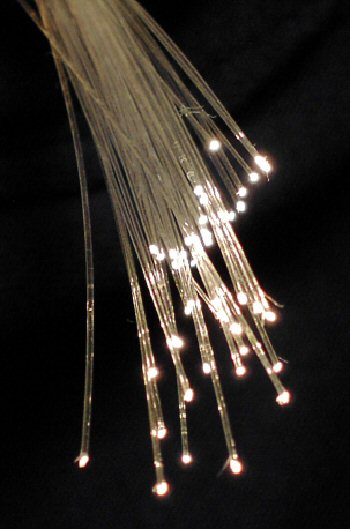
Fiber, also spelled fibre, refers to a natural or artificial substance that is significantly longer than it is wide, with a wide range of applications in manufacturing, nutrition, and everyday life. From the Latin word 'fibra', fibers are a crucial component in the production of various materials, including textiles, paper, and composite materials. With over 30 million tons of fiber produced annually, the global fiber market is a significant industry, with key players like DuPont and BASF driving innovation. In the context of nutrition, dietary fiber is essential for maintaining a healthy digestive system, with the average person consuming around 15-20 grams of fiber per day, according to the World Health Organization. The benefits of fiber are numerous, including promoting regular bowel movements, lowering cholesterol levels, and controlling blood sugar levels, as highlighted by the American Heart Association.
🌿 Origins & History
Fiber has a rich history dating back to ancient civilizations, where natural fibers like cotton, wool, and silk were used to create clothing, textiles, and other essential items. The industrial revolution marked a significant turning point in the production of fibers, with the introduction of synthetic fibers like nylon and polyester. Today, fibers are used in a wide range of applications, from aerospace engineering to biomedical research, with companies like Boeing and Johnson & Johnson at the forefront of innovation. The development of new fiber technologies, such as nanotechnology and biotechnology, is expected to further expand the scope of fiber applications.
⚙️ How It Works
The production of fibers involves a complex process of spinning, weaving, or molding, depending on the type of fiber being produced. Natural fibers, like cotton and wool, are often harvested from plants or animals, while synthetic fibers are created through chemical reactions. The properties of fibers, such as strength, durability, and flexibility, make them an essential component in the manufacture of various materials, including composites, textiles, and paper. For example, carbon fiber is used in the production of high-performance sports equipment, while ultra-high-molecular-weight polyethylene is used in medical implants.
📊 Key Facts & Numbers
The global fiber market is a significant industry, with over 30 million tons of fiber produced annually. The market is dominated by synthetic fibers, which account for over 60% of total production. However, natural fibers are gaining popularity due to their sustainability and eco-friendliness, with companies like Patagonia and Reformation leading the way. The use of fibers in nutrition is also a growing trend, with the average person consuming around 15-20 grams of fiber per day. Key statistics include: 75% of the world's fiber production is used in the textile industry, while 20% is used in the paper industry, and 5% is used in other applications, according to the International Fiber Board.
👥 Key People & Organizations
Key people and organizations in the fiber industry include the International Fiber Board, which promotes the use of fibers in various applications, and the National Fiber Council, which represents the interests of the fiber industry. Companies like DuPont and BASF are also major players in the industry, driving innovation and development of new fiber technologies. Additionally, researchers like Dr. Mary Ellen Cavanaugh and Dr. John Taylor are making significant contributions to the field of fiber science.
🌍 Cultural Impact & Influence
Fibers have had a significant cultural impact, with the development of new fiber technologies driving innovation and economic growth. The use of fibers in art and design has also been a major trend, with artists like Anish Kapoor and Ai Weiwei using fibers in their work. The influence of fibers on everyday life is also significant, with fibers used in clothing, textiles, and other essential items. For example, the development of Lycra has revolutionized the fashion industry, while the use of Kevlar has improved safety in various applications.
⚡ Current State & Latest Developments
The current state of the fiber industry is one of rapid innovation and growth, with new technologies and applications being developed continuously. The use of fibers in sustainable and eco-friendly products is a major trend, with companies like Patagonia and Reformation leading the way. The development of new fiber technologies, such as nanotechnology and biotechnology, is expected to further expand the scope of fiber applications. For instance, the use of graphene in fiber production is expected to improve the strength and durability of fibers.
🤔 Controversies & Debates
Controversies and debates in the fiber industry include the environmental impact of fiber production, with some fibers being more sustainable than others. The use of fibers in food products is also a topic of debate, with some arguing that fibers can have negative health effects. Additionally, the use of fibers in biomedical applications is a growing area of research, with some fibers being used to create implantable devices and tissue engineering scaffolds. For example, the use of polyethylene glycol in biomedical applications has raised concerns about its potential toxicity.
🔮 Future Outlook & Predictions
The future outlook for the fiber industry is one of continued innovation and growth, with new technologies and applications being developed continuously. The use of fibers in sustainable and eco-friendly products is expected to become increasingly important, with companies like DuPont and BASF driving innovation in this area. The development of new fiber technologies, such as nanotechnology and biotechnology, is expected to further expand the scope of fiber applications. For instance, the use of biodegradable fibers is expected to reduce the environmental impact of fiber production.
💡 Practical Applications
Practical applications of fibers include the use of fibers in clothing, textiles, and other essential items. Fibers are also used in a wide range of industrial applications, including aerospace engineering, biomedical research, and paper production. The use of fibers in nutrition is also a growing trend, with the average person consuming around 15-20 grams of fiber per day. For example, the use of psyllium in food products has been shown to have numerous health benefits.
Key Facts
- Year
- 2020
- Origin
- Global
- Category
- nutrition
- Type
- concept
Frequently Asked Questions
What is fiber?
Fiber refers to a natural or artificial substance that is significantly longer than it is wide, with a wide range of applications in manufacturing, nutrition, and everyday life. According to the World Health Organization, dietary fiber is essential for maintaining a healthy digestive system. The use of fibers in art and design has also been a major trend, with artists like Anish Kapoor and Ai Weiwei using fibers in their work.
What are the different types of fibers?
There are several types of fibers, including natural fibers like cotton and wool, and synthetic fibers like nylon and polyester. The properties of fibers, such as strength, durability, and flexibility, make them an essential component in the manufacture of various materials, including composites, textiles, and paper. For example, carbon fiber is used in the production of high-performance sports equipment, while ultra-high-molecular-weight polyethylene is used in medical implants.
What are the applications of fibers?
Fibers have a wide range of applications, including the manufacture of textiles, paper, and composite materials. The use of fibers in nutrition is also a growing trend, with the average person consuming around 15-20 grams of fiber per day. Fibers are also used in a wide range of industrial applications, including aerospace engineering, biomedical research, and paper production. For instance, the use of graphene in fiber production is expected to improve the strength and durability of fibers.
What is the future outlook for the fiber industry?
The future outlook for the fiber industry is one of continued innovation and growth, with new technologies and applications being developed continuously. The use of fibers in sustainable and eco-friendly products is expected to become increasingly important, with companies like DuPont and BASF driving innovation in this area. The development of new fiber technologies, such as nanotechnology and biotechnology, is expected to further expand the scope of fiber applications.
What are the benefits of fibers?
The benefits of fibers are numerous, including promoting regular bowel movements, lowering cholesterol levels, and controlling blood sugar levels. Fibers are also used in a wide range of industrial applications, including aerospace engineering, biomedical research, and paper production. The use of fibers in art and design has also been a major trend, with artists like Anish Kapoor and Ai Weiwei using fibers in their work.
What are the controversies surrounding fibers?
Controversies surrounding fibers include the environmental impact of fiber production, with some fibers being more sustainable than others. The use of fibers in food products is also a topic of debate, with some arguing that fibers can have negative health effects. Additionally, the use of fibers in biomedical applications is a growing area of research, with some fibers being used to create implantable devices and tissue engineering scaffolds.
What is the current state of the fiber industry?
The current state of the fiber industry is one of rapid innovation and growth, with new technologies and applications being developed continuously. The use of fibers in sustainable and eco-friendly products is a major trend, with companies like Patagonia and Reformation leading the way. The development of new fiber technologies, such as nanotechnology and biotechnology, is expected to further expand the scope of fiber applications.