
Contents
- 🎉 Introduction to Festival Goers
- 🌟 The History of Music Festivals
- 🎵 The Rise of Electronic Dance Music (EDM)
- 🌎 Global Festival Scene
- 👥 Demographics of Festival Goers
- 🤝 Community and Culture
- 📊 Economic Impact of Festivals
- 🚨 Safety and Security Concerns
- 🌈 Sustainability and Environmental Impact
- 📸 Social Media and Festival Promotion
- 🎉 The Future of Music Festivals
- Frequently Asked Questions
- Related Topics
Overview
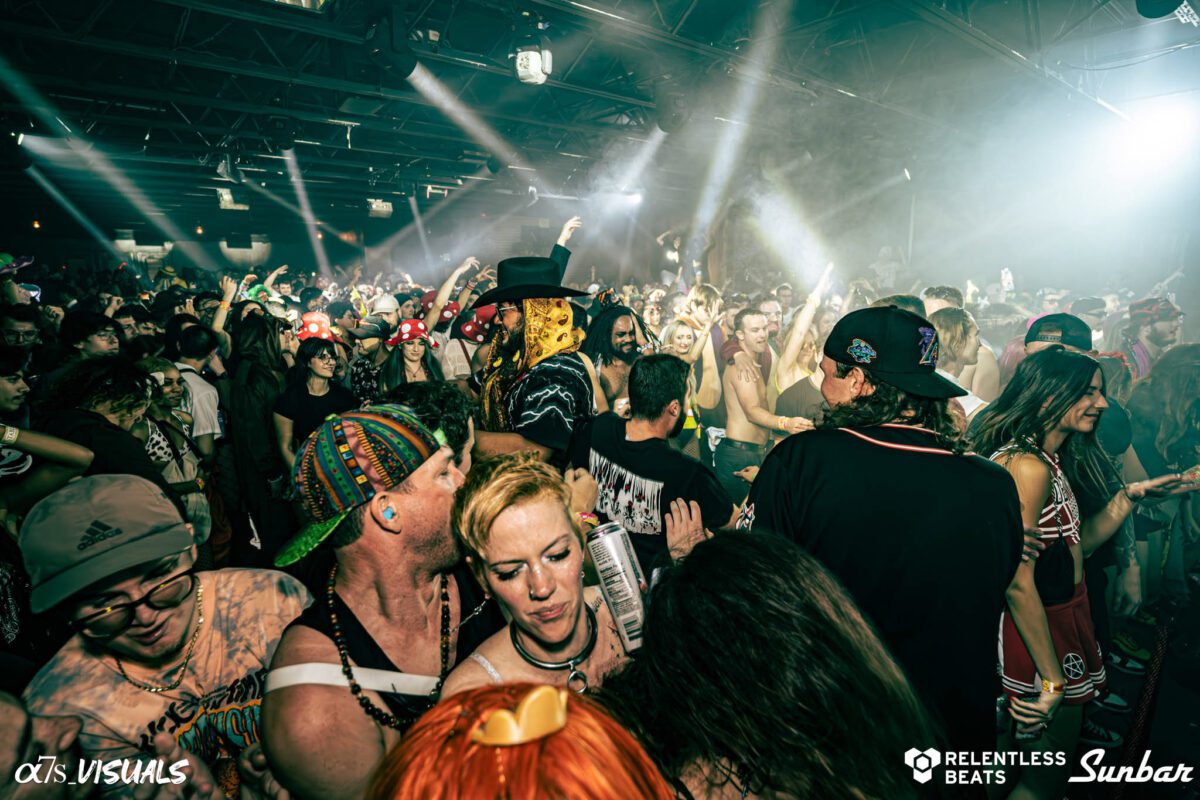
Festival goers are the lifeblood of any music festival, bringing energy and enthusiasm to the events. The music festival scene has grown exponentially over the years, with more and more people attending festivals like Coachella and Glastonbury. But what drives these festival goers to attend these events? Is it the music, the art installations, or the sense of community that comes with attending a festival? As we delve into the world of festival goers, we'll explore the history of music festivals, the rise of Electronic Dance Music (EDM), and the global festival scene. We'll also examine the demographics of festival goers, the community and culture that surrounds these events, and the economic impact of festivals on local economies. For instance, the Bonnaroo Music and Arts Festival has become a major player in the festival scene, attracting thousands of attendees each year.
🌟 The History of Music Festivals
The history of music festivals dates back to the 1950s and 60s, with events like Woodstock and the Isle of Wight Festival. These early festivals were often associated with the hippie movement and were seen as a way for young people to express themselves and rebel against mainstream culture. Over the years, music festivals have evolved to include a wide range of genres, from rock and pop to hip-hop and electronic music. Today, festivals like Lollapalooza and Austin City Limits are major events that attract hundreds of thousands of attendees. The Reading and Leeds Festival is another notable example, featuring a diverse lineup of artists and bands.
🎵 The Rise of Electronic Dance Music (EDM)
The rise of Electronic Dance Music (EDM) has been a major factor in the growth of the festival scene. Genres like house and techno have become incredibly popular, with festivals like Tomorrowland and Ultra Music Festival drawing huge crowds. The Electric Daisy Carnival is another notable example, featuring a wide range of EDM artists and DJs. But EDM is not just about the music - it's also about the culture and community that surrounds it. Festival goers often dress in elaborate costumes and participate in rave-like activities, such as glow sticking and hula hooping. The EDC Las Vegas festival is a prime example of this, with its elaborate stage designs and costumes.
🌎 Global Festival Scene
The global festival scene is more diverse than ever, with events taking place on every continent. From Rock in Rio to Glastonbury, festivals are a major part of modern music culture. But what sets these festivals apart from one another? Is it the lineup of artists, the venue, or the overall vibe of the event? As we explore the global festival scene, we'll examine the unique characteristics of each festival and what makes them special. For instance, the Sziget Festival in Hungary features a wide range of artists and activities, from music and theater to art and dance.
👥 Demographics of Festival Goers
So who are these festival goers, anyway? Demographically, they tend to be young adults between the ages of 18 and 30. They are often college students or young professionals who are looking for a fun and exciting way to spend their free time. But festival goers are not just limited to one demographic - people of all ages and backgrounds attend festivals, from families with young children to seniors who are looking to relive their youth. The Burning Man festival, for example, attracts a diverse crowd of attendees from all over the world.
🤝 Community and Culture
Festival goers are often drawn to the sense of community that comes with attending a festival. They enjoy the feeling of being part of a larger group of people who share similar interests and values. This sense of community is often fostered through social media, where festival goers can connect with one another and share their experiences. But community is not just about the people - it's also about the art and music that brings them together. The SXSW festival, for example, features a wide range of artists and performers, from musicians and comedians to filmmakers and designers.
📊 Economic Impact of Festivals
The economic impact of festivals can be significant, with events like Coachella and Lollapalooza generating millions of dollars in revenue each year. But festivals are not just about the money - they also have a major impact on local economies. They create jobs, stimulate local businesses, and attract tourists to the area. As we examine the economic impact of festivals, we'll explore the ways in which they benefit local communities and the music industry as a whole. For instance, the Bonnaroo Music and Arts Festival has a significant impact on the local economy in Manchester, Tennessee, generating millions of dollars in revenue each year.
🚨 Safety and Security Concerns
But festivals are not without their challenges. Safety and security concerns are a major issue, with festivals often struggling to balance the need for security with the desire to create a fun and relaxed atmosphere. Crowd control is a major concern, as is the risk of violence and harassment. As we explore the safety and security concerns surrounding festivals, we'll examine the ways in which event organizers and attendees can work together to create a safe and enjoyable experience for all. The Glastonbury Festival, for example, has implemented a number of safety measures in recent years, including increased security and crowd control measures.
🌈 Sustainability and Environmental Impact
As the festival scene continues to grow and evolve, there is an increasing focus on sustainability and environmental impact. Festivals are often criticized for their waste and carbon footprint, and many event organizers are now working to reduce their environmental impact. From recycling and composting to renewable energy and sustainable food options, festivals are finding new ways to reduce their impact on the environment. The Coachella Valley Music and Arts Festival, for example, has implemented a number of sustainable practices in recent years, including recycling and composting programs.
🎉 The Future of Music Festivals
As the festival scene continues to evolve, it's clear that festival goers will play a major role in shaping its future. From the music and art to the community and culture, festival goers are the pulse of the party. As we look to the future, we'll examine the ways in which festival goers can work together with event organizers and the music industry to create a more sustainable, equitable, and enjoyable festival experience for all. The Burning Man festival, for example, is a prime example of a festival that is driven by its community, with attendees playing a major role in shaping the event's culture and direction.
Key Facts
- Year
- 2022
- Origin
- Coachella Valley, California, USA
- Category
- Music and Culture
- Type
- Demographic
Frequently Asked Questions
What is the history of music festivals?
The history of music festivals dates back to the 1950s and 60s, with events like Woodstock and the Isle of Wight Festival. These early festivals were often associated with the hippie movement and were seen as a way for young people to express themselves and rebel against mainstream culture. Over the years, music festivals have evolved to include a wide range of genres, from rock and pop to hip-hop and electronic music.
What is the demographic of festival goers?
Festival goers tend to be young adults between the ages of 18 and 30. They are often college students or young professionals who are looking for a fun and exciting way to spend their free time. But festival goers are not just limited to one demographic - people of all ages and backgrounds attend festivals, from families with young children to seniors who are looking to relive their youth.
What is the economic impact of festivals?
The economic impact of festivals can be significant, with events like Coachella and Lollapalooza generating millions of dollars in revenue each year. But festivals are not just about the money - they also have a major impact on local economies. They create jobs, stimulate local businesses, and attract tourists to the area.
What are the safety and security concerns surrounding festivals?
Safety and security concerns are a major issue, with festivals often struggling to balance the need for security with the desire to create a fun and relaxed atmosphere. Crowd control is a major concern, as is the risk of violence and harassment.
How can festivals reduce their environmental impact?
Festivals can reduce their environmental impact by implementing sustainable practices such as recycling and composting, using renewable energy, and offering sustainable food options.
What role does social media play in the festival scene?
Social media plays a major role in the festival scene, allowing festival goers to share their experiences and connect with one another. But social media is not just about promotion - it's also about community building and engagement.
📸 Social Media and Festival Promotion
Social media has played a major role in the growth of the festival scene, with platforms like Instagram and Facebook allowing festival goers to share their experiences and connect with one another. But social media is not just about promotion - it's also about community building and engagement. As we explore the role of social media in the festival scene, we'll examine the ways in which event organizers and attendees can use social media to create a more engaging and interactive experience. The Tomorrowland festival, for example, has a strong social media presence, with thousands of followers on Instagram and Facebook.