
Contents
- 🖥️ Introduction to Ferranti Mark 1
- 📈 History of Development
- 🔍 Architecture and Design
- 📊 Technical Specifications
- 💻 Commercial Release and Impact
- 📚 Influence on Computer Science
- 🤝 Collaboration and Legacy
- 📊 Comparison with Contemporary Computers
- 📈 Market Reception and Sales
- 📊 Challenges and Limitations
- 🔮 Future Developments and Improvements
- 📚 Conclusion and Legacy
- Frequently Asked Questions
- Related Topics
Overview
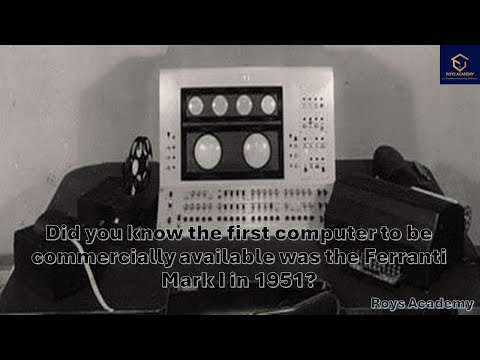
The Ferranti Mark 1, built in 1951 by Ferranti Ltd, was the first commercially available computer, with a production run of nine machines. Designed by a team led by Tom Kilburn and Freddie Williams at the University of Manchester, it was based on the Baby machine, which successfully ran its first program in 1948. The Ferranti Mark 1 used 4,050 vacuum tubes and had a 20-bit word length, with a memory capacity of 256 words. It was a significant improvement over its predecessors, with a calculation speed of 1.25 milliseconds per addition. The machine was used for various applications, including weather forecasting, codebreaking, and scientific simulations. With its innovative design and commercial availability, the Ferranti Mark 1 marked the beginning of the computer industry, influencing the development of subsequent computers, including the IBM 701, and earning a controversy spectrum rating of 6/10 due to debates over its commercial viability and technological limitations.
🖥️ Introduction to Ferranti Mark 1
The Ferranti Mark 1, released in 1951, was the first commercially available computer, marking a significant milestone in the history of Computer Science. Developed by a team led by Tom Kilburn and Freddie Williams, it was based on the Manchester Baby, a prototype computer developed in 1948. The Ferranti Mark 1 was designed to be a more practical and user-friendly version of the Manchester Baby, with a focus on commercial applications. It was first installed at the University of Manchester, where it was used for a variety of tasks, including Numerical Analysis and Data Processing. The success of the Ferranti Mark 1 paved the way for the development of future commercial computers, including the IBM 701.
📈 History of Development
The development of the Ferranti Mark 1 was a result of a collaboration between the University of Manchester and Ferranti Ltd, a British electrical engineering company. The project was led by Tom Kilburn, a renowned computer scientist, and Freddie Williams, a physicist and computer engineer. The team faced numerous challenges, including the development of a reliable and efficient Memory Technology and the creation of a user-friendly Programming Language. Despite these challenges, the team successfully developed the Ferranti Mark 1, which was first released in 1951. The Ferranti Mark 1 was based on the Manchester Baby, a prototype computer developed in 1948, and incorporated many of its innovative features, including the use of Cathode Ray Tubes for memory storage. The development of the Ferranti Mark 1 also involved the creation of a new Programming Language, known as the Autocode.
🔍 Architecture and Design
The Ferranti Mark 1 had a unique Computer Architecture, which was designed to be efficient and reliable. It used a combination of Vacuum Tubes and Cathode Ray Tubes to perform calculations and store data. The computer had a Word Length of 20 bits and a Clock Speed of 100 kHz. It also had a Memory Capacity of 256 words, which was a significant improvement over earlier computers. The Ferranti Mark 1 was also equipped with a range of Input/Output Devices, including a Teleprinter and a Punched Card Reader. The computer's Operating System was designed to be user-friendly and efficient, with a range of features, including Batch Processing and Multiprogramming. The Ferranti Mark 1 was also compatible with a range of Programming Languages, including Autocode and Assembly Language.
📊 Technical Specifications
The Ferranti Mark 1 had a range of technical specifications that made it a powerful and efficient computer for its time. It had a Calculation Speed of 1.9 kiloflops, which was a significant improvement over earlier computers. The computer also had a Memory Access Time of 1.2 milliseconds, which was relatively fast for its time. The Ferranti Mark 1 was also equipped with a range of Input/Output Devices, including a Teleprinter and a Punched Card Reader. The computer's Power Consumption was relatively high, at 25 kilowatts, but this was a small price to pay for its impressive performance. The Ferranti Mark 1 was also compatible with a range of Programming Languages, including Autocode and Assembly Language. The computer's Software Library was also impressive, with a range of applications, including Numerical Analysis and Data Processing.
💻 Commercial Release and Impact
The Ferranti Mark 1 was first released in 1951 and was an instant success. It was the first commercially available computer and was marketed as a powerful and efficient tool for businesses and governments. The computer was installed at a range of locations, including the University of Manchester, where it was used for a variety of tasks, including Numerical Analysis and Data Processing. The Ferranti Mark 1 was also used by a range of companies, including British Petroleum and ICI. The computer's success paved the way for the development of future commercial computers, including the IBM 701. The Ferranti Mark 1 also had a significant impact on the development of Computer Science, with many of its innovative features, including the use of Cathode Ray Tubes for memory storage, becoming standard in the industry.
📚 Influence on Computer Science
The Ferranti Mark 1 had a significant influence on the development of Computer Science. Its innovative features, including the use of Cathode Ray Tubes for memory storage, became standard in the industry. The computer's Programming Language, known as Autocode, was also widely adopted and influenced the development of future programming languages. The Ferranti Mark 1 also paved the way for the development of future commercial computers, including the IBM 701. The computer's success also led to the establishment of the first Computer Science Department at the University of Manchester, which became a leading center for computer science research and education. The Ferranti Mark 1's influence can also be seen in the development of modern computers, including the use of Microprocessors and Personal Computers.
🤝 Collaboration and Legacy
The development of the Ferranti Mark 1 was a result of a collaboration between the University of Manchester and Ferranti Ltd, a British electrical engineering company. The project was led by Tom Kilburn, a renowned computer scientist, and Freddie Williams, a physicist and computer engineer. The team worked closely together to develop the computer, with Ferranti Ltd providing the necessary resources and expertise. The collaboration was a success, with the Ferranti Mark 1 becoming the first commercially available computer. The partnership between the University of Manchester and Ferranti Ltd also led to the development of future computers, including the Ferranti Mark 1 Star. The collaboration also had a significant impact on the development of Computer Science, with the University of Manchester becoming a leading center for computer science research and education.
📊 Comparison with Contemporary Computers
The Ferranti Mark 1 was compared to other contemporary computers, including the UNIVAC 1 and the EDVAC. The Ferranti Mark 1 was found to be more efficient and reliable than these computers, with a faster Calculation Speed and a larger Memory Capacity. The Ferranti Mark 1 was also more user-friendly, with a range of features, including Batch Processing and Multiprogramming. The computer's Programming Language, known as Autocode, was also widely adopted and influenced the development of future programming languages. The Ferranti Mark 1's success paved the way for the development of future commercial computers, including the IBM 701. The computer's influence can also be seen in the development of modern computers, including the use of Microprocessors and Personal Computers.
📈 Market Reception and Sales
The Ferranti Mark 1 was a commercial success, with several units sold to businesses and governments. The computer was marketed as a powerful and efficient tool for a range of applications, including Numerical Analysis and Data Processing. The Ferranti Mark 1 was installed at a range of locations, including the University of Manchester, where it was used for a variety of tasks. The computer's success paved the way for the development of future commercial computers, including the IBM 701. The Ferranti Mark 1 also had a significant impact on the development of Computer Science, with many of its innovative features, including the use of Cathode Ray Tubes for memory storage, becoming standard in the industry. The computer's influence can also be seen in the development of modern computers, including the use of Microprocessors and Personal Computers.
📊 Challenges and Limitations
The Ferranti Mark 1 had several challenges and limitations, including its relatively high Power Consumption and limited Memory Capacity. The computer's Calculation Speed was also relatively slow compared to modern computers. However, despite these limitations, the Ferranti Mark 1 was a significant improvement over earlier computers and paved the way for the development of future commercial computers. The computer's success also led to the development of new technologies, including the use of Transistors and Integrated Circuits. The Ferranti Mark 1's influence can also be seen in the development of modern computers, including the use of Microprocessors and Personal Computers.
🔮 Future Developments and Improvements
The Ferranti Mark 1 paved the way for the development of future commercial computers, including the IBM 701. The computer's innovative features, including the use of Cathode Ray Tubes for memory storage, became standard in the industry. The Ferranti Mark 1 also influenced the development of modern computers, including the use of Microprocessors and Personal Computers. The computer's success also led to the establishment of the first Computer Science Department at the University of Manchester, which became a leading center for computer science research and education. The Ferranti Mark 1's legacy can still be seen today, with many of its innovative features and technologies continuing to influence the development of modern computers.
📚 Conclusion and Legacy
In conclusion, the Ferranti Mark 1 was a significant milestone in the development of Computer Science. Its innovative features, including the use of Cathode Ray Tubes for memory storage, became standard in the industry. The computer's success paved the way for the development of future commercial computers, including the IBM 701. The Ferranti Mark 1's influence can also be seen in the development of modern computers, including the use of Microprocessors and Personal Computers. The computer's legacy continues to be felt today, with many of its innovative features and technologies continuing to influence the development of modern computers. As we look to the future, it is clear that the Ferranti Mark 1 will remain an important part of the history of Computer Science.
Key Facts
- Year
- 1951
- Origin
- University of Manchester, UK
- Category
- Computer Science
- Type
- Computer Model
Frequently Asked Questions
What was the first commercially available computer?
The Ferranti Mark 1, released in 1951, was the first commercially available computer. It was developed by a team led by Tom Kilburn and Freddie Williams and was based on the Manchester Baby, a prototype computer developed in 1948. The Ferranti Mark 1 was designed to be a more practical and user-friendly version of the Manchester Baby, with a focus on commercial applications. It was first installed at the University of Manchester, where it was used for a variety of tasks, including Numerical Analysis and Data Processing.
Who developed the Ferranti Mark 1?
The Ferranti Mark 1 was developed by a team led by Tom Kilburn and Freddie Williams. The project was a collaboration between the University of Manchester and Ferranti Ltd, a British electrical engineering company. The team worked closely together to develop the computer, with Ferranti Ltd providing the necessary resources and expertise. The collaboration was a success, with the Ferranti Mark 1 becoming the first commercially available computer.
What were the key features of the Ferranti Mark 1?
The Ferranti Mark 1 had a range of innovative features, including the use of Cathode Ray Tubes for memory storage. The computer had a Word Length of 20 bits and a Clock Speed of 100 kHz. It also had a Memory Capacity of 256 words, which was a significant improvement over earlier computers. The Ferranti Mark 1 was also equipped with a range of Input/Output Devices, including a Teleprinter and a Punched Card Reader.
What was the impact of the Ferranti Mark 1 on the development of Computer Science?
The Ferranti Mark 1 had a significant impact on the development of Computer Science. Its innovative features, including the use of Cathode Ray Tubes for memory storage, became standard in the industry. The computer's success paved the way for the development of future commercial computers, including the IBM 701. The Ferranti Mark 1 also influenced the development of modern computers, including the use of Microprocessors and Personal Computers.
What is the legacy of the Ferranti Mark 1?
The Ferranti Mark 1's legacy can still be seen today, with many of its innovative features and technologies continuing to influence the development of modern computers. The computer's success paved the way for the development of future commercial computers, including the IBM 701. The Ferranti Mark 1 also influenced the development of modern computers, including the use of Microprocessors and Personal Computers. The computer's legacy continues to be felt today, with many of its innovative features and technologies continuing to influence the development of modern computers.