
Contents
- 🏹 Introduction to Fencing: A Timeless Sport
- 🤺 The Evolution of Fencing: From Ancient Roots to Modern Discipline
- 🏰 The Italian and French Schools: Shaping the Sport
- 🤔 The Disciplines of Fencing: Foil, Épée, and Sabre
- 🏋️♀️ Training and Technique: Mastering the Art of Swordplay
- 🎯 Scoring Points: The Objective of Fencing Competitions
- 👥 Fencing in the Modern Era: Global Competitions and Olympic Events
- 📚 The Cultural Significance of Fencing: A Symbol of Elegance and Skill
- 🤺 The Psychology of Fencing: Mental Preparation and Strategy
- 👍 The Future of Fencing: Innovations and Growing Popularity
- 🏆 Notable Fencers: Legends and Champions of the Sport
- 📊 Fencing Statistics: Interesting Facts and Figures
- Frequently Asked Questions
- Related Topics
Overview
Fencing, with a history dating back to ancient civilizations such as Egypt and Greece, has evolved into a modern Olympic sport characterized by speed, agility, and strategy. The sport encompasses three primary disciplines: foil, épée, and sabre, each with its unique rules and techniques. Fencing has been a staple of the Olympic Games since 1896, with men's events, and since 1924, with women's events. The sport has also been influenced by various cultural and historical contexts, including the Italian and French schools of fencing. According to the Fédération Internationale d'Escrime (FIE), the global governing body for fencing, there are over 100 member countries, highlighting the sport's widespread popularity. With a Vibe score of 8, indicating a strong cultural energy, fencing continues to captivate audiences and inspire new generations of fencers, with notable fencers like Aldo Montano and Valentina Vezzali pushing the boundaries of the sport.
🏹 Introduction to Fencing: A Timeless Sport
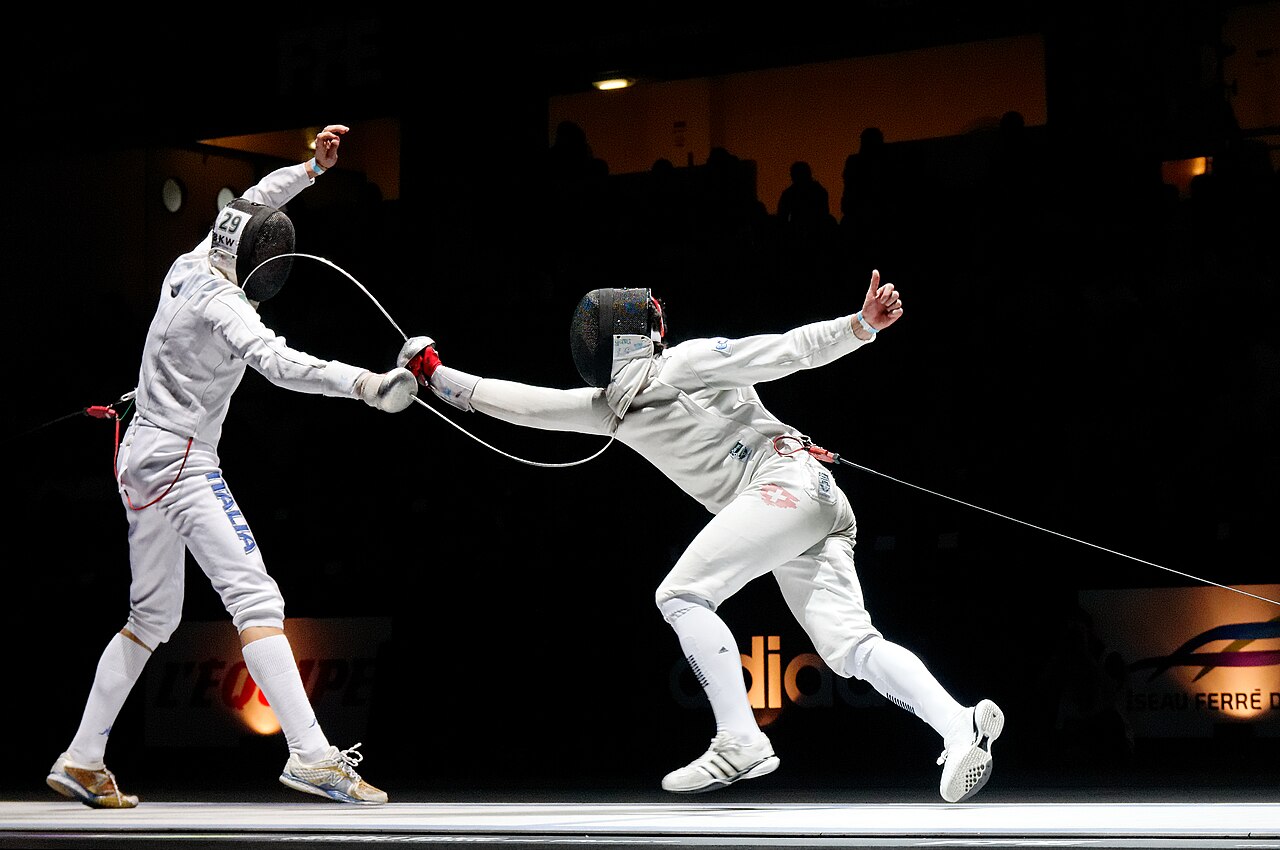
Fencing is a combat sport that features sword fighting, with a rich history dating back to ancient times. The modern sport gained prominence near the end of the 19th century, evolving from historical European swordsmanship. As a sport, fencing requires a combination of physical skill, strategy, and mental toughness, making it a unique and captivating competition. Fencers can specialise in one of three primary disciplines: Foil Fencing, Épée Fencing, or Sabre Fencing. The Italian school altered the historical European martial art of classical fencing, and the French school later refined that system. For more information on the history of fencing, visit the Fencing History page.
🤺 The Evolution of Fencing: From Ancient Roots to Modern Discipline
The evolution of fencing is a fascinating story that spans centuries. From its ancient roots in European swordsmanship to the modern discipline we know today, fencing has undergone significant changes. The Italian school, led by masters such as Fiore dei Liberi, played a crucial role in shaping the sport. Later, the French school, with its emphasis on elegance and precision, refined the system and created the foundation for modern fencing. To learn more about the Italian and French schools, visit the Italian School of Fencing and French School of Fencing pages.
🏰 The Italian and French Schools: Shaping the Sport
The Italian and French schools have had a profound impact on the development of fencing. The Italian school, with its focus on practicality and effectiveness, laid the groundwork for the modern sport. The French school, with its emphasis on elegance and refinement, added a new level of sophistication and strategy to the game. Today, fencers can choose to specialise in one of three disciplines: Foil Fencing, Épée Fencing, or Sabre Fencing. Each discipline has its own unique characteristics and requirements, making fencing a diverse and exciting sport. For more information on the different disciplines, visit the Fencing Disciplines page.
🤔 The Disciplines of Fencing: Foil, Épée, and Sabre
The disciplines of fencing are a key aspect of the sport. Foil, épée, and sabre each have their own unique rules and requirements, and fencers must develop specific skills and strategies to excel in each discipline. Foil Fencing is a precision-based discipline that requires fencers to score points by hitting their opponent's valid target area. Épée Fencing is a more physical discipline that allows fencers to score points by hitting their opponent anywhere on their body. Sabre Fencing is a fast-paced and aggressive discipline that requires fencers to score points by hitting their opponent with the cutting edge of their blade. To learn more about the rules and strategies of each discipline, visit the Fencing Rules page.
🏋️♀️ Training and Technique: Mastering the Art of Swordplay
Training and technique are essential components of fencing. Fencers must develop a strong foundation in the fundamentals of the sport, including footwork, bladework, and strategy. As they progress, they must also develop the physical and mental toughness required to compete at the highest levels. Fencing Training programs typically include a combination of physical conditioning, technical drills, and tactical strategy sessions. Fencers must also learn to adapt to different opponents and situations, making fencing a dynamic and challenging sport. For more information on fencing training and technique, visit the Fencing Technique page.
🎯 Scoring Points: The Objective of Fencing Competitions
Scoring points is the ultimate objective of fencing competitions. Fencers must use their skills and strategy to outmaneuver their opponents and score points by making contact with their sword. The scoring system varies depending on the discipline, but the basic principle remains the same. In Foil Fencing and Épée Fencing, points are scored by hitting the opponent's valid target area. In Sabre Fencing, points are scored by hitting the opponent with the cutting edge of the blade. To learn more about the scoring system and rules of fencing, visit the Fencing Scoring page.
👥 Fencing in the Modern Era: Global Competitions and Olympic Events
Fencing in the modern era is a global sport, with competitions and events taking place all over the world. The Olympic Games feature fencing as one of the core sports, with men's and women's events in each of the three disciplines. The Fencing Olympics page provides more information on the history and rules of Olympic fencing. Fencers can also compete in international events, such as the Fencing World Championships and the Fencing Grand Prix. These events provide a platform for fencers to showcase their skills and compete against the best in the world.
📚 The Cultural Significance of Fencing: A Symbol of Elegance and Skill
Fencing has a rich cultural significance that extends beyond the sport itself. It is often seen as a symbol of elegance and sophistication, with its roots in historical European swordsmanship. The sport has also been featured in numerous films, literature, and art, cementing its place in popular culture. Fencing in Popular Culture is a fascinating topic that explores the sport's impact on society and the arts. From the swashbuckling adventures of Zorro to the elegant duels of The Princess Bride, fencing has captured the imagination of people around the world.
🤺 The Psychology of Fencing: Mental Preparation and Strategy
The psychology of fencing is a complex and fascinating topic. Fencers must develop a strong mental game to compete at the highest levels, including focus, strategy, and emotional control. Fencing Psychology plays a critical role in the sport, as fencers must be able to adapt to different opponents and situations. The mental preparation and strategy required to succeed in fencing make it a unique and challenging sport. To learn more about the psychology of fencing, visit the Fencing Mental Preparation page.
👍 The Future of Fencing: Innovations and Growing Popularity
The future of fencing is exciting and full of possibilities. With the advent of new technologies and innovations, the sport is evolving and becoming more accessible to people around the world. Fencing Innovation is driving the development of new equipment, training methods, and competition formats. The sport is also becoming more popular, with a growing number of fencers and fans around the world. To learn more about the future of fencing, visit the Fencing Future page.
🏆 Notable Fencers: Legends and Champions of the Sport
Notable fencers have made significant contributions to the sport, pushing the boundaries of what is possible and inspiring future generations. Fencing Legends such as Aleksandr Prikhodko and Valentina Vezzali have dominated their respective disciplines, winning numerous Olympic and World Championship titles. Their achievements have helped to promote the sport and inspire new fencers to take up the challenge. To learn more about notable fencers, visit the Fencing Champions page.
📊 Fencing Statistics: Interesting Facts and Figures
Fencing statistics provide a fascinating insight into the sport. From the number of fencers competing in international events to the most successful fencers in history, the numbers tell a story of a sport that is growing and evolving. Fencing Statistics show that the sport is becoming more popular, with a growing number of fencers and fans around the world. To learn more about fencing statistics, visit the Fencing Data page.
Key Facts
- Year
- 1896
- Origin
- Ancient Egypt and Greece
- Category
- Sports and Martial Arts
- Type
- Sport
Frequently Asked Questions
What are the three primary disciplines of fencing?
The three primary disciplines of fencing are Foil Fencing, Épée Fencing, and Sabre Fencing. Each discipline has its own unique rules and requirements, and fencers must develop specific skills and strategies to excel in each discipline. To learn more about the different disciplines, visit the Fencing Disciplines page.
How do fencers score points in a competition?
Fencers score points by making contact with their opponent with their sword. The scoring system varies depending on the discipline, but the basic principle remains the same. In Foil Fencing and Épée Fencing, points are scored by hitting the opponent's valid target area. In Sabre Fencing, points are scored by hitting the opponent with the cutting edge of the blade. To learn more about the scoring system and rules of fencing, visit the Fencing Scoring page.
What is the cultural significance of fencing?
Fencing has a rich cultural significance that extends beyond the sport itself. It is often seen as a symbol of elegance and sophistication, with its roots in historical European swordsmanship. The sport has also been featured in numerous films, literature, and art, cementing its place in popular culture. Fencing in Popular Culture is a fascinating topic that explores the sport's impact on society and the arts.
How has fencing evolved over time?
Fencing has undergone significant changes over the centuries, from its ancient roots in European swordsmanship to the modern discipline we know today. The Italian school, led by masters such as Fiore dei Liberi, played a crucial role in shaping the sport. Later, the French school, with its emphasis on elegance and precision, refined the system and created the foundation for modern fencing. To learn more about the history of fencing, visit the Fencing History page.
What is the future of fencing?
The future of fencing is exciting and full of possibilities. With the advent of new technologies and innovations, the sport is evolving and becoming more accessible to people around the world. Fencing Innovation is driving the development of new equipment, training methods, and competition formats. The sport is also becoming more popular, with a growing number of fencers and fans around the world. To learn more about the future of fencing, visit the Fencing Future page.
Who are some notable fencers?
Notable fencers have made significant contributions to the sport, pushing the boundaries of what is possible and inspiring future generations. Fencing Legends such as Aleksandr Prikhodko and Valentina Vezzali have dominated their respective disciplines, winning numerous Olympic and World Championship titles. Their achievements have helped to promote the sport and inspire new fencers to take up the challenge. To learn more about notable fencers, visit the Fencing Champions page.
What are some interesting fencing statistics?
Fencing statistics provide a fascinating insight into the sport. From the number of fencers competing in international events to the most successful fencers in history, the numbers tell a story of a sport that is growing and evolving. Fencing Statistics show that the sport is becoming more popular, with a growing number of fencers and fans around the world. To learn more about fencing statistics, visit the Fencing Data page.