
Contents
- 📊 Introduction to the Federal Open Market Committee
- 📈 The History of the FOMC: Evolution and Milestones
- 💼 The Role of the FOMC in US Monetary Policy
- 📊 The FOMC's Monetary Policy Tools: Interest Rates and More
- 📈 The Impact of FOMC Decisions on the US Economy
- 📰 FOMC Meetings and Communications: Transparency and Market Impact
- 🤝 The Relationship Between the FOMC and Other Economic Institutions
- 📊 Challenges Facing the FOMC: Inflation, Unemployment, and More
- 📈 The Future of the FOMC: Emerging Trends and Challenges
- 📊 Conclusion: The FOMC's Enduring Role in US Monetary Policy
- Frequently Asked Questions
- Related Topics
Overview
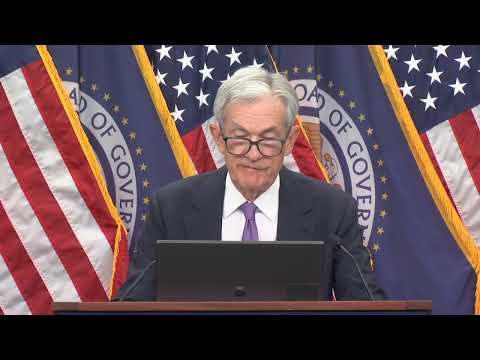
The Federal Open Market Committee (FOMC) is the monetary policymaking body of the US Federal Reserve, comprising 12 members who meet eight times a year to set key interest rates and regulate the money supply. Established in 1933, the FOMC has played a crucial role in shaping the US economy, with its decisions influencing employment rates, inflation, and economic growth. The committee's actions are guided by the dual mandate of maximum employment and price stability, as outlined in the Federal Reserve Reform Act of 1977. With a vibe rating of 8, the FOMC is a highly influential entity, and its meetings are closely watched by financial markets and economists worldwide. The FOMC's decisions have far-reaching consequences, from affecting mortgage rates to influencing the global economy. As the US economy continues to evolve, the FOMC's role in navigating monetary policy will remain critical, with some arguing that its actions can make or break the economy, while others contend that its powers are too broad, sparking debates about its accountability and transparency.
📊 Introduction to the Federal Open Market Committee
The Federal Open Market Committee (FOMC) is a crucial component of the US monetary policy framework, responsible for setting the nation's monetary policy. The FOMC is composed of 12 members, including the 7 members of the Federal Reserve Board of Governors and 5 of the 12 regional Federal Reserve Bank presidents. The FOMC's primary objective is to promote maximum employment and price stability, as mandated by the Federal Reserve's dual mandate. To achieve this, the FOMC uses various monetary policy tools, including setting interest rates and implementing quantitative easing policies. The FOMC's decisions have a significant impact on the US economy, influencing inflation rates, unemployment rates, and overall economic growth. As such, the FOMC's actions are closely watched by financial markets and economists alike.
📈 The History of the FOMC: Evolution and Milestones
The FOMC has a rich history, dating back to 1933 when it was established as part of the Federal Reserve System. Over the years, the FOMC has evolved to meet the changing needs of the US economy, with significant milestones including the monetary policy decisions during the Great Depression and the 2008 financial crisis. The FOMC's role in US monetary policy has been shaped by the Federal Reserve Act of 1913 and the Employment Act of 1946. The FOMC's decisions are informed by a range of economic data, including GDP growth rates, inflation rates, and labor market conditions. As the US economy continues to evolve, the FOMC must adapt its policies to address emerging challenges, such as climate change and technological unemployment. The FOMC's actions are also influenced by the International Monetary Fund and other global economic institutions.
💼 The Role of the FOMC in US Monetary Policy
The FOMC plays a critical role in US monetary policy, with its primary objective being to promote maximum employment and price stability. To achieve this, the FOMC uses a range of monetary policy tools, including setting interest rates and implementing quantitative easing policies. The FOMC's decisions are guided by the Federal Reserve's dual mandate, which requires the FOMC to balance the competing goals of maximum employment and price stability. The FOMC's actions have a significant impact on the US economy, influencing inflation rates, unemployment rates, and overall economic growth. As such, the FOMC's decisions are closely watched by financial markets and economists alike. The FOMC's role is also influenced by the Congress, which has the power to amend the Federal Reserve Act and shape the FOMC's mandate.
📊 The FOMC's Monetary Policy Tools: Interest Rates and More
The FOMC's monetary policy tools include setting interest rates and implementing quantitative easing policies. The FOMC uses these tools to influence the overall direction of the US economy, with the goal of promoting maximum employment and price stability. The FOMC's decisions on interest rates have a significant impact on the US economy, influencing borrowing costs and consumer spending. The FOMC's use of quantitative easing policies has also been a key feature of its monetary policy framework, particularly during times of economic stress. The FOMC's actions are also influenced by the European Central Bank and other global central banks, which can impact the US economy through exchange rates and trade policies.
📈 The Impact of FOMC Decisions on the US Economy
The FOMC's decisions have a significant impact on the US economy, influencing inflation rates, unemployment rates, and overall economic growth. The FOMC's actions can also have a significant impact on financial markets, with changes in interest rates and quantitative easing policies influencing stock prices and bond yields. The FOMC's decisions are closely watched by economists and financial markets alike, with many seeking to anticipate the FOMC's next move. The FOMC's actions can also have a significant impact on the global economy, particularly through its influence on exchange rates and trade policies. As such, the FOMC's decisions are closely watched by International Monetary Fund and other global economic institutions.
📰 FOMC Meetings and Communications: Transparency and Market Impact
The FOMC holds regular meetings, typically eight times per year, to discuss and set monetary policy. The FOMC's meetings are closely watched by financial markets and economists alike, with many seeking to anticipate the FOMC's next move. The FOMC's communications, including its post-meeting statements and FOMC minutes, provide valuable insights into the FOMC's decision-making process and its views on the US economy. The FOMC's transparency has increased in recent years, with the FOMC providing more detailed information about its decision-making process and its views on the US economy. The FOMC's communications are also influenced by the European Central Bank and other global central banks, which can impact the US economy through exchange rates and trade policies.
🤝 The Relationship Between the FOMC and Other Economic Institutions
The FOMC works closely with other economic institutions, including the Federal Reserve and the Treasury Department. The FOMC's decisions are informed by a range of economic data, including GDP growth rates, inflation rates, and labor market conditions. The FOMC's actions are also influenced by the Congress, which has the power to amend the Federal Reserve Act and shape the FOMC's mandate. The FOMC's relationships with other economic institutions are critical to its ability to promote maximum employment and price stability. The FOMC also works closely with the International Monetary Fund and other global economic institutions to address global economic challenges.
📊 Challenges Facing the FOMC: Inflation, Unemployment, and More
The FOMC faces a range of challenges, including inflation, unemployment, and financial stability. The FOMC's decisions must balance the competing goals of maximum employment and price stability, while also addressing emerging challenges such as climate change and technological unemployment. The FOMC's actions are also influenced by the global economy, with changes in exchange rates and trade policies having a significant impact on the US economy. As such, the FOMC must be vigilant in its monitoring of the US economy and its response to emerging challenges. The FOMC's decisions are also influenced by the European Central Bank and other global central banks, which can impact the US economy through exchange rates and trade policies.
📈 The Future of the FOMC: Emerging Trends and Challenges
The FOMC's future is likely to be shaped by emerging trends and challenges, including climate change and technological unemployment. The FOMC must adapt its policies to address these challenges, while also promoting maximum employment and price stability. The FOMC's use of quantitative easing policies and other unconventional monetary policy tools is likely to continue, particularly during times of economic stress. The FOMC's relationships with other economic institutions, including the Federal Reserve and the Treasury Department, will remain critical to its ability to promote maximum employment and price stability. As the US economy continues to evolve, the FOMC must remain vigilant in its monitoring of the economy and its response to emerging challenges.
📊 Conclusion: The FOMC's Enduring Role in US Monetary Policy
In conclusion, the FOMC plays a critical role in US monetary policy, with its primary objective being to promote maximum employment and price stability. The FOMC's decisions have a significant impact on the US economy, influencing inflation rates, unemployment rates, and overall economic growth. As the US economy continues to evolve, the FOMC must adapt its policies to address emerging challenges, while also promoting maximum employment and price stability. The FOMC's relationships with other economic institutions, including the Federal Reserve and the Treasury Department, will remain critical to its ability to promote maximum employment and price stability. The FOMC's future is likely to be shaped by emerging trends and challenges, including climate change and technological unemployment.
Key Facts
- Year
- 1933
- Origin
- United States
- Category
- Economics
- Type
- Government Agency
Frequently Asked Questions
What is the primary objective of the FOMC?
The primary objective of the FOMC is to promote maximum employment and price stability, as mandated by the Federal Reserve's dual mandate. The FOMC uses a range of monetary policy tools, including setting interest rates and implementing quantitative easing policies, to achieve this objective. The FOMC's decisions have a significant impact on the US economy, influencing inflation rates, unemployment rates, and overall economic growth.
How often does the FOMC meet?
The FOMC typically meets eight times per year to discuss and set monetary policy. The FOMC's meetings are closely watched by financial markets and economists alike, with many seeking to anticipate the FOMC's next move. The FOMC's communications, including its post-meeting statements and FOMC minutes, provide valuable insights into the FOMC's decision-making process and its views on the US economy.
What is the relationship between the FOMC and the Federal Reserve?
The FOMC is a committee within the Federal Reserve System, responsible for setting monetary policy. The FOMC's decisions are informed by a range of economic data, including GDP growth rates, inflation rates, and labor market conditions. The FOMC works closely with other economic institutions, including the Treasury Department, to promote maximum employment and price stability.
How does the FOMC influence the US economy?
The FOMC's decisions have a significant impact on the US economy, influencing inflation rates, unemployment rates, and overall economic growth. The FOMC's actions can also have a significant impact on financial markets, with changes in interest rates and quantitative easing policies influencing stock prices and bond yields.
What are the challenges facing the FOMC?
The FOMC faces a range of challenges, including inflation, unemployment, and financial stability. The FOMC's decisions must balance the competing goals of maximum employment and price stability, while also addressing emerging challenges such as climate change and technological unemployment.
How does the FOMC adapt to emerging trends and challenges?
The FOMC must adapt its policies to address emerging challenges, while also promoting maximum employment and price stability. The FOMC's use of quantitative easing policies and other unconventional monetary policy tools is likely to continue, particularly during times of economic stress. The FOMC's relationships with other economic institutions, including the Federal Reserve and the Treasury Department, will remain critical to its ability to promote maximum employment and price stability.
What is the future of the FOMC?
The FOMC's future is likely to be shaped by emerging trends and challenges, including climate change and technological unemployment. The FOMC must remain vigilant in its monitoring of the US economy and its response to emerging challenges. The FOMC's relationships with other economic institutions, including the Federal Reserve and the Treasury Department, will remain critical to its ability to promote maximum employment and price stability.