
Contents
- 🔒 Introduction to False Acceptance Rate
- 📊 Understanding False Acceptance Rate Metrics
- 🚨 The Impact of False Acceptance on Security Systems
- 🔍 Causes of False Acceptance in Biometric Systems
- 📈 False Acceptance Rate vs. False Rejection Rate
- 🤖 The Role of Artificial Intelligence in False Acceptance
- 📊 Mitigating False Acceptance with Advanced Analytics
- 👥 The Human Factor in False Acceptance
- 🔒 Implementing Secure Authentication Protocols
- 📊 Best Practices for Reducing False Acceptance Rate
- 📈 The Future of Security Systems and False Acceptance
- 🚨 Conclusion: The Importance of Addressing False Acceptance
- Frequently Asked Questions
- Related Topics
Overview
The false acceptance rate (FAR) refers to the frequency with which a security system incorrectly accepts an unauthorized individual as legitimate. This phenomenon poses significant risks to various sectors, including finance, government, and healthcare. According to a study by the National Institute of Standards and Technology (NIST), the FAR for facial recognition systems can range from 0.1% to 10%, depending on the algorithm and environmental conditions. The implications of FAR are far-reaching, with potential consequences including identity theft, data breaches, and compromised national security. As biometric authentication becomes increasingly prevalent, it is essential to address the issue of FAR and develop more robust and secure systems. For instance, a report by the market research firm, Grand View Research, estimates that the global biometric market will reach $82.9 billion by 2027, with a growth rate of 14.5% per annum, highlighting the need for improved security measures to mitigate the risks associated with FAR.
🔒 Introduction to False Acceptance Rate
The False Acceptance Rate (FAR) is a critical metric in security systems, particularly in biometric authentication and access control applications. It refers to the frequency with which a security system incorrectly accepts an unauthorized individual as legitimate. This can have severe consequences, including data breaches and identity theft. To understand the significance of FAR, it's essential to delve into the world of security systems and explore how artificial intelligence is being used to improve their accuracy. As we navigate the complexities of FAR, we must also consider the human factor and how it contributes to false acceptance.
📊 Understanding False Acceptance Rate Metrics
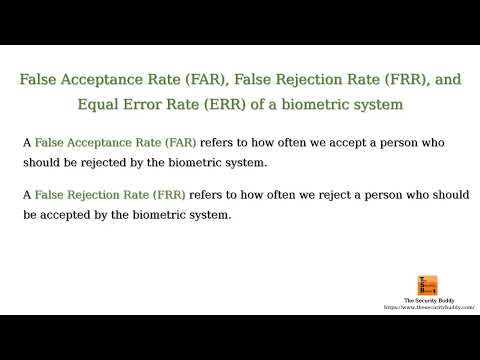
When evaluating the performance of a security system, it's crucial to consider the False Acceptance Rate alongside other key metrics, such as the False Rejection Rate (FRR) and the Equal Error Rate (EER). These metrics provide a comprehensive understanding of a system's accuracy and reliability. By analyzing these metrics, security professionals can identify areas for improvement and implement targeted solutions to reduce the risk of security breaches. This is particularly important in applications where biometric identification is used, such as in border control and law enforcement.
🚨 The Impact of False Acceptance on Security Systems
The impact of false acceptance on security systems cannot be overstated. When an unauthorized individual is incorrectly accepted as legitimate, it can lead to a range of serious consequences, including financial loss and reputational damage. To mitigate this risk, security professionals must implement robust security protocols and ensure that their systems are regularly penetration tested to identify vulnerabilities. By prioritizing security and investing in advanced threat detection technologies, organizations can reduce the risk of false acceptance and protect their assets. This is particularly important in industries where data protection is paramount, such as in healthcare and finance.
🔍 Causes of False Acceptance in Biometric Systems
One of the primary causes of false acceptance in biometric systems is the quality of the biometric data being used. If the data is of poor quality or has been compromised, it can lead to inaccurate results and increase the risk of false acceptance. To address this issue, security professionals must ensure that their biometric data is collected and stored securely, using encryption and other data protection measures. Additionally, they must implement robust quality control processes to verify the accuracy of the data. This is particularly important in applications where facial recognition is used, such as in surveillance and access control.
📈 False Acceptance Rate vs. False Rejection Rate
When evaluating the performance of a security system, it's essential to consider both the False Acceptance Rate and the False Rejection Rate. While a low FAR is critical for preventing security breaches, a low FRR is equally important for ensuring that legitimate individuals are not incorrectly rejected. By finding the right balance between these two metrics, security professionals can implement effective security protocols that minimize the risk of false acceptance while also providing a seamless user experience. This is particularly important in applications where user experience is critical, such as in e-commerce and online banking.
🤖 The Role of Artificial Intelligence in False Acceptance
Artificial intelligence is playing an increasingly important role in reducing the risk of false acceptance in security systems. By leveraging machine learning and deep learning algorithms, security professionals can develop more accurate and reliable biometric authentication systems. These systems can analyze vast amounts of data and identify patterns that may indicate a high risk of false acceptance. By integrating AI into their security protocols, organizations can stay one step ahead of potential threats and protect their assets more effectively. This is particularly important in industries where cybersecurity is paramount, such as in government and defense.
📊 Mitigating False Acceptance with Advanced Analytics
To mitigate the risk of false acceptance, security professionals must implement advanced analytics and threat detection technologies. These solutions can analyze vast amounts of data and identify potential security threats in real-time, reducing the risk of false acceptance and improving overall system security. By leveraging predictive analytics and anomaly detection, organizations can stay ahead of emerging threats and protect their assets more effectively. This is particularly important in applications where real-time analytics is critical, such as in financial trading and cybersecurity.
👥 The Human Factor in False Acceptance
The human factor is a critical component of false acceptance in security systems. If individuals are not properly trained or are not aware of the risks associated with false acceptance, they may inadvertently compromise the security of the system. To address this issue, security professionals must provide regular security awareness training and ensure that all individuals understand the importance of security protocols. By prioritizing the human factor and implementing effective security policies, organizations can reduce the risk of false acceptance and protect their assets more effectively. This is particularly important in industries where compliance is paramount, such as in healthcare and finance.
🔒 Implementing Secure Authentication Protocols
Implementing secure authentication protocols is critical for reducing the risk of false acceptance in security systems. This includes using multi-factor authentication and two-factor authentication to verify the identity of individuals. By leveraging these protocols, organizations can ensure that only authorized individuals have access to sensitive data and systems, reducing the risk of security breaches and data theft. This is particularly important in applications where data protection is paramount, such as in cloud computing and internet of things.
📊 Best Practices for Reducing False Acceptance Rate
To reduce the False Acceptance Rate, security professionals must implement best practices for security protocols and biometric authentication. This includes regularly updating and patching systems, implementing robust quality control processes, and providing regular security awareness training to individuals. By prioritizing security and investing in advanced threat detection technologies, organizations can reduce the risk of false acceptance and protect their assets more effectively. This is particularly important in industries where cybersecurity is paramount, such as in government and defense.
📈 The Future of Security Systems and False Acceptance
As security systems continue to evolve, the risk of false acceptance will remain a critical concern. To address this issue, security professionals must stay ahead of emerging threats and invest in advanced threat detection technologies. By leveraging artificial intelligence and machine learning, organizations can develop more accurate and reliable biometric authentication systems, reducing the risk of false acceptance and improving overall system security. This is particularly important in applications where real-time analytics is critical, such as in financial trading and cybersecurity.
🚨 Conclusion: The Importance of Addressing False Acceptance
In conclusion, the False Acceptance Rate is a critical metric in security systems, and addressing it is essential for protecting assets and preventing security breaches. By understanding the causes of false acceptance, implementing robust security protocols, and leveraging advanced threat detection technologies, organizations can reduce the risk of false acceptance and improve overall system security. As the threat landscape continues to evolve, it's essential for security professionals to stay vigilant and prioritize the security of their systems and data. This is particularly important in industries where data protection is paramount, such as in healthcare and finance.
Key Facts
- Year
- 2022
- Origin
- National Institute of Standards and Technology (NIST)
- Category
- Security and Technology
- Type
- Concept
Frequently Asked Questions
What is the False Acceptance Rate?
The False Acceptance Rate (FAR) is a metric that measures the frequency with which a security system incorrectly accepts an unauthorized individual as legitimate. It's a critical metric in security systems, particularly in biometric authentication and access control applications. To understand the significance of FAR, it's essential to delve into the world of security systems and explore how artificial intelligence is being used to improve their accuracy.
What are the causes of false acceptance in biometric systems?
One of the primary causes of false acceptance in biometric systems is the quality of the biometric data being used. If the data is of poor quality or has been compromised, it can lead to inaccurate results and increase the risk of false acceptance. To address this issue, security professionals must ensure that their biometric data is collected and stored securely, using encryption and other data protection measures.
How can organizations reduce the False Acceptance Rate?
To reduce the False Acceptance Rate, security professionals must implement best practices for security protocols and biometric authentication. This includes regularly updating and patching systems, implementing robust quality control processes, and providing regular security awareness training to individuals. By prioritizing security and investing in advanced threat detection technologies, organizations can reduce the risk of false acceptance and protect their assets more effectively.
What is the role of artificial intelligence in reducing false acceptance?
Artificial intelligence is playing an increasingly important role in reducing the risk of false acceptance in security systems. By leveraging machine learning and deep learning algorithms, security professionals can develop more accurate and reliable biometric authentication systems. These systems can analyze vast amounts of data and identify patterns that may indicate a high risk of false acceptance.
What are the consequences of false acceptance in security systems?
The consequences of false acceptance in security systems can be severe, including data breaches and identity theft. To mitigate this risk, security professionals must implement robust security protocols and ensure that their systems are regularly penetration tested to identify vulnerabilities. By prioritizing security and investing in advanced threat detection technologies, organizations can reduce the risk of false acceptance and protect their assets more effectively.
How can organizations prioritize the human factor in reducing false acceptance?
The human factor is a critical component of false acceptance in security systems. If individuals are not properly trained or are not aware of the risks associated with false acceptance, they may inadvertently compromise the security of the system. To address this issue, security professionals must provide regular security awareness training and ensure that all individuals understand the importance of security protocols. By prioritizing the human factor and implementing effective security policies, organizations can reduce the risk of false acceptance and protect their assets more effectively.
What is the relationship between False Acceptance Rate and False Rejection Rate?
When evaluating the performance of a security system, it's essential to consider both the False Acceptance Rate and the False Rejection Rate. While a low FAR is critical for preventing security breaches, a low FRR is equally important for ensuring that legitimate individuals are not incorrectly rejected. By finding the right balance between these two metrics, security professionals can implement effective security protocols that minimize the risk of false acceptance while also providing a seamless user experience.