
Contents
- 🔍 Introduction to Facebook Facial Recognition
- 📸 History of Facial Recognition Technology
- 👥 How Facebook Uses Facial Recognition
- 🚫 Concerns and Controversies Surrounding Facial Recognition
- 📊 Technical Aspects of Facebook Facial Recognition
- 👮 Regulation and Lawsuits Related to Facial Recognition
- 🤖 Future Developments in Facial Recognition Technology
- 📈 Impact of Facial Recognition on Society
- 📊 Facebook's Facial Recognition Accuracy and Bias
- 🚫 Alternatives to Facebook Facial Recognition
- 📝 Conclusion and Future Outlook
- Frequently Asked Questions
- Related Topics
Overview
Facebook's facial recognition technology, introduced in 2010, has been a subject of controversy and debate. With a reported accuracy rate of 98% and over 1 billion face profiles, the system has raised concerns about user privacy and data protection. Proponents argue that it enhances user experience and security, while critics, including the Electronic Frontier Foundation (EFF) and the American Civil Liberties Union (ACLU), claim it infringes on individual rights. As of 2020, Facebook has faced numerous lawsuits and regulatory challenges, including a $550 million settlement in Illinois. The technology has also been linked to law enforcement agencies, sparking fears of mass surveillance. With the European Union's General Data Protection Regulation (GDPR) imposing stricter data protection laws, Facebook's facial recognition system is under increasing scrutiny. As the technology continues to evolve, the question remains: where do we draw the line between convenience and control?
🔍 Introduction to Facebook Facial Recognition
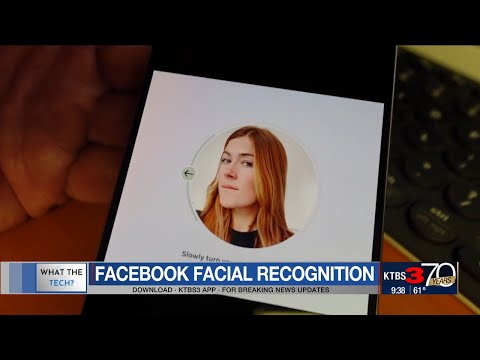
Facebook facial recognition is a technology used by the social media platform to identify and tag users in photos and videos. This technology has been around since 2010, when Facebook first introduced its facial recognition technology to suggest tags for users in photos. The technology uses a complex algorithm to map and analyze the unique features of a person's face, allowing it to identify and match faces with a high degree of accuracy. However, this technology has also raised concerns about privacy and data protection. As a result, Facebook has faced numerous lawsuits and regulatory challenges related to its use of facial recognition technology. Despite these challenges, Facebook continues to develop and improve its facial recognition capabilities, with a focus on improving artificial intelligence and machine learning algorithms.
📸 History of Facial Recognition Technology
The history of facial recognition technology dates back to the 1960s, when the first facial recognition systems were developed. However, these early systems were not very accurate and were limited in their ability to recognize faces. It wasn't until the 1990s that facial recognition technology began to improve, with the development of more advanced algorithms and the use of computer vision techniques. Today, facial recognition technology is used in a wide range of applications, from security and surveillance to social media and marketing. Facebook's use of facial recognition technology is just one example of how this technology is being used in the tech industry. As the technology continues to evolve, we can expect to see even more innovative applications of facial recognition in the future, including the use of augmented reality and virtual reality.
👥 How Facebook Uses Facial Recognition
Facebook uses facial recognition technology to identify and tag users in photos and videos. This technology is used to suggest tags for users in photos, and to help users find and connect with friends and family. Facebook's facial recognition technology is also used to improve the overall user experience, by allowing users to quickly and easily find and share photos and videos. However, some users have raised concerns about the use of facial recognition technology, citing concerns about privacy and data protection. In response to these concerns, Facebook has implemented a number of measures to protect user privacy, including the use of encryption and secure data storage. Additionally, Facebook has also introduced a number of features to help users control their privacy settings, including the ability to opt-out of facial recognition and to control who can see their photos and videos.
🚫 Concerns and Controversies Surrounding Facial Recognition
Despite the benefits of facial recognition technology, there are also a number of concerns and controversies surrounding its use. One of the main concerns is that facial recognition technology can be used to infringe on users' privacy and data protection rights. For example, facial recognition technology can be used to track users' movements and activities, without their knowledge or consent. Additionally, facial recognition technology can also be used to discriminate against certain groups of people, such as minorities and women. As a result, there have been numerous lawsuits and regulatory challenges related to the use of facial recognition technology, including a recent lawsuit filed by the Illinois state government. To address these concerns, Facebook has implemented a number of measures to protect user privacy, including the use of artificial intelligence and machine learning algorithms to improve the accuracy and fairness of its facial recognition technology.
📊 Technical Aspects of Facebook Facial Recognition
The technical aspects of Facebook's facial recognition technology are complex and involve the use of a number of advanced algorithms and techniques. The technology uses a combination of computer vision and machine learning algorithms to analyze and identify the unique features of a person's face. This includes the use of deep learning algorithms, which are a type of machine learning algorithm that is particularly well-suited to image recognition tasks. Facebook's facial recognition technology is also highly scalable, and can be used to analyze and identify faces in large datasets. However, the technology is not perfect, and can be affected by a number of factors, including the quality of the input data and the presence of bias in the algorithms. To address these challenges, Facebook is continually working to improve the accuracy and fairness of its facial recognition technology, including the use of diversity and inclusion initiatives to reduce bias in its algorithms.
🤖 Future Developments in Facial Recognition Technology
The future developments in facial recognition technology are likely to be significant, with a number of new and innovative applications of the technology on the horizon. For example, facial recognition technology is likely to be used in a wide range of Internet of Things (IoT) applications, including smart homes and smart cities. Additionally, facial recognition technology is also likely to be used in a number of healthcare applications, including the diagnosis and treatment of diseases. However, as the technology continues to evolve, it is also likely to raise new and complex challenges, including concerns about privacy and data protection. To address these challenges, Facebook and other companies will need to prioritize the development of more robust and transparent regulations and guidelines for the use of facial recognition technology, including the use of artificial intelligence and machine learning algorithms to improve the accuracy and fairness of the technology.
📈 Impact of Facial Recognition on Society
The impact of facial recognition technology on society is significant, with a number of both positive and negative effects. On the positive side, facial recognition technology has the potential to improve security and surveillance applications, including the detection and prevention of crimes. Additionally, facial recognition technology also has the potential to improve the overall user experience, by allowing users to quickly and easily find and share photos and videos. However, on the negative side, facial recognition technology also raises concerns about privacy and data protection, including the potential for the technology to be used to infringe on users' rights. To address these challenges, Facebook and other companies will need to prioritize the development of more robust and transparent regulations and guidelines for the use of facial recognition technology, including the use of transparency and accountability measures to ensure that users' rights are protected.
📊 Facebook's Facial Recognition Accuracy and Bias
Facebook's facial recognition accuracy and bias are complex and multifaceted issues. The company's facial recognition technology is highly accurate, with a reported accuracy rate of over 98%. However, the technology is not perfect, and can be affected by a number of factors, including the quality of the input data and the presence of bias in the algorithms. To address these challenges, Facebook is continually working to improve the accuracy and fairness of its facial recognition technology, including the use of diversity and inclusion initiatives to reduce bias in its algorithms. Additionally, Facebook is also working to improve the transparency and accountability of its facial recognition technology, including the use of auditing and testing measures to ensure that the technology is fair and unbiased.
🚫 Alternatives to Facebook Facial Recognition
There are a number of alternatives to Facebook's facial recognition technology, including the use of manual tagging and object detection algorithms. Manual tagging involves the use of human reviewers to identify and tag faces in photos and videos, while object detection algorithms use computer vision techniques to detect and identify objects in images. Additionally, there are also a number of other companies that offer facial recognition technology, including Google and Amazon. These companies offer a range of facial recognition products and services, including cloud-based and on-premise solutions. To choose the best alternative, users will need to consider a number of factors, including the accuracy and fairness of the technology, as well as the level of transparency and accountability provided by the company.
📝 Conclusion and Future Outlook
In conclusion, Facebook's facial recognition technology is a complex and multifaceted issue, with a number of both positive and negative effects. While the technology has the potential to improve security and surveillance applications, it also raises concerns about privacy and data protection. To address these challenges, Facebook and other companies will need to prioritize the development of more robust and transparent regulations and guidelines for the use of facial recognition technology, including the use of artificial intelligence and machine learning algorithms to improve the accuracy and fairness of the technology. As the technology continues to evolve, it is likely to have a significant impact on society, including the potential to improve the overall user experience and to enhance security and surveillance applications.
Key Facts
- Year
- 2010
- Origin
- Facebook, Inc.
- Category
- Technology
- Type
- Technology
Frequently Asked Questions
What is Facebook's facial recognition technology?
Facebook's facial recognition technology is a complex algorithm that uses computer vision and machine learning techniques to analyze and identify the unique features of a person's face. The technology is used to suggest tags for users in photos and to help users find and connect with friends and family. However, the technology has also raised concerns about privacy and data protection, including the potential for the technology to be used to infringe on users' rights.
How accurate is Facebook's facial recognition technology?
Facebook's facial recognition technology is highly accurate, with a reported accuracy rate of over 98%. However, the technology is not perfect, and can be affected by a number of factors, including the quality of the input data and the presence of bias in the algorithms. To address these challenges, Facebook is continually working to improve the accuracy and fairness of its facial recognition technology, including the use of diversity and inclusion initiatives to reduce bias in its algorithms.
What are the concerns surrounding Facebook's facial recognition technology?
There are a number of concerns surrounding Facebook's facial recognition technology, including concerns about privacy and data protection. The technology has the potential to be used to infringe on users' rights, including the potential for the technology to be used to track users' movements and activities without their knowledge or consent. Additionally, the technology also raises concerns about bias and discrimination, including the potential for the technology to be used to discriminate against certain groups of people.
How can I opt-out of Facebook's facial recognition technology?
Users can opt-out of Facebook's facial recognition technology by adjusting their privacy settings. To do this, users can go to their Facebook settings and select the option to opt-out of facial recognition. Additionally, users can also use browser extensions and other tools to block Facebook's facial recognition technology. However, it is worth noting that opting out of facial recognition technology may affect the overall user experience, including the ability to use certain features and functions.
What are the alternatives to Facebook's facial recognition technology?
There are a number of alternatives to Facebook's facial recognition technology, including the use of manual tagging and object detection algorithms. Manual tagging involves the use of human reviewers to identify and tag faces in photos and videos, while object detection algorithms use computer vision techniques to detect and identify objects in images. Additionally, there are also a number of other companies that offer facial recognition technology, including Google and Amazon.