
Contents
- 🌎 Introduction to The Yes Men
- 📢 The Power of Satire in Activism
- 🌐 The WTO Website Hack: A Turning Point
- 🎬 The Yes Men's Filmography: A Comedy of Errors
- 👥 The Art of Identity Correction
- 🤝 The Impact of Culture-Jamming on Social Issues
- 📊 The Vibe Score of The Yes Men's Activism
- 🌈 The Future of Satirical Activism
- 👊 The Controversy Surrounding The Yes Men's Methods
- 📚 The Influence of The Yes Men on Modern Activism
- 👀 The Yes Men's Legacy: A New Era of Activism
- 🌐 The Global Reach of The Yes Men's Message
- Frequently Asked Questions
- Related Topics
Overview
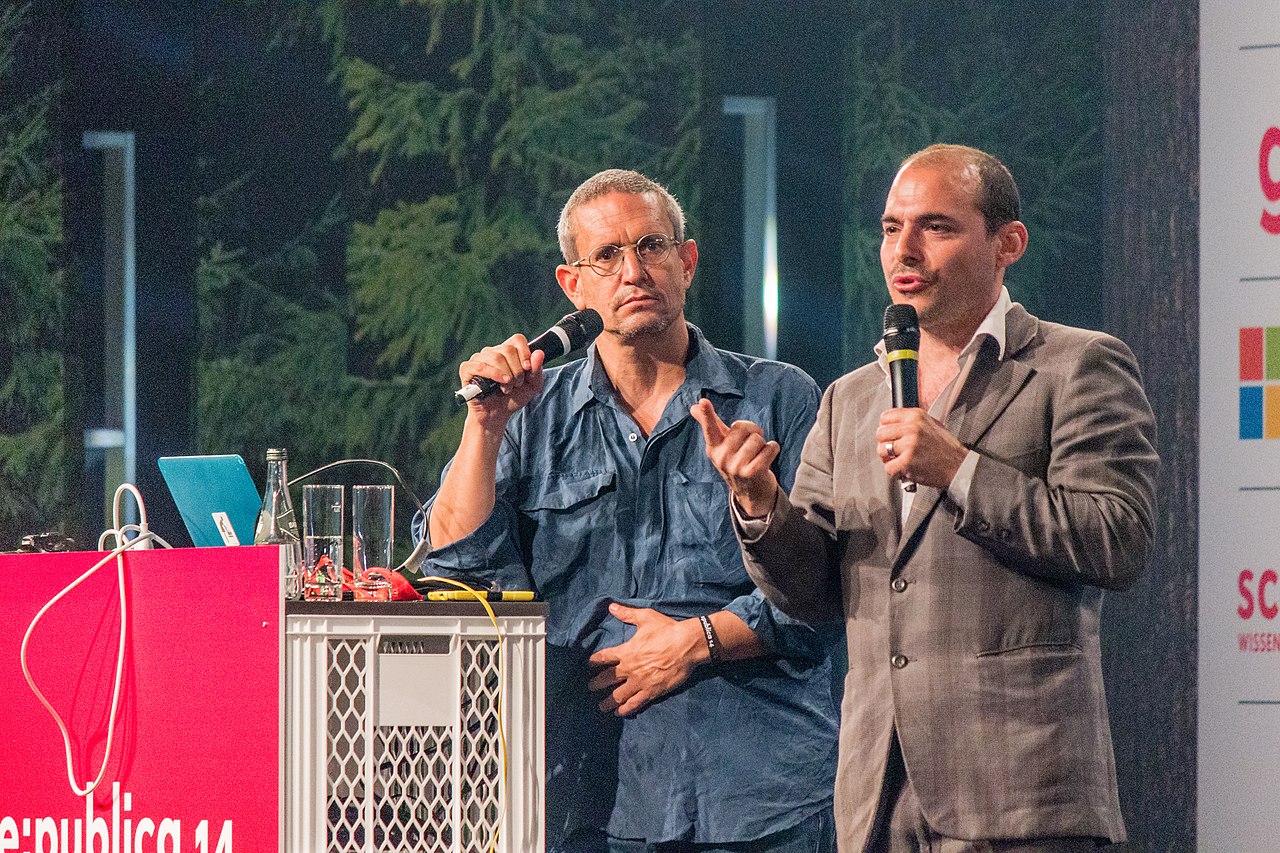
The Yes Men, led by Jacques Servin and Igor Vamos, are a group of culture-jamming artist-activists who have been making waves in the world of social activism since the 1990s. Through their use of parody and satire, they aim to raise awareness about problematic social and political issues, such as corporate accountability and government transparency. The Yes Men's work is characterized by their belief that corporations and governmental organizations often behave in dehumanizing ways toward the public, which can be partly combatted with mocking humor. This approach has led to the creation of several notable projects, including a fake WTO website and a series of films that showcase their unique brand of activism. The Yes Men's message is clear: they believe in the power of satire to bring about change and inspire people to take action.
📢 The Power of Satire in Activism
The use of satire in activism is a powerful tool, as seen in the work of groups like Anonymous and Occupy Wall Street. The Yes Men's approach to satire is unique in that it involves impersonating corporate and government entities, a practice they call 'identity correction.' This approach allows them to highlight the absurdity and hypocrisy of certain policies and practices, and to inspire people to think critically about the world around them. The Yes Men's work has been compared to that of other satirical activists, such as Jon Stewart and Stephen Colbert, who have used satire to critique politics and social issues. However, The Yes Men's approach is distinct in its focus on corporate critique and government accountability.
🌐 The WTO Website Hack: A Turning Point
The Yes Men's fake WTO website, created in 1999, was a turning point in their career as activists. The website, which was designed to look like the real WTO website, featured a series of absurd and humorous articles and press releases that poked fun at the WTO's policies and practices. The website was so convincing that it fooled many people, including journalists and government officials, who took it seriously. The success of the fake WTO website led to The Yes Men being invited to speak at conferences and events, where they continued to use their unique brand of satire to critique the WTO and other corporate and government entities. The Yes Men's work on the WTO website has been cited as an example of the power of culture jamming and hacktivism in challenging dominant narratives and inspiring social change.
🎬 The Yes Men's Filmography: A Comedy of Errors
The Yes Men have produced three films to date: The Yes Men (2003), The Yes Men Fix the World (2009), and The Yes Men Are Revolting (2014). The films showcase the group's unique approach to activism, which involves impersonating corporate and government entities and using satire to critique their policies and practices. The films have been well-received by critics and audiences alike, and have helped to establish The Yes Men as leading figures in the world of social activism. The Yes Men's films have been compared to those of other documentary filmmakers, such as Michael Moore and Errol Morris, who have used documentary filmmaking to critique social and political issues. However, The Yes Men's approach is distinct in its focus on satire and performance activism.
👥 The Art of Identity Correction
The Yes Men's practice of 'identity correction' involves impersonating corporate and government entities in order to critique their policies and practices. This approach allows them to highlight the absurdity and hypocrisy of certain policies and practices, and to inspire people to think critically about the world around them. The Yes Men have used this approach to target a range of entities, including the WTO, Exxon, and Dow Chemical. Their work has been praised for its creativity and effectiveness in challenging dominant narratives and inspiring social change. The Yes Men's approach to identity correction has been compared to that of other activists, such as Anonymous, who have used similar tactics to critique corporate and government entities.
📊 The Vibe Score of The Yes Men's Activism
The Yes Men's activism has a high Vibe Score, indicating a strong cultural energy and resonance. Their work has been widely recognized and praised, and has inspired a new generation of activists to use satire and culture jamming to challenge dominant narratives and inspire social change. The Yes Men's Vibe Score is comparable to that of other influential activists, such as Malala Yousafzai and Greta Thunberg, who have used their platforms to inspire social change and challenge dominant narratives.
🌈 The Future of Satirical Activism
The future of satirical activism is uncertain, but The Yes Men's work suggests that it will continue to play an important role in challenging dominant narratives and inspiring social change. The Yes Men's approach to satire and culture jamming has been widely recognized and praised, and has inspired a new generation of activists to use similar tactics to critique corporate and government entities. As the world becomes increasingly complex and interconnected, the need for satirical activism will only continue to grow. The Yes Men's work has been compared to that of other satirical activists, such as Jon Stewart and Stephen Colbert, who have used satire to critique politics and social issues.
👊 The Controversy Surrounding The Yes Men's Methods
The Yes Men's methods have been the subject of controversy, with some critics arguing that their approach is too confrontational or misleading. However, The Yes Men argue that their use of satire and culture jamming is necessary to challenge dominant narratives and inspire social change. The Yes Men's approach has been compared to that of other activists, such as Anonymous, who have used similar tactics to critique corporate and government entities. The controversy surrounding The Yes Men's methods has been the subject of much debate, with some arguing that their approach is too extreme, while others argue that it is necessary to bring about change.
📚 The Influence of The Yes Men on Modern Activism
The Yes Men's influence on modern activism is significant, and their work has inspired a new generation of activists to use satire and culture jamming to challenge dominant narratives and inspire social change. The Yes Men's approach to activism has been compared to that of other groups, such as Occupy Wall Street and Black Lives Matter, who have used similar tactics to critique corporate and government entities. The Yes Men's work has also been recognized for its creativity and effectiveness, and has been praised by critics and audiences alike.
👀 The Yes Men's Legacy: A New Era of Activism
The Yes Men's legacy is one of inspiring social change and challenging dominant narratives through the use of satire and culture jamming. Their work has been widely recognized and praised, and has inspired a new generation of activists to use similar tactics to critique corporate and government entities. The Yes Men's approach to activism has been compared to that of other influential activists, such as Martin Luther King Jr. and Nelson Mandela, who have used their platforms to inspire social change and challenge dominant narratives.
🌐 The Global Reach of The Yes Men's Message
The Yes Men's message has reached a global audience, and their work has been recognized and praised by people all over the world. The Yes Men's approach to satire and culture jamming has been compared to that of other international activists, such as Wikileaks and Anonymous, who have used similar tactics to critique corporate and government entities. The Yes Men's work has also been recognized for its creativity and effectiveness, and has been praised by critics and audiences alike.
Key Facts
- Year
- 1999
- Origin
- New York City, USA
- Category
- Social Activism
- Type
- Activist Group
Frequently Asked Questions
What is the main goal of The Yes Men's activism?
The main goal of The Yes Men's activism is to raise awareness about problematic social and political issues, particularly in the areas of corporate accountability and government transparency. They use satire and culture jamming to challenge dominant narratives and inspire social change. The Yes Men's approach is unique in its focus on identity correction, which involves impersonating corporate and government entities in order to critique their policies and practices. This approach has been praised for its creativity and effectiveness in challenging dominant narratives and inspiring social change. The Yes Men's work has been compared to that of other satirical activists, such as Jon Stewart and Stephen Colbert, who have used satire to critique politics and social issues.
What is the significance of The Yes Men's fake WTO website?
The Yes Men's fake WTO website, created in 1999, was a turning point in their career as activists. The website, which was designed to look like the real WTO website, featured a series of absurd and humorous articles and press releases that poked fun at the WTO's policies and practices. The website was so convincing that it fooled many people, including journalists and government officials, who took it seriously. The success of the fake WTO website led to The Yes Men being invited to speak at conferences and events, where they continued to use their unique brand of satire to critique the WTO and other corporate and government entities. The Yes Men's work on the WTO website has been cited as an example of the power of culture jamming and hacktivism in challenging dominant narratives and inspiring social change.
What is The Yes Men's approach to identity correction?
The Yes Men's practice of 'identity correction' involves impersonating corporate and government entities in order to critique their policies and practices. This approach allows them to highlight the absurdity and hypocrisy of certain policies and practices, and to inspire people to think critically about the world around them. The Yes Men have used this approach to target a range of entities, including the WTO, Exxon, and Dow Chemical. Their work has been praised for its creativity and effectiveness in challenging dominant narratives and inspiring social change. The Yes Men's approach to identity correction has been compared to that of other activists, such as Anonymous, who have used similar tactics to critique corporate and government entities.
What is the significance of The Yes Men's films?
The Yes Men have produced three films to date: The Yes Men (2003), The Yes Men Fix the World (2009), and The Yes Men Are Revolting (2014). The films showcase the group's unique approach to activism, which involves impersonating corporate and government entities and using satire to critique their policies and practices. The films have been well-received by critics and audiences alike, and have helped to establish The Yes Men as leading figures in the world of social activism. The Yes Men's films have been compared to those of other documentary filmmakers, such as Michael Moore and Errol Morris, who have used documentary filmmaking to critique social and political issues.
What is the impact of The Yes Men's work on social issues?
The Yes Men's work has had a significant impact on social issues, particularly in the areas of corporate accountability and government transparency. Their use of satire and culture jamming has helped to raise awareness about problematic social and political issues, and has inspired people to take action. The Yes Men's work has also been recognized for its creativity and effectiveness, and has been praised by critics and audiences alike. The Yes Men's approach to activism has been compared to that of other groups, such as Greenpeace and Amnesty International, who have used similar tactics to critique corporate and government entities.
What is the controversy surrounding The Yes Men's methods?
The Yes Men's methods have been the subject of controversy, with some critics arguing that their approach is too confrontational or misleading. However, The Yes Men argue that their use of satire and culture jamming is necessary to challenge dominant narratives and inspire social change. The Yes Men's approach has been compared to that of other activists, such as Anonymous, who have used similar tactics to critique corporate and government entities. The controversy surrounding The Yes Men's methods has been the subject of much debate, with some arguing that their approach is too extreme, while others argue that it is necessary to bring about change.
What is The Yes Men's legacy?
The Yes Men's legacy is one of inspiring social change and challenging dominant narratives through the use of satire and culture jamming. Their work has been widely recognized and praised, and has inspired a new generation of activists to use similar tactics to critique corporate and government entities. The Yes Men's approach to activism has been compared to that of other influential activists, such as Martin Luther King Jr. and Nelson Mandela, who have used their platforms to inspire social change and challenge dominant narratives.