
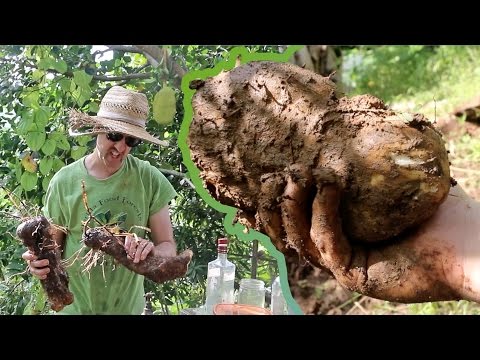
Overview
Yam farming, with a history dating back over 7,000 years, is a crucial part of the agricultural sector in many tropical regions, particularly in West Africa where it is a staple food. The yam, a starchy vegetable, is not only a significant source of nutrition but also plays a vital role in the cultural and economic fabric of these communities. However, yam farming faces numerous challenges, including disease outbreaks, such as the yam mosaic virus, and the physical demands of cultivation, which can lead to soil degradation and decreased yields. Despite these challenges, innovations in farming techniques and technology are paving the way for more sustainable and efficient yam farming practices. For instance, the use of irrigation systems and crop rotation can significantly improve yield and reduce the environmental impact. Furthermore, the global market for yams is expanding, driven by increasing demand for diverse and nutritious food sources, presenting both opportunities and pressures for yam farmers. As the world grapples with food security and sustainability, the future of yam farming will be shaped by its ability to adapt to these changing dynamics.
Key Facts
- Year
- 2023
- Origin
- West Africa
- Category
- Agriculture
- Type
- Crop